Your Child’s Dental Timeline: Milestones from Birth to Age 18
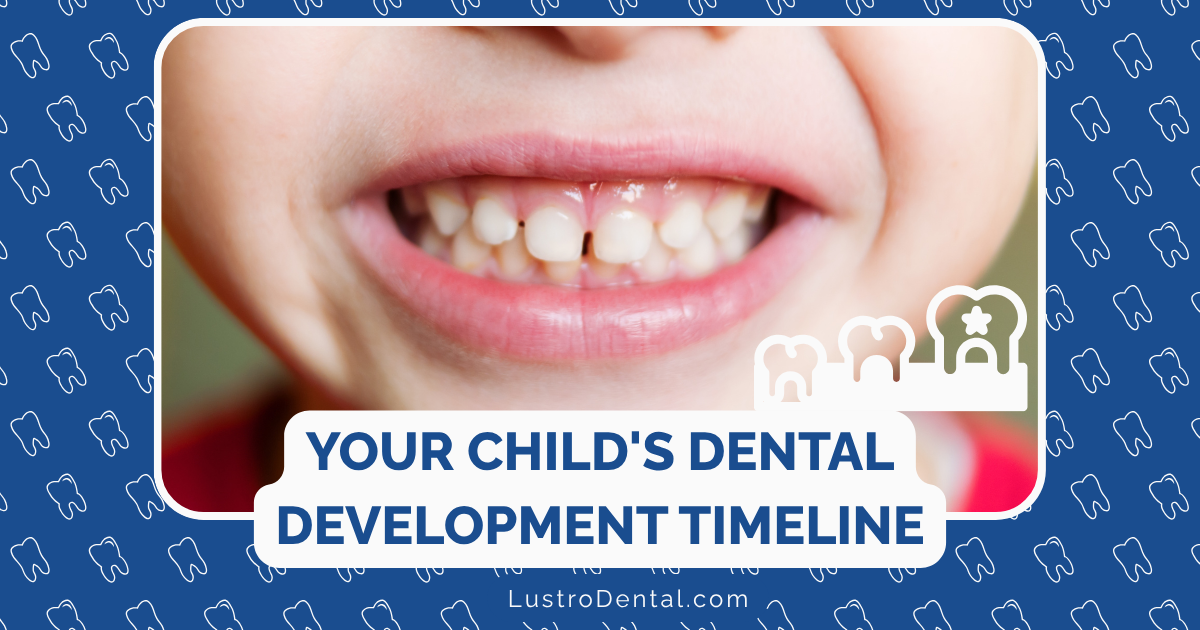
That first toothy grin. The excitement of a visit from the tooth fairy. The pride of graduating from braces to a confident smile. Your child’s dental journey is filled with memorable milestones that mark their growth and development.
As a dental health advocate, I’ve found that parents often have questions about what to expect and when. Is my baby’s tooth eruption on schedule? When should we start thinking about braces? Are those wisdom teeth going to be a problem?
Understanding your child’s dental timeline not only satisfies curiosity but also helps you provide the right care at the right time. Let’s explore the fascinating journey of dental development from birth through adolescence, with practical guidance for each stage along the way.
Prenatal Development: The Journey Begins Before Birth
Your child’s dental story actually begins long before birth. By the sixth week of pregnancy, the primary (baby) tooth buds begin to form. By the third month of pregnancy, the hard tissue that surrounds the teeth (enamel and dentin) starts to develop.
What Parents Can Do:
Maintain good nutrition during pregnancy, especially adequate calcium, phosphorus, and vitamins A, C, and D
Keep up with prenatal care, as overall maternal health affects dental development
Discuss any family history of dental abnormalities with your healthcare provider
Birth to 6 Months: Gummy Smiles and Early Care
Though most babies are born without visible teeth, their 20 primary teeth are already formed in the jawbones, just waiting for the right time to make their appearance.
Key Milestones:
Gum pads are present and fully formed
Occasional drooling and gum exploration may begin around 3-4 months
Some babies may show signs of teething discomfort as early as 3 months
What Parents Can Do:
Clean gums after feedings with a soft, damp cloth
Avoid putting baby to bed with a bottle containing anything other than water
Dr. Sarah Johnson of the American Academy of Pediatric Dentistry explains: “Even before teeth appear, establishing oral hygiene routines sets the stage for good dental health. Wiping gums helps remove bacteria and gets your baby accustomed to having their mouth cleaned.”
6 Months to 1 Year: First Teeth Arrive
Most babies get their first tooth between 4 and 7 months, though this can vary widely. Some babies are even born with teeth (natal teeth), while others might not see their first tooth until after their first birthday.
Key Milestones:
Lower central incisors (bottom front teeth) typically emerge first (6-10 months)
Upper central incisors (top front teeth) usually follow (8-12 months)
Upper lateral incisors (teeth beside the front teeth) may appear (9-13 months)
Lower lateral incisors often emerge (10-16 months)
What Parents Can Do:
Begin brushing teeth as soon as they appear with a rice-grain sized smear of fluoride toothpaste
Schedule the first dental visit by the first birthday or within 6 months after the first tooth erupts
Provide appropriate teething relief with refrigerated (not frozen) teething rings or clean, damp washcloths
Begin transitioning from bottle to cup around 12 months
1 to 3 Years: Completing the Baby Smile
The toddler years bring the remainder of the primary teeth, completing your child’s first full set of teeth.
Key Milestones:
First molars typically emerge (13-19 months)
Canines (pointed teeth) usually appear (16-23 months)
Second molars complete the set of 20 primary teeth (23-33 months)
Most children have all their primary teeth by age 3
What Parents Can Do:
Establish a regular routine of brushing twice daily
Begin teaching your child to spit after brushing (though they may not master this skill until age 3)
Continue regular dental visits every 6 months
Limit sugary drinks and snacks, avoiding juice in sippy cups that allow frequent sipping
Begin phasing out pacifiers and discouraging thumb-sucking, ideally by age 2-3
According to the American Dental Association, “Primary teeth are critical for chewing, speaking, and appearance. They also hold space for permanent teeth and guide them into position. Decay or early loss of baby teeth can lead to crowding problems later.”
3 to 6 Years: Preparing for the Big Change
During these preschool and early elementary years, your child’s jaws and facial bones grow, creating spaces between the baby teeth. This spacing is normal and necessary to make room for the larger permanent teeth that will eventually replace them.
Key Milestones:
Jaw and facial growth creates spaces between teeth
Root resorption begins (the process where baby tooth roots dissolve to make way for permanent teeth)
Dental arch expands to accommodate future permanent teeth
Some children may show signs of their first loose tooth by age 5
What Parents Can Do:
Help your child brush thoroughly twice daily and begin flossing when teeth touch
Consider fluoride treatments during dental visits if recommended
Discuss sealants for deep grooves in molars
Establish healthy eating patterns with limited sugary snacks and drinks
Ensure your child wears a mouthguard during sports activities
Watch for prolonged thumb-sucking or pacifier use that might affect tooth alignment
6 to 12 Years: The Mixed Dentition Phase
This exciting phase is marked by the gradual replacement of baby teeth with permanent teeth, along with the emergence of additional molars that don’t replace any primary teeth.
Key Milestones:
First permanent molars (6-year molars) emerge behind the primary teeth, no replacement (6-7 years)
Lower central incisors typically fall out first (6-7 years)
Upper central incisors usually follow (7-8 years)
Lateral incisors are replaced (7-9 years)
First premolars replace primary first molars (9-11 years)
Second premolars replace primary second molars (10-12 years)
Permanent canines emerge (9-12 years)
Second permanent molars (12-year molars) appear (11-13 years)
Dr. Michael Chen, orthodontist at Children’s Dental Specialists, notes: “The mixed dentition phase is an ideal time for orthodontic screening. We can identify potential problems early and sometimes intervene in ways that reduce the need for extensive treatment later.”
12 to 18 Years: Completing the Adult Smile
The teenage years bring the final stages of dental development, with the last permanent teeth emerging and potential orthodontic treatment to perfect alignment.
Key Milestones:
All permanent teeth except wisdom teeth are typically in place by age 13
Jaw growth continues, which may affect tooth alignment
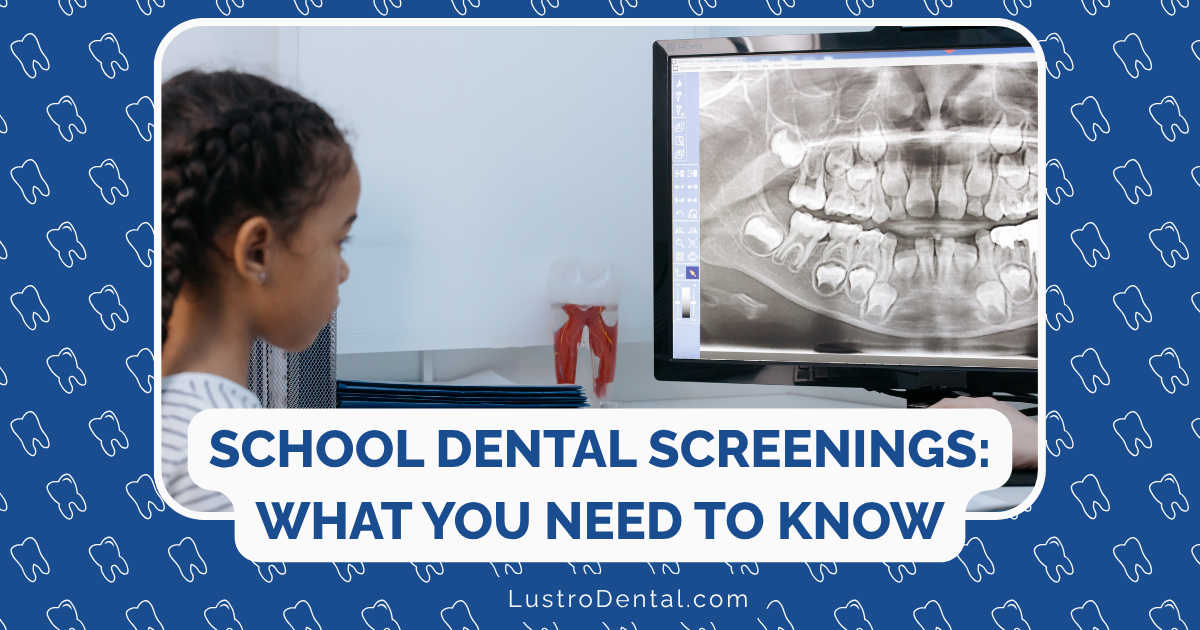
Third molars (wisdom teeth) begin developing, visible on X-rays
It’s important to remember that dental development timing varies widely among children. Genetic factors, overall health, nutrition, and even gender can influence when teeth appear. Girls often get their teeth earlier than boys, and there’s typically a strong family pattern in tooth eruption timing.
Dr. Lisa Williams of Pediatric Dental Associates reassures parents: “A difference of a few months from the average timeline is rarely cause for concern. What’s more important is the sequence of eruption and the overall development of the child.”
Signs That Warrant Professional Attention
While variation is normal, certain signs should prompt a dental consultation:
No teeth by 18 months of age
Significant asymmetry in eruption (teeth on one side appearing much earlier than the other)
Extreme discomfort during teething
Baby teeth that appear discolored, pitted, or malformed
Significant crowding or misalignment of permanent teeth
Jaw growth that seems disproportionate
The Role of Orthodontics in Development
Many children will need some form of orthodontic treatment during their development. The American Association of Orthodontists recommends an initial orthodontic evaluation by age 7, when enough permanent teeth have emerged to identify potential problems.
Early Intervention (Ages 7-10):
Expansion to create space for crowded teeth
Guidance of jaw growth to address bite issues
Space maintenance when baby teeth are lost prematurely
Your child’s dental development is about more than just teeth appearing and falling out on schedule. It’s intimately connected to:
Speech Development: Proper tooth positioning and jaw growth are crucial for clear speech. Delayed tooth eruption or alignment issues can sometimes affect pronunciation.
Nutrition and Growth: Healthy teeth allow proper chewing, which is essential for nutrition and overall growth. Dental pain or missing teeth can impact eating habits and nutritional intake.
Self-Esteem and Social Development: As children grow, their smile becomes an important part of their self-image and social interactions. Supporting healthy dental development contributes to confidence and positive social experiences.
Overall Health: Research continues to show connections between oral health and systemic health. Establishing good dental habits early sets the stage for lifelong wellbeing.
Conclusion: Partners in the Journey
Your child’s dental development is a remarkable journey that spans nearly two decades. As a parent, you play a crucial role in guiding this development through proper home care, regular professional visits, and timely interventions when needed.
Remember that while this timeline provides general guidance, each child’s dental development is unique. By staying attentive to your child’s specific needs and working closely with dental professionals, you can help ensure that their smile develops beautifully and healthily throughout childhood and into adulthood.
What dental milestones has your child reached recently? Share your experiences or questions in the comments below!