Green Dental Practices: What Makes a Dental Office Environmentally Friendly
When you think about industries with significant environmental impacts, dentistry might not immediately come to mind. However, the average dental practice generates substantial waste, consumes considerable energy and water, and uses various chemicals and materials that can impact our planet.
The good news? A growing movement called “green dentistry” is transforming how dental care is delivered—reducing environmental impacts while often improving patient experiences and practice efficiency.
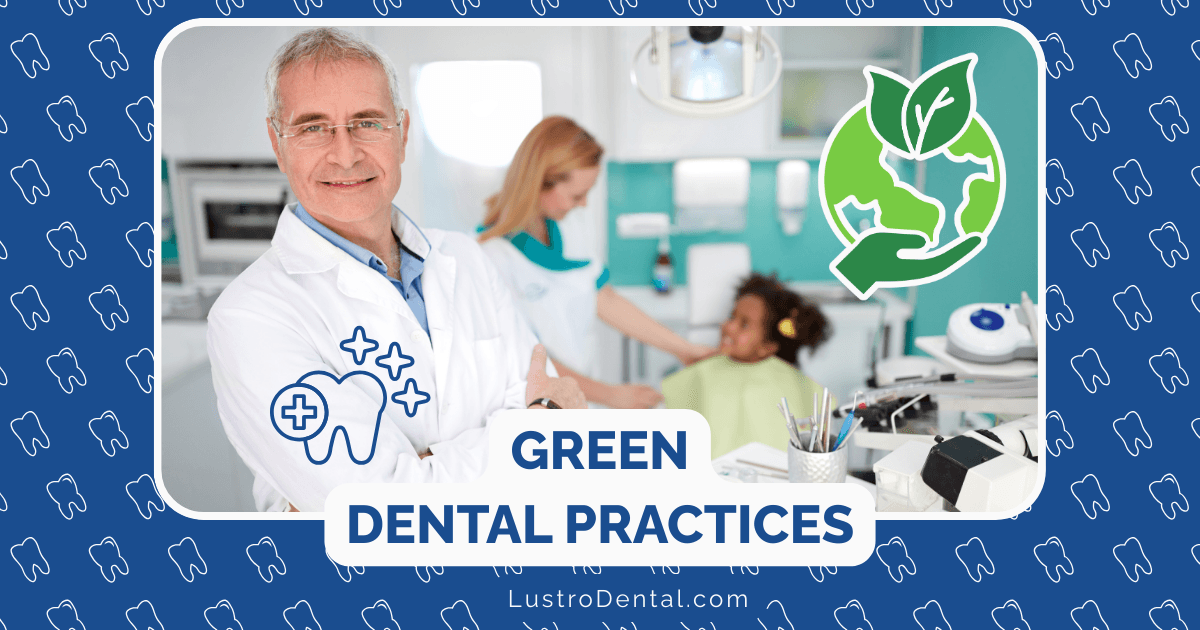
According to the Eco-Dentistry Association, green dentistry is defined as “a high-tech approach that reduces the environmental impact of dental practices and encompasses a service model for dentistry that supports and maintains wellness.” But what exactly makes a dental practice “green,” and why should you care as a patient or practitioner?
Before exploring solutions, it’s important to understand the environmental challenges within conventional dental practices:
Waste Generation
A typical dental office produces significant waste, including:
Disposable items: Single-use plastic barriers, cups, bibs, and personal protective equipment
Hazardous waste: Mercury-containing amalgam, lead foil, chemicals, and biomedical waste
Packaging waste: From dental materials, instruments, and supplies
Research from the American Dental Association indicates that a single dental practice can generate hundreds of pounds of waste annually, much of which ends up in landfills or requires specialized disposal.
Resource Consumption
Dental practices are resource-intensive operations:
The shift to digital technologies represents one of the most significant advancements in green dentistry:
Digital Imaging
Digital radiography: Eliminates chemical processing and reduces radiation exposure by up to 80%
Intraoral cameras: Enhances diagnostic capabilities without additional resource use
3D scanning: Replaces physical impressions, reducing material waste
Dr. Sarah Chen, a sustainable dentistry advocate, notes: “Digital X-rays not only eliminate the chemicals and lead foil associated with traditional radiography but also provide superior diagnostic images with less radiation exposure—a win for both the environment and patient safety.”
Digital appointment systems: Reduces paper reminder cards and schedules
Online forms: Allows patients to complete paperwork electronically
Research from the Taiwan Journal of Dental Sciences shows that implementing electronic records can reduce paper usage by up to 90% in a dental practice.
2. Waste Reduction and Management
Effective waste management is central to green dentistry:
Amalgam Management
Amalgam separators: Capture mercury-containing waste before it enters water systems
Proper disposal protocols: Ensures hazardous materials are handled safely
The ADA recommends amalgam separators that can capture 95% or more of amalgam waste to prevent environmental contamination.
Recycling Programs
Comprehensive recycling: For paper, plastic, metal, and glass
Specialized recycling: For items like lead foil from X-ray packets
Instrument recycling: Repurposing or properly disposing of old instruments
Dental practices can dramatically reduce water consumption through:
Efficient Equipment
Dry vacuum systems: Operate without water, saving thousands of gallons annually
Water-efficient sterilizers: Use significantly less water than conventional models
Low-flow faucets: Reduce water usage in sinks throughout the office
Operational Practices
Water-saving protocols: Turn off water when not actively in use
Regular maintenance: Promptly repair leaks and optimize equipment
Water recycling systems: Capture and filter water for reuse where appropriate
Dr. James Wilson of Dr. Best Price Dentistry notes: “Advanced dental units can reduce water usage by up to 80% compared to traditional systems, saving thousands of gallons annually while maintaining excellent clinical outcomes.”
5. Sustainable Materials and Products
The materials used in dental procedures and office operations significantly impact environmental footprint:
Biocompatible Materials
BPA-free composites: Safer alternatives to traditional materials
Ceramic and zirconia options: Durable alternatives to metal restorations
Biodegradable products: From dental floss to patient cups
Eco-Friendly Office Supplies
Recycled paper products: For necessary paper usage
Non-toxic cleaning supplies: Safer for staff, patients, and the environment
Reusable or biodegradable kitchen supplies: For staff break rooms
Sustainable Procurement
Bulk ordering: Reduces packaging waste and transportation emissions
Local suppliers: Minimizes shipping distances and supports local economies
Environmentally certified products: Look for recognized eco-certifications
6. Teledentistry and Efficient Scheduling
How patients interact with the practice also impacts environmental footprint:
Virtual Consultations
Teledentistry: Reduces unnecessary travel for simple consultations
Digital communication: Allows for efficient follow-ups without in-person visits
Clustered appointments: Scheduling similar procedures together reduces equipment sterilization and setup waste
Efficient patient flow: Minimizes wait times and resource use
Appropriate appointment intervals: Ensures adequate time without wasted resources
A study by the European Federation of Periodontology found that patient travel accounts for 64.5% of emissions associated with dental services, making teledentistry a significant opportunity for environmental impact reduction.
Staff knowledge: Team members who can explain eco-friendly procedures
Dr. Lisa Chen of The Smile Centre suggests: “Don’t hesitate to ask your dental provider about their environmental practices. A truly green practice will be proud to share their initiatives and how they’re working to reduce their environmental footprint.”
The Future of Green Dentistry
The field of sustainable dentistry continues to evolve:
Emerging Technologies
Biodegradable dental materials: Research into fully biodegradable alternatives
AI-optimized resource usage: Artificial intelligence that minimizes waste and maximizes efficiency
Advanced water recycling systems: Closed-loop systems that dramatically reduce water consumption
Industry Shifts
Manufacturer responsibility: Growing pressure on dental suppliers to provide sustainable options
Curriculum changes: Dental schools increasingly incorporating sustainability into education
Policy developments: Potential regulations requiring environmental best practices
Green dentistry represents a significant shift in how dental care is delivered—one that benefits patients, practitioners, and the planet. By reducing waste, conserving resources, and embracing digital technologies, dental practices can provide excellent care while minimizing environmental impact.
As Dr. Michael Roberts of the American Association of Dental Office Managers puts it: “Sustainable dentistry isn’t just about being environmentally responsible—it’s about providing better care through more efficient systems, safer materials, and forward-thinking approaches. It’s dentistry for the future.”
Whether you’re a dental professional looking to make your practice more sustainable or a patient seeking environmentally responsible care, understanding the principles and practices of green dentistry is an important step toward healthier smiles and a healthier planet.
What sustainable practices have you observed in your dental office? Share your experiences in the comments below.