🦷 General Care
✨ Treatments
👶 Family Care
💚 Wellness
💡 Resources

🦷 General Care
✨ Treatments
👶 Family Care
💚 Wellness
💡 Resources

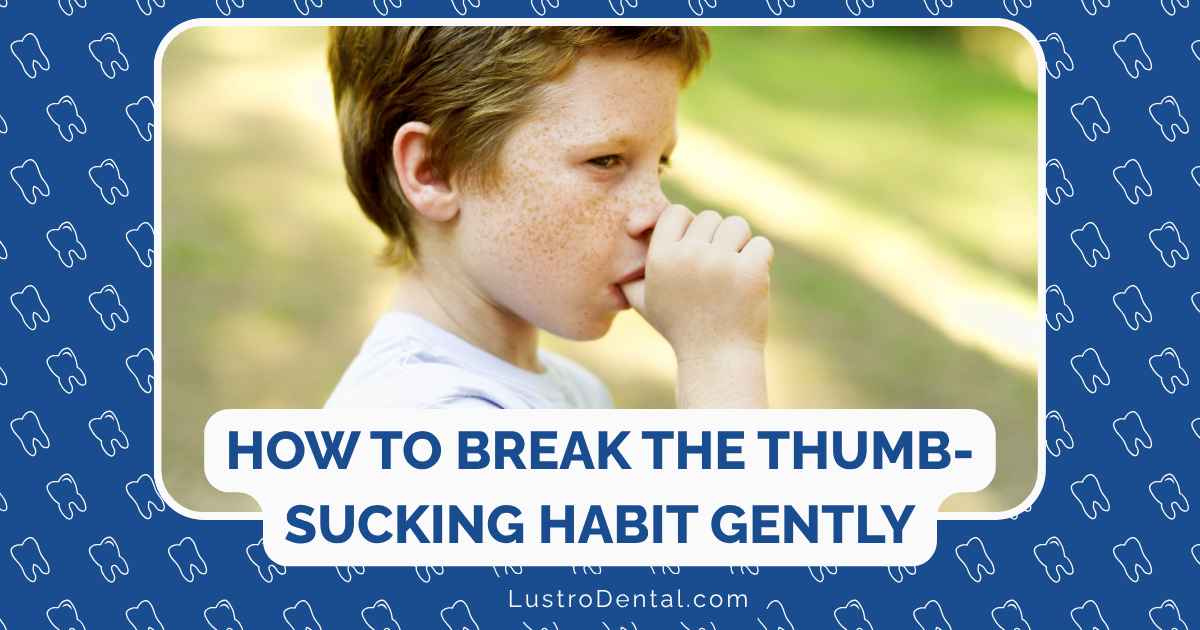
Thumb sucking is one of the most natural self-soothing behaviors in early childhood. It begins before birth—ultrasounds often capture fetuses sucking their thumbs in the womb—and continues as a source of comfort and security for many young children. But as children grow older, parents often wonder how to help them move beyond this habit without creating stress or emotional distress.
If you’re concerned about your child’s thumb sucking, you’re not alone. Research shows that approximately 90% of newborns demonstrate some form of hand sucking within two hours after birth, and many continue this behavior well into toddlerhood or beyond. While most children naturally outgrow thumb sucking between ages 2 and 4, some need extra support to break the habit, especially if it persists after age 5 when permanent teeth begin to emerge.
This comprehensive guide offers gentle, trauma-free approaches to help your child move beyond thumb sucking while preserving their emotional well-being and your parent-child relationship.
Before discussing cessation strategies, it’s important to understand why children suck their thumbs:
Thumb sucking begins as a natural reflex linked to the sucking instinct that helps infants feed. It quickly becomes associated with comfort, security, and self-regulation.
Dr. Sarah Johnson, child psychologist, explains: “Thumb sucking is one of the earliest ways children learn to manage their emotions independently. It’s a powerful self-soothing tool that helps them feel safe and calm during times of stress, fatigue, boredom, or anxiety.”
For many children, thumb sucking serves important developmental functions:
Over time, what begins as an intentional comfort behavior can become an unconscious habit. By ages 3-4, many children suck their thumbs automatically without realizing they’re doing it, particularly during passive activities like watching television or when tired.
Understanding this progression from conscious self-soothing to unconscious habit is key to addressing thumb sucking compassionately and effectively.
The American Academy of Pediatrics and most dental professionals agree that intervention should be considered in these circumstances:
Dr. Michael Chen of Petite Smiles Dentistry notes: “The timing of intervention matters. Ideally, we want to help children stop thumb sucking before permanent teeth fully erupt, but we also need to ensure they’re developmentally ready to learn alternative coping strategies.”
The approach: Have calm, non-judgmental conversations about thumb sucking that help your child understand the “why” behind stopping.
How to implement:
Why it works: According to research published in Psychology Today, children respond better when they understand the reasons behind changing a behavior and feel included in the decision-making process.
The approach: Help your child become aware of when and why they suck their thumb, then develop alternative responses to those triggers.
How to implement:
Why it works: Awareness is the first step in changing any habit. By identifying patterns, you and your child can develop targeted strategies rather than trying to tackle the entire habit at once.
The approach: Create a reward system that celebrates success rather than punishing setbacks.
How to implement:
Why it works: The Mayo Clinic recommends positive reinforcement as a first-line approach because it builds confidence and motivation without creating shame or anxiety around the habit.
The approach: Introduce substitute items that provide similar sensory comfort.
How to implement:
Why it works: This approach acknowledges your child’s need for comfort while redirecting it to a more age-appropriate object.
The approach: Use non-punitive physical cues that bring awareness to the habit without shame or discomfort.
How to implement:
Why it works: Physical reminders interrupt the automatic nature of habitual thumb sucking by bringing the behavior into conscious awareness.
The approach: Modify your child’s environment to reduce unconscious thumb sucking.
How to implement:
Why it works: Environmental modifications make it easier to avoid the habit by creating situations where thumb sucking is less likely to occur naturally.
The approach: Harness the power of stories and role models to motivate your child.
How to implement:
Recommended books:
Why it works: Stories help children process change emotionally and provide models for success that feel achievable.
The approach: Enlist others to provide encouragement and reinforcement.
How to implement:
Why it works: Consistent, positive messaging from multiple trusted adults reinforces the importance of the goal while providing a network of support.
The approach: Create visual representations of progress that motivate continued effort.
How to implement:
Why it works: Visual tracking makes abstract progress concrete and provides regular opportunities to celebrate success.
The approach: Teach specific alternative behaviors that serve the same psychological function.
How to implement:
Why it works: Replacement behaviors acknowledge the underlying need while channeling it in more age-appropriate directions.
For this age group, gentle awareness and positive reinforcement are most appropriate:
Dr. Emily Rodriguez, pediatric specialist, advises: “For toddlers, the goal should be gradual reduction rather than immediate cessation. Their emotional development still benefits from self-soothing behaviors, so a gentle, patient approach is essential.”
As children develop more self-awareness and social consciousness:
For older children who continue thumb sucking:
Certain approaches can create psychological distress or damage the parent-child relationship:
Dr. Lisa Patel, child psychologist, explains: “Approaches that induce shame, fear, or punishment may appear to work in the short term but often create emotional distress and can lead to other problematic behaviors. They may also damage the trust between parent and child.”
While most children can stop thumb sucking with gentle home-based approaches, consider professional guidance if:
Professional options include:
A 2025 study published in BMC Oral Health compared different professional interventions for thumb sucking. While traditional palatal cribs showed a higher cessation rate (54.5%) compared to electronic habit reminders (27.3%), both approaches helped some children break the habit. The study emphasized that professional interventions generally have higher success rates than home methods alone for persistent cases.
Five-year-old Emily had been a thumb sucker since infancy. Her parents implemented a sticker chart where she earned a sticker for each meal without thumb sucking, and after collecting 10 stickers, she could choose a small toy. They gradually extended the challenge to include car rides, then TV time. Within two months, Emily was thumb-free except during sleep, and by six months, she had stopped completely.
Seven-year-old Michael’s thumb sucking intensified during his parents’ divorce. Rather than focusing solely on stopping the behavior, his mother recognized it as a stress response. She introduced him to “worry stones” (smooth stones to rub when anxious) and implemented a special bedtime routine with guided relaxation. As Michael developed these alternative coping strategies, his thumb sucking naturally decreased.
Eight-year-old Sophia was motivated by a conversation with her dentist, who showed her models of how thumb sucking might affect her permanent teeth. Sophia decided she wanted to stop and worked with her parents to create a “thumb-free journey map” with milestones and rewards. She wore a special bracelet as a reminder during the day and a soft glove at night. Within three months, she had broken the habit.
Breaking the thumb-sucking habit is a process that requires time, consistency, and a positive approach. By focusing on gentle, supportive strategies rather than punitive measures, you can help your child develop new coping skills while preserving their emotional well-being and your relationship with them.
Remember that setbacks are normal and part of the learning process. Celebrate progress, however small, and maintain a matter-of-fact attitude about occasional returns to thumb sucking. With patience and the right approach, most children can successfully move beyond this habit when developmentally ready.
The goal isn’t just to stop thumb sucking—it’s to help your child develop healthy self-regulation skills that will serve them throughout life. By approaching this transition with compassion and understanding, you’re teaching valuable lessons about how to change habits positively and effectively.
Has your family successfully navigated the journey away from thumb sucking? Share your gentle, effective strategies in the comments below!
Nighttime-only thumb sucking tends to be less problematic than daytime sucking because it typically involves less total time. However, if it continues for years, it can still affect dental development. Gentle approaches like a soft glove or special stuffed animal that positions arms away from the face can help.
Bitter substances can create negative associations and feelings of betrayal if used without a child’s knowledge or consent. If considering this approach, it should only be used with older children who understand and agree to try it, and never as a punishment or surprise.
Sleep thumb sucking is the most difficult to eliminate because it’s unconscious. Gentle physical barriers like a soft glove or thumb sleeve can help break the habit without disturbing sleep. Be patient—this is typically the last aspect of thumb sucking to resolve.
The timeline varies significantly depending on the child’s age, motivation, and the strength of the habit. Some children stop within a few weeks of consistent intervention, while others may take several months. The process is usually gradual, with daytime sucking resolving before nighttime sucking.
If your child shows signs of significant anxiety about stopping, it may be worth pausing structured efforts and consulting with a pediatrician or child psychologist. Sometimes underlying anxiety issues need to be addressed first, or a more gradual approach may be needed.