🦷 General Care
✨ Treatments
👶 Family Care
💚 Wellness
💡 Resources

🦷 General Care
✨ Treatments
👶 Family Care
💚 Wellness
💡 Resources

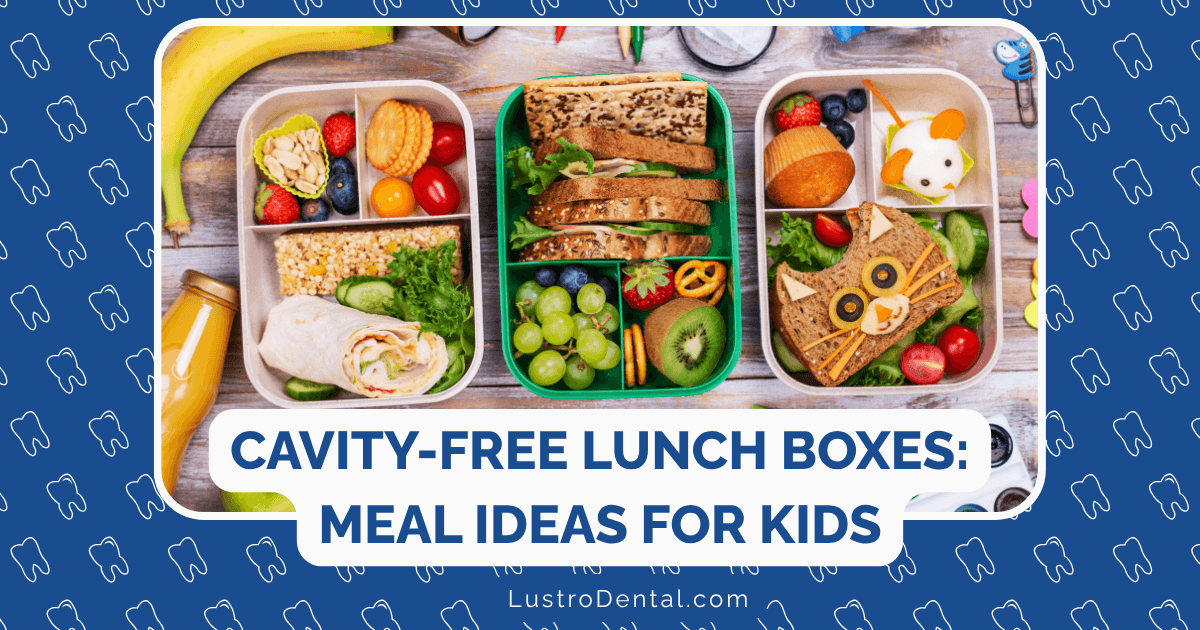
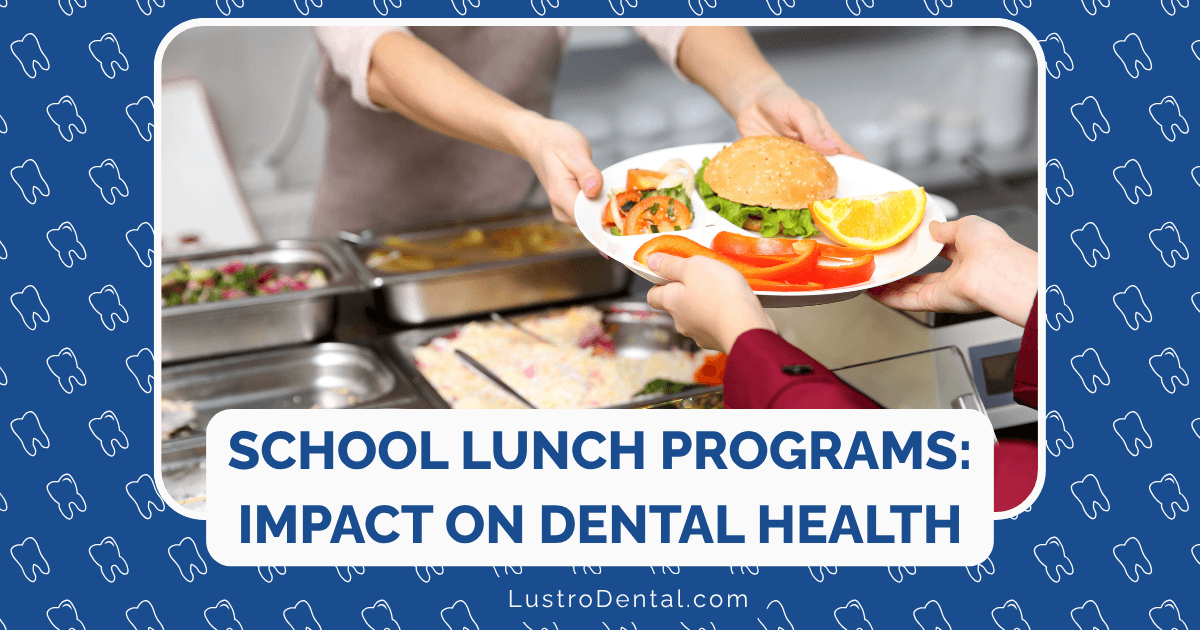
Packing your child’s lunch box is about more than just filling their belly until dinner—it’s an opportunity to nourish their growing body and support their dental health. While we often think about brushing and flossing as the cornerstones of cavity prevention, the foods our children eat throughout the day play an equally important role in keeping their smiles bright and healthy.
The challenge? Creating lunches that are not only nutritious and tooth-friendly but also appealing enough that they won’t end up traded away or tossed in the trash. As a dental health advocate, I’ve compiled this comprehensive guide to help you pack cavity-free lunch boxes that protect your child’s teeth while still earning an enthusiastic thumbs-up from even the pickiest eaters.
Before diving into specific lunch ideas, let’s understand how food choices impact your child’s oral health:
Certain foods actively protect teeth by:
Other foods increase cavity risk by:
Dr. Sarah Johnson, pediatric dentist at Children’s Dental Health, explains: “What makes school lunches particularly important is that children typically don’t have the opportunity to brush after eating. This means food choices matter even more during school hours than at home.”
A cavity-fighting lunch box should include selections from these key food groups:
Protein-rich foods provide phosphorus and other minerals that help rebuild and protect tooth enamel.
Top choices:
Why they work: “Protein foods, especially dairy products, help neutralize acids in the mouth,” explains Dr. Michael Chen of Denver Youth Dentistry. “Cheese is particularly effective because it triggers a rapid increase in pH levels in the mouth, creating an environment where cavity-causing bacteria struggle to survive.”
These natural tooth cleaners help scrub away plaque while providing essential vitamins and minerals.
Top choices:
Why they work: “Crunchy fruits and vegetables work like natural toothbrushes,” notes Dr. Emily Rodriguez, pediatric dental specialist. “Their firm, fibrous texture helps scrape away plaque, and their high water content stimulates saliva production, which washes away food particles and buffers acids.”
Calcium is essential for strong teeth and bones and helps remineralize enamel.
Top choices:
Why they work: According to research from UT Health San Antonio, calcium-rich foods provide the building blocks needed to strengthen enamel and repair microscopic damage before it becomes a cavity.
Not all carbs are created equal when it comes to dental health.
Top choices:
Why they work: “Complex carbohydrates don’t break down into simple sugars as quickly as refined carbs,” explains nutritionist Dr. Lisa Patel. “This means they’re less likely to feed the harmful bacteria that cause cavities. Plus, whole grains require more chewing, which stimulates saliva production.”
What your child drinks with lunch matters as much as what they eat.
Top choices:
Why they work: “Water is nature’s perfect beverage for dental health,” says Dr. Johnson. “It helps rinse away food particles without leaving behind sugar or acid. For children who don’t like plain water, try adding a few fresh berries or cucumber slices for natural flavor without sugar.”
Now let’s put these building blocks together into complete lunches that balance dental health with kid appeal:
What to pack:
Dental benefits: Protein from turkey, calcium from cheese, cleaning action from vegetables and apple, no sticky carbs to get trapped between teeth.
What to pack:
Dental benefits: High protein content, calcium boost from yogurt and milk, berries provide vitamins for gum health with less sugar than most fruits.
What to pack:
Dental benefits: The variety encourages sampling of all foods rather than filling up on just carbs; cheese helps neutralize acids from the fruit.
What to pack:
Dental benefits: Warm, comforting foods that provide protein, fiber, and nutrients without sticking to teeth.
What to pack:
Dental benefits: Complete protein source, calcium from cheese, vitamin C from kiwi for gum health.
What to pack:
Dental benefits: Protein from hummus, calcium from yogurt, crunchy vegetables for natural cleaning.
What to pack:
Dental benefits: Eliminates sticky bread that can trap sugars against teeth; provides protein and calcium for remineralization.
What to pack:
Dental benefits: Beans provide protein and minerals, jicama offers crunchy cleaning action, limited acidic components.
What to pack:
Dental benefits: Fun presentation encourages eating protein and vegetables first; interactive format makes healthy eating exciting.
What to pack:
Dental benefits: High protein content, calcium from cheese, crunchy vegetables for natural cleaning action.
What to pack:
Dental benefits: Omega-3 fatty acids in tuna support gum health, celery provides natural cleaning action.
What to pack:
Dental benefits: Balanced meal with protein, smart carbs, and vegetables; nothing sticky to adhere to teeth.
What to pack:
Dental benefits: Calcium-rich main dish, protein for satiety, crunchy components for cleaning action.
What to pack:
Dental benefits: Calcium from cheese, crunchy vegetables, healthy fats from avocado.
What to pack:
Dental benefits: Protein-packed main dish, calcium boost from cheese, apple for natural cleaning.
While focusing on tooth-friendly options, it’s equally important to know which foods can increase cavity risk when included regularly in lunch boxes:
Dr. James Wilson of Clearwater Dentistry explains: “The occasional treat won’t cause immediate harm, but daily exposure to these foods creates an environment where cavity-causing bacteria thrive. If you do include a treat, pair it with water and tooth-friendly foods that can help mitigate the damage.”
If your child is accustomed to more processed lunch options, transitioning to tooth-friendly alternatives might require some strategy:
Start by making one change at a time:
Even the most tooth-friendly lunch can’t completely protect against cavities without these additional strategies:
Creating cavity-free lunch boxes isn’t about perfection—it’s about making informed choices that support your child’s dental health while still providing enjoyable, satisfying meals. By incorporating more tooth-friendly foods and limiting those that promote decay, you’re not just preventing cavities; you’re establishing healthy eating patterns that can last a lifetime.
Remember that every small change matters. Even swapping out one high-risk item for a tooth-friendly alternative can make a difference in your child’s oral health. Start with the changes that seem most manageable for your family, and gradually build from there.
Your efforts to pack tooth-friendly lunches today are an investment in your child’s smile—and their overall health—for years to come.
What tooth-friendly lunches have been hits with your children? Share your success stories in the comments below!
Great nut-free protein options include seeds (if allowed), cheese, yogurt, hard-boiled eggs, tuna, chicken, turkey, and beans/lentils. Sunflower seed butter can often be substituted for peanut butter in many recipes.
Toss apple slices in a small amount of lemon juice, or soak them briefly in a mixture of water and a few tablespoons of lemon juice. Some varieties, like Gala and Honeycrisp, naturally brown less quickly than others.
Soft fruits like berries and melon, yogurt, cheese, soft-cooked vegetables, pasta, and egg dishes are all braces-friendly. Avoid hard, crunchy foods that could damage brackets, and cut fruits like apples into small, bite-sized pieces.
Dark chocolate (70% cacao or higher) is one of the better sweet options, as it dissolves quickly and contains less sugar than milk chocolate. Plain yogurt with a drizzle of honey and fresh fruit is another tooth-friendlier dessert option.
Try infusing water with fresh fruit (berries, cucumber, apple slices) for natural flavor without added sugar. Gradually dilute juice with increasing amounts of water to help transition taste preferences. Consider a special water bottle with their favorite character or design to make water drinking more fun.