🦷 General Care
✨ Treatments
👶 Family Care
💚 Wellness
💡 Resources

🦷 General Care
✨ Treatments
👶 Family Care
💚 Wellness
💡 Resources

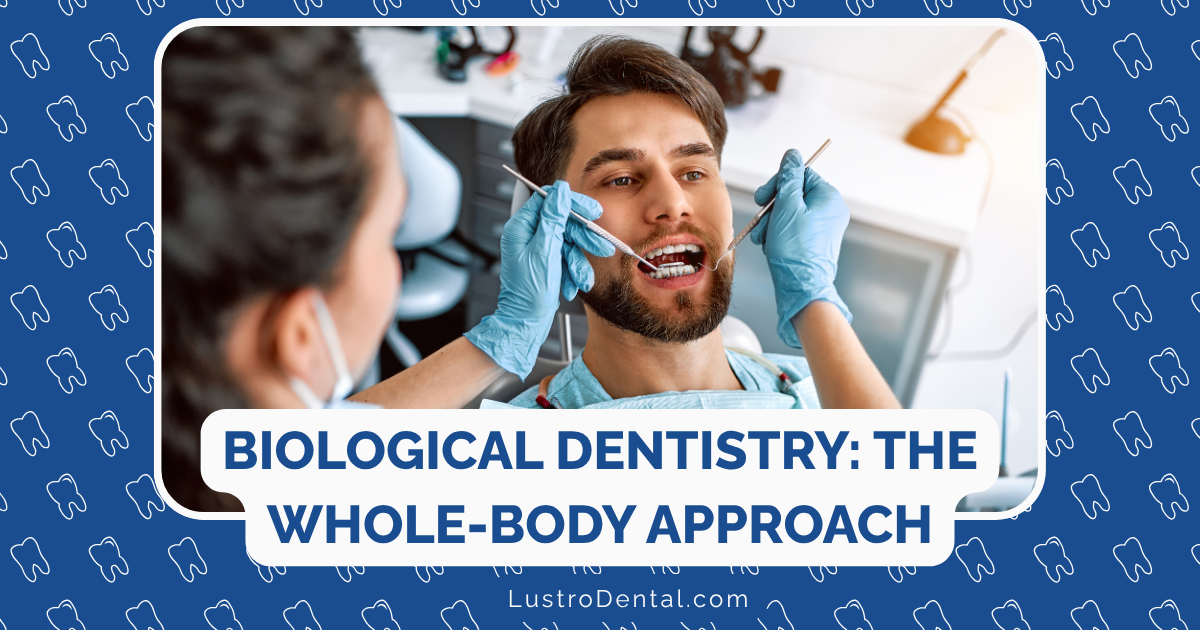
When most people think about going to the dentist, they envision a fairly standard experience: regular cleanings, fillings for cavities, perhaps the occasional crown or root canal. This approach, known as conventional dentistry, has been the mainstream model for dental care for decades. However, a growing movement called biological dentistry (also known as holistic or integrative dentistry) offers an alternative perspective on oral healthcare—one that views your teeth and gums not in isolation, but as integral components of your overall health.
But what exactly is biological dentistry? How does it differ from conventional approaches? And what should patients know when considering this alternative approach to dental care? This comprehensive guide explores the philosophy, practices, and key differences between biological and conventional dentistry to help you make informed decisions about your oral health.
At its core, biological dentistry is guided by a fundamental principle: the health of your mouth is inextricably linked to the health of your entire body.
While conventional dentistry primarily focuses on treating dental issues in isolation, biological dentistry emphasizes what practitioners call the “oral-systemic connection”—the understanding that oral health problems can affect and be affected by conditions elsewhere in the body.
Dr. Sarah Johnson, a biological dentist practicing in Boston, explains: “The mouth is not a separate entity from the rest of the body. It’s the beginning of the digestive system, contains a significant portion of our microbiome, and provides direct access to our bloodstream. What happens in the mouth doesn’t stay in the mouth—it can influence our overall health in profound ways.”
This perspective is supported by a growing body of research linking oral health issues, particularly periodontal (gum) disease, to systemic conditions such as heart disease, diabetes, respiratory infections, and even certain cancers.
Rather than merely treating symptoms as they arise, biological dentistry emphasizes:
As noted by Market Common Dentistry, biological dentists “emphasize prevention through regular cleanings, patient education, and early intervention” to maintain optimal oral health.
Biological dentistry prioritizes preserving as much natural tooth structure as possible, adhering to the principle that the best dental material is your own natural tooth. This translates to:
Several specific practices set biological dentistry apart from conventional approaches:
One of the most distinctive aspects of biological dentistry is the emphasis on using materials that are compatible with the human body.
According to Dr. Surinder Arora, “A key philosophy in biological dentistry is the use of biocompatible materials, which are less likely to cause adverse reactions in patients.”
This includes:
For patients with existing mercury amalgam fillings, biological dentists follow specific protocols for their removal to minimize potential mercury exposure during the process.
The Holistic Dental Center NJ notes that they perform “safe mercury removal of amalgam fillings… replacing them with biocompatible materials to ensure safety and health.”
These protocols typically include:
While conventional dentistry embraces fluoride as a primary tool for preventing tooth decay, many biological dentists express concerns about its systemic effects.
Dentakademi Global explains that “instead of fluoride treatments, holistic dentistry promotes alternatives such as herbal toothpaste and xylitol-based products.”
Alternative approaches to decay prevention may include:
Biological dentists often place significant emphasis on how diet and lifestyle affect oral health.
Alma Dental Care notes that “Dr. Serrano offers personalized nutritional guidance to help maintain strong teeth and gums,” highlighting how biological dentists often go beyond traditional dental advice.
This guidance may include:
Many biological dental practices incorporate or recommend complementary approaches to support oral health:
Biological dentists often work as part of a broader healthcare team.
Insight Dental points out that “biological dentists often collaborate with other healthcare providers, such as naturopaths and nutritionists,” reflecting their whole-body approach to oral health.
This collaborative approach may include:
To better understand biological dentistry, it’s helpful to compare it directly with conventional approaches:
Conventional Dentistry:
Biological Dentistry:
Conventional Dentistry:
Biological Dentistry:
Conventional Dentistry:
Biological Dentistry:
Conventional Dentistry:
Biological Dentistry:
As with any approach that diverges from mainstream practice, biological dentistry has its proponents and critics. It’s important to consider both perspectives.
Several aspects of biological dentistry are supported by scientific research:
Critics of biological dentistry raise several valid points:
Dr. Michael Chen, a conventional dentist who incorporates some biological principles, offers a balanced perspective: “There are valuable insights from biological dentistry that can benefit patients, particularly the emphasis on minimally invasive techniques and the recognition of the oral-systemic connection. However, it’s important to maintain a critical eye and ensure that practices are grounded in scientific evidence.”
Determining whether biological dentistry aligns with your needs requires considering several factors:
If you’re considering a biological dentist, here are some questions to help you evaluate their practice:
Lisa, a 42-year-old who switched to a biological dentist after experiencing unexplained health issues, shares her experience:
“After years of conventional dental care, I was surprised by how different my first appointment with a biological dentist was. The initial exam took nearly twice as long as I was used to, with detailed questions about my overall health, diet, and lifestyle. When I needed a filling, the dentist spent time explaining the different material options and why she recommended a specific composite for my situation.
“What I appreciate most is the preventive focus—I’ve learned so much about how nutrition affects my dental health, and for the first time, I feel like I’m addressing the root causes of my dental problems rather than just treating symptoms as they appear. It’s been more expensive, but for me, the personalized approach has been worth it.”
It’s worth noting that the line between biological and conventional dentistry is becoming increasingly blurred as more evidence emerges supporting certain aspects of the biological approach.
Many conventional dentists now:
Similarly, responsible biological dentists:
Dr. Lisa Rodriguez, who describes her practice as “integrative dentistry,” represents this middle ground: “I don’t believe we need to choose between biological principles and evidence-based dentistry. The best approach incorporates the strengths of both—the whole-body perspective and prevention focus of biological dentistry combined with the scientific rigor and proven techniques of conventional care.”
Biological dentistry offers an alternative approach that views oral health as an integral component of overall wellbeing. With its emphasis on biocompatible materials, minimally invasive treatments, and addressing the root causes of dental issues, it represents a distinct philosophy from conventional dentistry.
Whether biological dentistry is right for you depends on your individual health needs, values, and preferences. The most important thing is to be an informed patient—understanding the different approaches available and asking questions to ensure you receive care that aligns with your health goals.
As dental care continues to evolve, the best practices from both biological and conventional approaches will likely continue to inform each other, ultimately leading to more comprehensive, personalized care that supports both oral and overall health.
Have you had experience with biological dentistry? What questions do you have about this approach to dental care? Share your thoughts in the comments below!