🦷 General Care
✨ Treatments
👶 Family Care
💚 Wellness
💡 Resources

🦷 General Care
✨ Treatments
👶 Family Care
💚 Wellness
💡 Resources

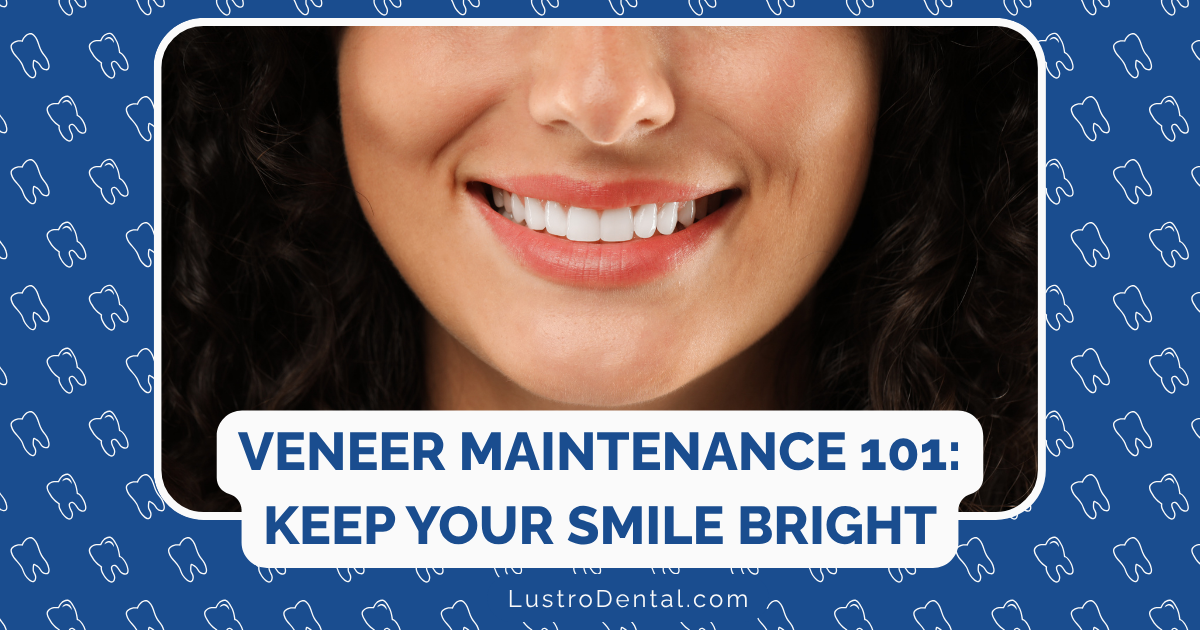
When patients invest in dental veneers, one of the first questions they ask is, “How long will they last?” It’s a valid concern—veneers represent a significant investment in both time and money. The good news is that with proper care and maintenance, you can significantly extend the lifespan of your veneers, protecting your investment and continuing to enjoy that beautiful smile for years to come.
As someone who’s helped countless patients maintain their veneers, I’ve compiled this comprehensive guide to help you get the most out of your dental investment.
Before diving into veneer maintenance tips, it’s important to have realistic expectations about how long they typically last:
Porcelain veneers generally last between 10-15 years with proper care. Some patients have been able to maintain their porcelain veneers for up to 20 years. According to the American Academy of Cosmetic Dentistry, well-maintained porcelain veneers have a 95% success rate after 10 years.
Composite resin veneers typically have a shorter lifespan of 5-7 years. However, they’re more easily repaired than porcelain if damage occurs.
Several factors influence how long your veneers will last:
The foundation of veneer longevity is excellent oral hygiene:
A 2023 study in the Journal of Prosthetic Dentistry found that patients using non-abrasive toothpaste experienced 42% less surface wear on their veneers over a five-year period compared to those using standard toothpaste.
Flossing is crucial for veneer maintenance:
Dr. Amanda Johnson, a cosmetic dentistry specialist, recommends: “When flossing around veneers, slide the floss gently through contact points rather than snapping it down, which can damage the edges of the veneers over time.”
What you consume can significantly impact veneer longevity:
While porcelain veneers are stain-resistant, they’re not completely stain-proof. The bonding material can discolor over time, especially at the margins. Limit consumption of:
When you do indulge, rinse your mouth with water afterward or use a straw to minimize contact with your veneers.
Certain habits can significantly shorten the lifespan of your veneers:
Bruxism (teeth grinding) is one of the leading causes of veneer failure:
According to a 2024 clinical study, patients with bruxism who wore nightguards had a 67% lower rate of veneer complications compared to those who didn’t use protection.
Professional maintenance is essential for veneer longevity:
Dr. Michael Roberts of the American Dental Association notes: “Regular professional maintenance can extend the life of veneers by up to 30%. We can spot and address minor issues before they compromise the integrity of the veneer.”
Knowing what to watch for can help you address potential issues before they lead to veneer failure:
Some sensitivity is normal immediately after placement, but persistent sensitivity could indicate:
Action step: Contact your dentist if sensitivity persists beyond a few weeks or suddenly appears after having veneers for some time.
Small chips or cracks can sometimes be repaired without replacing the entire veneer:
Action step: See your dentist as soon as possible if you notice any damage, as small issues can quickly become larger ones.
A veneer that feels loose requires immediate attention:
Action step: Call your dentist immediately for an emergency appointment.
Receding gums can expose the margins of veneers, affecting both aesthetics and function:
Action step: Report any changes in your gum line to your dentist promptly.
Even with excellent care, veneers will eventually need replacement. Signs it might be time include:
When considering the value of proper veneer maintenance, think about the numbers:
To maximize your veneer investment, create a personalized maintenance plan:
Dental veneers represent a significant investment in your smile and confidence. With proper maintenance, you can maximize their lifespan and protect that investment for years to come. Remember that the small daily actions you take—from choosing the right toothpaste to wearing your nightguard consistently—add up to make a tremendous difference in how long your veneers will serve you.
By following these guidelines, you’re not just maintaining dental work—you’re preserving your smile, confidence, and financial investment for the long term.
Do you have veneers? What maintenance routine has worked best for you? Share your experiences in the comments below!