🦷 General Care
✨ Treatments
👶 Family Care
💚 Wellness
💡 Resources

🦷 General Care
✨ Treatments
👶 Family Care
💚 Wellness
💡 Resources

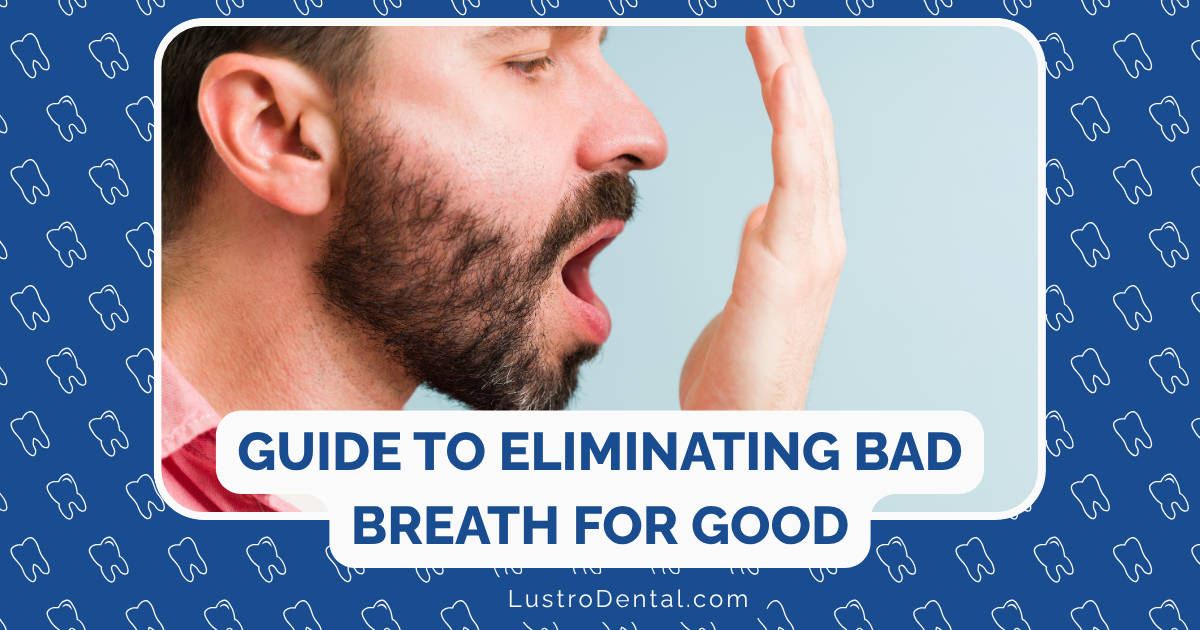
That moment when someone offers you a mint after a conversation. The subtle way people lean back when you’re speaking. The constant worry about whether your breath is fresh during important interactions. If you’ve experienced these situations, you’re not alone—bad breath (halitosis) affects approximately one in four people globally, according to the Cleveland Clinic.
But here’s the good news: bad breath is almost always fixable. This supportive guide offers both quick solutions for immediate freshness and long-term strategies to eliminate halitosis for good—all with an understanding approach that recognizes the emotional impact this common condition can have.
Before diving into solutions, let’s understand what causes that unwanted odor. Bad breath typically stems from one or more of these sources:
Understanding that bad breath is primarily a physical health issue—not a personal failing—is the first step toward addressing it with confidence.
When you need freshness fast, these evidence-based approaches can provide quick relief:
What to do: Drink a full glass of water, swishing it around your mouth before swallowing.
Why it works: Water helps wash away food particles and bacteria while stimulating saliva production. According to Scott Babin DDS, staying hydrated with at least eight glasses of water daily is one of the most effective ways to maintain oral freshness.
What to do: Use a tongue scraper (or the edge of a spoon in a pinch) to gently scrape from the back of your tongue to the front, rinsing between scrapes.
Why it works: The tongue harbors countless bacteria, especially at the back where taste buds create a textured surface for bacteria to hide. Research shows that proper tongue cleaning can reduce breath-causing bacteria by up to 75%.
What to do: Chew sugar-free gum or suck on sugar-free mints containing xylitol.
Why it works: These stimulate saliva production, which naturally cleanses the mouth. Xylitol has the added benefit of inhibiting bacterial growth. According to Mayo Clinic, this simple habit can significantly reduce bad breath between proper cleanings.
What to do: Swish with an alcohol-free antimicrobial mouthwash for 60 seconds.
Why it works: These rinses target the bacteria that cause odor. Alcohol-free formulations are preferred as alcohol can dry the mouth, potentially worsening breath over time.
What to do: In a pinch, chew on natural breath fresheners like fresh parsley, mint leaves, or a small piece of cinnamon stick.
Why it works: These contain natural oils that temporarily mask odors while providing some antimicrobial benefits.
While quick fixes provide temporary relief, these comprehensive approaches address the root causes of bad breath for lasting freshness:
Morning and Evening (5 minutes each):
After Meals (1 minute):
According to Knox Valley Dental, consistent oral hygiene is the foundation of fresh breath, addressing the primary cause of halitosis—bacterial buildup in the mouth.
Proper hydration supports saliva production, your body’s natural defense against bad breath:
Research highlighted by Listerine shows that decreased saliva production during sleep is a primary cause of “morning breath,” making hydration particularly important.
What you eat significantly impacts your breath:
Foods to Limit:
Foods to Embrace:
Dry mouth (xerostomia) is a major contributor to bad breath that requires specific attention:
According to dental experts, professional care plays a crucial role in maintaining fresh breath:
Professional diagnostic tools like the Halimeter can measure volatile sulfur compounds in your breath, helping dentists determine the exact cause and most effective treatment for your specific situation.
That distinctive morning odor has specific causes and solutions:
Why it happens: During sleep, saliva production decreases by up to 90%, creating the perfect environment for odor-causing bacteria to multiply.
Solutions:
Stress can impact your breath in surprising ways:
Why it happens: Stress reduces saliva flow and can change its composition, potentially altering your breath odor.
Solutions:
Different foods require different approaches:
After coffee: Rinse with water, then chew sugar-free gum with xylitol.
After garlic or onions: These foods enter your bloodstream and are expelled through your lungs, so breath mints only partially help. Try eating fresh parsley or drinking green tea afterward.
After high-protein meals: These can lead to “ketone breath.” Counteract by consuming some healthy carbohydrates like fruit or drinking extra water.
Recent research is opening new avenues for halitosis treatment:
Studies suggest that introducing beneficial bacteria through probiotic supplements may help balance the oral microbiome. According to Listerine’s research, probiotics like Lactobacilli may reduce halitosis by creating a healthier bacterial environment in the mouth.
New technologies are making tongue cleaning more effective, with devices designed to reach the back of the tongue where traditional scrapers might not be as effective.
Formulations tailored to local water composition and individual oral chemistry are becoming available, providing more personalized approaches to breath freshening.
While most bad breath can be addressed with the methods above, certain signs indicate the need for professional evaluation:
It’s important to remember that halitosis is a common condition that can happen to anyone. If someone in your life is experiencing bad breath, approach the subject with kindness and privacy. Similarly, if you’re concerned about your own breath, remember that addressing it is an act of self-care, not something to feel embarrassed about.
Here’s a simple week-long plan to kick-start your journey to consistently fresh breath:
Fresh breath is more than just a social nicety—it’s an indicator of good oral health and can significantly impact your confidence and quality of life. By understanding the causes of bad breath and implementing both quick fixes and long-term solutions, you can enjoy the confidence that comes with knowing your breath is fresh in any situation.
Remember that persistence is key. Most people notice significant improvement within a week of implementing comprehensive oral hygiene practices, but lasting change requires consistent habits. Be patient with yourself and celebrate the progress you make toward breathing easy again.
Have you found particular strategies effective for maintaining fresh breath? Share your experiences in the comments below to help others on their journey to breath confidence.