Discreet Orthodontic Options for Professional Adults in 2025
In the professional world, first impressions matter. Whether you’re leading a boardroom presentation, meeting with clients, or interviewing for a new position, your smile plays a significant role in how others perceive you. Yet many career-focused adults hesitate to pursue orthodontic treatment due to concerns about appearance during the process.
The good news? In 2025, orthodontic technology has evolved dramatically, offering more discreet, efficient, and comfortable options than ever before. Today’s professional doesn’t have to choose between career advancement and dental health—you can prioritize both simultaneously.
Let’s explore the cutting-edge discreet orthodontic options available to professional adults in 2025, helping you make an informed decision that aligns with both your career demands and oral health goals.
Why Professional Adults Seek Orthodontic Treatment
Before diving into the options, it’s worth understanding why more professionals are pursuing orthodontic treatment in their adult years. According to recent data from the American Association of Orthodontists, one in three orthodontic patients today is an adult, with many citing professional reasons for seeking treatment.
Common motivations include:
Enhanced professional image: Many adults report that straighter teeth boost their confidence in workplace interactions
Addressing long-postponed issues: Many professionals finally have the financial means to address dental concerns they couldn’t afford earlier in life
Correcting shifting that occurred after previous treatment: Teeth can shift over time, even after childhood orthodontics
Preparing for important career milestones: Job transitions, promotions, or increased public speaking engagements often trigger interest in improving one’s smile
Alleviating TMJ and bite-related issues: Misaligned teeth can cause jaw pain and headaches that affect workplace performance
Top Discreet Orthodontic Options for Professionals in 2025
1. Next-Generation Clear Aligners
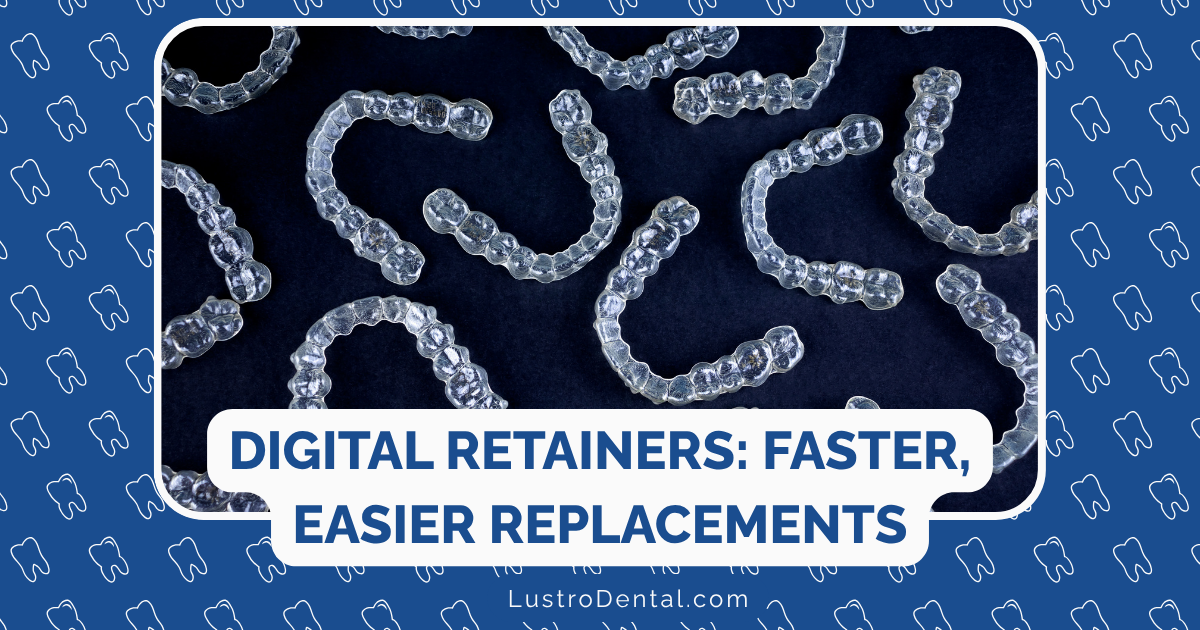
Clear aligners have revolutionized adult orthodontics, and the 2025 versions have addressed many limitations of earlier models. These custom-made, transparent trays gradually shift your teeth into alignment while remaining virtually invisible to others.
Latest Innovations for 2025:
Smart material technology: Newer aligners use advanced polymers that maintain clarity even after weeks of wear, resisting staining from coffee and other beverages professionals commonly consume during workdays
Precision-engineered movement: AI-driven treatment planning creates more predictable results with fewer refinements needed
Remote monitoring capabilities: Many aligner systems now include smartphone-compatible monitoring tools, reducing the need for in-office visits that disrupt your work schedule
Accelerated treatment protocols: Some systems incorporate gentle vibration technology that can reduce treatment time by up to 50%
Professional Considerations: Clear aligners are removable, allowing you to take them out for important presentations, client dinners, or photo opportunities. However, they require wearing for 20-22 hours daily to be effective, demanding discipline even during busy workdays.
According to a 2025 clinical study, adults with higher education levels and professional careers showed excellent compliance with clear aligner therapy, likely due to the structured nature of their daily routines.
Popular Options in 2025:
Invisalign Gen5: The industry leader has continued to innovate with enhanced materials and precision
SureSmile Pro: Known for shorter treatment durations and highly customized plans
Reveal Clear Aligners: Featuring stain-resistant technology ideal for coffee-drinking professionals
ClearCorrect Flex: Offers flexible treatment plans that accommodate varying professional needs
2. Ceramic Braces with Clear Components
For cases where aligners aren’t ideal, today’s ceramic braces offer a discreet alternative to traditional metal braces. Made from tooth-colored or clear materials, they blend with your natural tooth color.
2025 Advancements:
Ultra-clear brackets: Newer ceramic materials resist staining while maintaining strength
Frosted appearance options: Some systems offer a frosted finish that mimics the natural luminescence of teeth
Self-ligating technology: Modern ceramic brackets often feature built-in clips instead of elastic bands, reducing visibility and appointment frequency
Lower profile designs: Today’s ceramic brackets are significantly smaller than previous generations
Professional Considerations: Ceramic braces are fixed appliances, meaning you won’t need to worry about the discipline of inserting and removing them throughout the workday. However, they do require more attention to oral hygiene, potentially extending your bathroom breaks after lunch meetings.
Leading Systems in 2025:
Clarity Ultra: Featuring smaller brackets with rounded edges for comfort during long workdays
Damon Clear: Self-ligating system requiring fewer adjustments, meaning fewer appointments away from work
InVu Ceramic Braces: Color-matching technology that blends with any tooth shade
3. Lingual Braces: The Truly Invisible Option
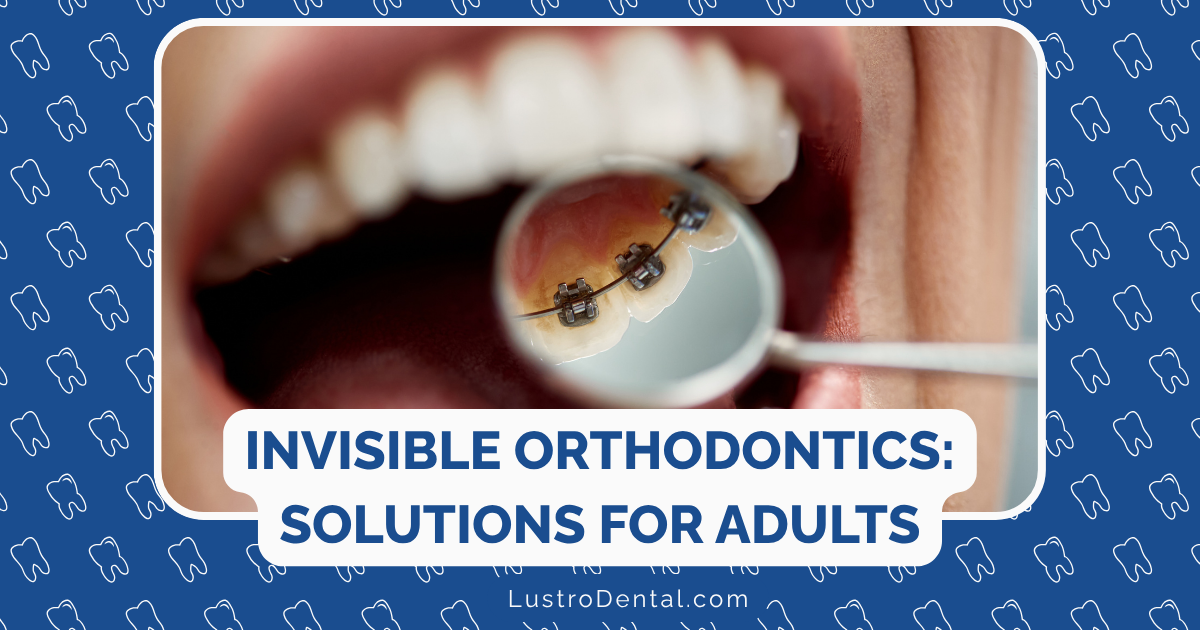
Lingual braces are placed behind your teeth, making them completely invisible from the front. For professionals whose careers involve being in the public eye or frequent close conversations, this option offers unparalleled discretion.
2025 Innovations:
Custom-digital fabrication: Computer-designed brackets that precisely fit the contours of your teeth
Flatter profiles: Newer lingual systems are much thinner, reducing tongue irritation and speech impacts
Targeted treatment options: Some systems allow for partial lingual treatment of just the most visible teeth
Hybrid approaches: Combining lingual braces with clear aligners for optimal aesthetics and efficiency
Professional Considerations: Lingual braces typically have the longest adjustment period for speech, which could temporarily impact presentations or client interactions. However, most professionals adapt within 1-2 weeks. They also tend to be the most expensive option, though many professionals find the complete invisibility worth the investment.
Leading Lingual Systems in 2025:
Incognito™ Hidden Braces: Fully customized for each tooth
SureSmile Lingual: Incorporating robotically bent wires for precision
WIN Lingual System: Lower profile design for improved comfort during long workdays
4. Hybrid and Accelerated Treatment Approaches
Many orthodontists now offer combination approaches that leverage the strengths of different systems while minimizing workplace disruptions.
Innovative Approaches for 2025:
Phased treatment plans: Using different systems at different stages to optimize both aesthetics and effectiveness
Micro-osteoperforation: Minimally invasive procedures that can accelerate tooth movement by up to 60%
Photobiomodulation: Light therapy that reduces discomfort and speeds up treatment
Weekend-only visible appliances: Some treatment protocols allow for more visible but efficient appliances on weekends, switching to completely discreet options during the workweek
Professional Considerations: These approaches often focus on reducing overall treatment time, which can be particularly valuable for professionals preparing for specific career milestones or transitional periods.
Managing Orthodontic Treatment in a Professional Setting
Beyond choosing the right appliance, successfully navigating orthodontic treatment while maintaining professional credibility requires strategy:
1. Timing Your Treatment Start
Consider your professional calendar when beginning treatment:
Schedule initial appointments during lighter work periods: The first appointments often take longer and may cause more discomfort
Allow adjustment time before major presentations: Give yourself 1-2 weeks to adapt to new appliances before critical professional events
Coordinate with your career timeline: Some professionals time their treatment to conclude before job searches or promotions
2. Workplace Management Strategies
Maintain a discreet care kit: Keep a small pouch with essentials (travel toothbrush, interdental brushes, orthodontic wax) in your desk or bag
Schedule lunch breaks strategically: Allow a few extra minutes for oral hygiene after meals
Prepare communication strategies: Practice speaking with your new appliances before important meetings
Consider disclosure approach: Decide whether you’ll mention your orthodontic treatment to colleagues or clients
3. Leveraging Technology for Convenience
Modern orthodontic practices understand the demands on professionals’ time:
Virtual consultations: Many initial and follow-up appointments can be conducted remotely
Extended hours: Look for practices offering early morning, evening, or weekend appointments
Digital monitoring: Some treatments allow progress tracking via smartphone apps, reducing in-office visits
Consolidated appointment scheduling: Some practices offer longer but less frequent appointments
Cost Considerations for Professional Adults
Orthodontic treatment represents a significant investment, but professionals should consider it in the context of career advancement and long-term health:
Average costs in 2025: Clear aligners range from $3,500-$8,000; ceramic braces from $4,000-$8,500; lingual braces from $8,000-$12,000
Insurance coverage: Many dental insurance plans now offer adult orthodontic benefits, typically covering $1,500-$3,000
Tax advantages: Health Savings Accounts (HSAs) and Flexible Spending Accounts (FSAs) allow pre-tax payment for orthodontic treatment
Financing options: Most practices offer interest-free payment plans specifically designed for professionals
Return on investment: Consider the potential career advancement and confidence benefits against the cost
Real Professional Success Stories
Sarah, 42, Marketing Executive
Sarah chose clear aligners during her promotion to a senior marketing role. “I was concerned about leading presentations with visible braces, but with clear aligners, no one noticed unless I mentioned it. I scheduled my refinement appointments around my meeting schedule, and the flexibility was perfect for my unpredictable calendar.”
Michael, 38, Attorney
Michael opted for lingual braces due to frequent courtroom appearances. “My speech was affected for about 10 days, which I managed by scheduling a lighter court calendar. After that adjustment period, not a single client or judge knew I was undergoing treatment. The results were worth the initial discomfort.”
Priya, 45, Tech Entrepreneur
Priya selected ceramic braces for her complex case. “As someone who appears in industry panels and company videos, I was concerned about my appearance. The ceramic option was barely noticeable on camera, and I found that focusing on my expertise rather than worrying about my smile actually improved my presentations.”
Making Your Decision: A Professional’s Checklist
When evaluating your options, consider:
Visibility concerns: How frequently are you in high-visibility professional situations?
Case complexity: Some conditions require more comprehensive approaches than others
Treatment timeline: How does the expected duration align with your career plans?
Speaking requirements: Does your role involve significant public speaking or client interaction?
Compliance reality: Can you commit to wearing removable appliances consistently?
Budget considerations: How will you finance your treatment?
Technology preferences: Do you value the convenience of remote monitoring and fewer office visits?
The Future of Professional Orthodontics
Looking beyond 2025, several emerging technologies promise even more convenient options for busy professionals:
Bioactive materials: Research is advancing on materials that can accelerate tooth movement while strengthening enamel
3D-printed custom appliances: Ultra-precise, same-day fabrication of orthodontic components
AI-driven treatment planning: More accurate predictions of tooth movement and treatment outcomes
Nanotechnology applications: Targeted delivery of compounds that enhance tooth movement at the cellular level
Conclusion: Investing in Your Professional Future
As a professional adult in 2025, you have more discreet orthodontic options than ever before. The decision to pursue treatment isn’t just about aesthetics—it’s an investment in your confidence, communication ability, and long-term oral health.
The key is finding the right balance between effectiveness, discretion, and convenience that aligns with your professional demands. By working with an orthodontist who understands the unique concerns of career-focused adults, you can achieve the smile you want without compromising your professional image along the way.
Have you undergone orthodontic treatment as a professional? What strategies helped you navigate the process successfully? Share your experiences in the comments below.