🦷 General Care
✨ Treatments
👶 Family Care
💚 Wellness
💡 Resources

🦷 General Care
✨ Treatments
👶 Family Care
💚 Wellness
💡 Resources

That parched, sticky feeling in your mouth after a night of drinking isn’t just an uncomfortable side effect—it’s your body sending an important signal. Dry mouth, or xerostomia as medical professionals call it, is more than just a temporary inconvenience when it comes to alcohol consumption. It represents a complex interplay between dehydration, saliva production, and your overall oral health.
Xerostomia affects approximately 22% of the global population, according to the American Dental Association, but its prevalence skyrockets among alcohol consumers. This condition goes far beyond simple thirst—it represents a significant decrease in saliva production that can have cascading effects on your oral and overall health.
Normal saliva production ranges from 0.5 to 1.5 liters daily, with healthy unstimulated flow rates of 0.3 to 0.4 mL per minute. When alcohol enters the picture, these numbers can drop dramatically, creating an environment ripe for oral health problems.
Alcohol is a powerful diuretic, meaning it increases urine production and output. According to Penn Dental Medicine, this diuretic effect begins almost immediately after consumption.
Here’s how the process unfolds:
This systemic dehydration directly impacts saliva production. Your body, facing a fluid deficit, prioritizes essential functions and reduces saliva output as a conservation mechanism.
Beyond the systemic dehydration, alcohol directly affects the salivary glands themselves:
Research from the National Center for Biotechnology Information indicates that these effects can persist long after the alcohol has been metabolized, especially in chronic drinkers.
Dry mouth isn’t just uncomfortable—it represents a significant risk factor for numerous oral health problems:
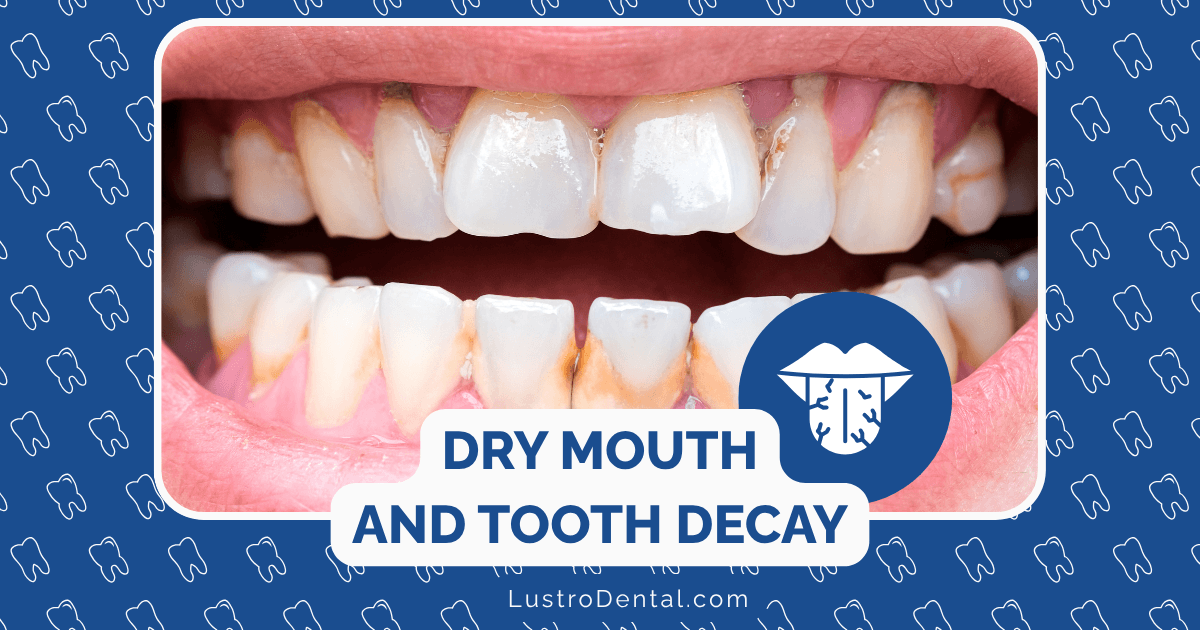
Saliva plays a crucial role in protecting your teeth from decay:
With reduced saliva flow, these protective mechanisms are compromised. According to Northampton Dental, the resulting environment becomes a breeding ground for decay-causing bacteria, leading to a significantly higher cavity risk.
Dry mouth creates favorable conditions for gum disease development and progression:
A 2015 study cited by Penn Dental Medicine found that regular alcohol users without pre-existing periodontitis had more gum bleeding than non-drinkers, while those with existing gum disease saw their condition worsen with increased alcohol consumption.
The antimicrobial properties of saliva help keep opportunistic infections at bay. When saliva flow decreases:
The Mayo Clinic notes that chronic dry mouth significantly increases the risk of oral thrush and other opportunistic infections, particularly in those who consume alcohol regularly.
Dry mouth can significantly impact taste perception and nutritional intake:
These effects can create a vicious cycle, as poor nutrition further compromises oral health and immune function.
The morning after drinking often brings the most severe dry mouth symptoms, commonly known as “cotton mouth.” This intensified xerostomia results from:
This severe dry mouth contributes significantly to the discomfort of hangovers, along with headache, fatigue, and nausea.
For those who drink regularly or heavily, the relationship between alcohol and dry mouth becomes more complex and concerning:
With chronic alcohol use, the body attempts to adapt to regular dehydration:
According to Cigna, these adaptations can mask the severity of xerostomia while its damaging effects continue unchecked.
Several factors can worsen alcohol-related dry mouth in chronic drinkers:
These factors create a perfect storm for severe, chronic xerostomia with significant health consequences.
Whether you’re an occasional social drinker or looking to reduce alcohol’s impact on your oral health, several strategies can help mitigate dry mouth:
According to Newmarket Dental, these simple strategies can significantly reduce the severity of alcohol-related dry mouth.
Understanding the connection between alcohol, dehydration, and dry mouth empowers you to make informed choices about your drinking habits and oral health care. While occasional alcohol consumption is unlikely to cause lasting damage, regular or heavy drinking creates significant risks that require proactive management.
By recognizing the early signs of xerostomia and taking steps to maintain adequate hydration and saliva production, you can enjoy social drinking while minimizing its impact on your oral health. And if you’re experiencing persistent dry mouth symptoms, a conversation with your dental professional can help identify the most effective management strategies for your specific situation.
Remember, your mouth’s natural moisture balance is a delicate system that plays a crucial role in protecting your overall health—and maintaining that balance is well worth the effort.