🦷 General Care
✨ Treatments
👶 Family Care
💚 Wellness
💡 Resources

🦷 General Care
✨ Treatments
👶 Family Care
💚 Wellness
💡 Resources

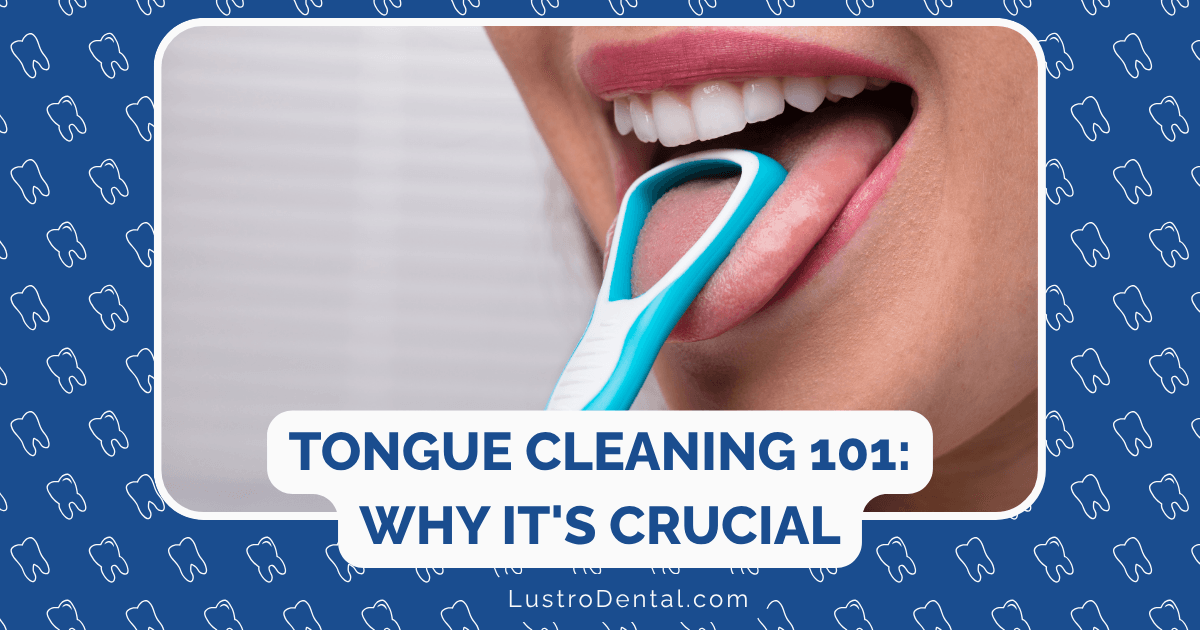
When it comes to oral hygiene, most of us have the basics down: brush twice a day, floss daily, and visit the dentist regularly. But there’s a crucial step that many people overlook—cleaning your tongue. Despite being one of the largest surfaces in your mouth and a major breeding ground for bacteria, tongue cleaning remains the forgotten step in most oral hygiene routines.
In this comprehensive guide, we’ll explore why tongue cleaning deserves a permanent spot in your daily dental care regimen, the science behind its benefits, and the best techniques to keep your tongue—and your whole mouth—healthier.
To understand why tongue cleaning matters, let’s first look at what makes your tongue such a hospitable environment for bacteria.
Your tongue isn’t a smooth surface—it’s covered with tiny bumps called papillae that create countless nooks and crannies. These papillae house your taste buds and help you enjoy food, but they also create the perfect environment for trapping:
Dr. Sarah Chen, a periodontist at Columbia University, explains: “The tongue has a unique surface texture that’s unlike any other part of your body. Those papillae are similar to the pile on a carpet—they can trap and hold debris that a simple rinse won’t dislodge.”
This buildup forms what dentists call “tongue coating” or “biofilm”—a layer that can be white, yellow, or even brownish depending on factors like diet, oral hygiene, and health conditions.
“When I show patients magnified images of what’s living on their tongues, they’re usually shocked,” notes Dr. Michael Rodriguez, DDS. “The tongue harbors hundreds of bacterial species, some beneficial and others potentially harmful to oral health.”
Tongue cleaning isn’t just about aesthetics—it’s backed by scientific research showing significant health benefits.
Bad breath is perhaps the most obvious reason people start cleaning their tongues. According to research published in the Journal of Periodontology, the tongue is responsible for approximately 85% of all cases of halitosis (bad breath), with the back of the tongue being the primary culprit.
A landmark study published in 2004 compared the effectiveness of tongue scrapers versus toothbrushes for reducing volatile sulfur compounds (VSCs)—the substances responsible for bad breath. The results were striking:
“The back third of the tongue is particularly problematic,” explains dental hygienist Jennifer Marsh. “It’s harder to reach, rarely comes into contact with food or beverages that might help clean it naturally, and has deeper fissures where anaerobic bacteria thrive and produce those smelly sulfur compounds.”
Your mouth is home to over 700 species of bacteria. While many are beneficial or harmless, others contribute to dental problems.
Research published in the International Journal of Dental Hygiene found that regular tongue cleaning significantly reduced the levels of Streptococcus mutans and Lactobacilli—bacteria strongly associated with tooth decay and gum disease.
A 2020 clinical study demonstrated that mechanical tongue cleaning reduced overall bacterial load by up to 61% when performed correctly, helping to maintain a healthier balance of oral microbiota.
Have you ever noticed that food seems to taste better after a dental cleaning? There’s a scientific reason for that.
A study in the Journal of Clinical Periodontology found that removing tongue coating significantly improved taste perception, particularly for salty, sweet, and bitter flavors. Participants reported an average 21% improvement in taste sensitivity after just two weeks of regular tongue cleaning.
“The coating on your tongue can physically block taste buds from properly interacting with food,” notes Dr. Lisa Warren, a prosthodontist. “Removing this barrier allows for more direct contact between taste molecules and receptors, enhancing your culinary experience.”
The bacteria on your tongue don’t stay there—they can recolonize teeth and gums shortly after brushing.
“Think of your tongue as a reservoir for bacteria,” explains Dr. Rodriguez. “You can brush and floss perfectly, but if you leave your tongue uncleaned, you’re allowing millions of bacteria to redistribute throughout your mouth within hours.”
Research from the American Academy of Periodontology suggests that tongue cleaning should be part of a comprehensive approach to preventing gum disease, as it reduces the overall bacterial load in the mouth.
Emerging research is exploring connections between oral bacteria and systemic health conditions. While more studies are needed, preliminary evidence suggests that reducing harmful oral bacteria through comprehensive hygiene practices (including tongue cleaning) may have implications for:
A review in the Journal of Oral Microbiology highlighted how bacteria from the mouth can be aspirated into the lungs or enter the bloodstream, potentially affecting other body systems.
When it comes to cleaning your tongue, you have several options. Each has its advantages, so let’s explore the most common tools:
What they are: Tongue scrapers are specialized tools designed specifically for cleaning the tongue. They typically come in a U-shape or T-shape and can be made of plastic, copper, stainless steel, or silicone.
Effectiveness: Research consistently shows tongue scrapers are the most effective tool for removing tongue coating. The 2004 study mentioned earlier found scrapers removed 30% more volatile sulfur compounds than toothbrushes.
Pros:
Cons:
“Tongue scrapers are the gold standard for tongue cleaning,” says dental hygienist Marsh. “Their design allows them to conform to the tongue’s surface and remove debris without pushing it deeper into the papillae, which can happen with a toothbrush.”
What they are: Your regular toothbrush can be used to clean your tongue, though it’s not designed specifically for this purpose.
Effectiveness: While not as effective as scrapers, toothbrushes still remove approximately 45% of volatile sulfur compounds according to research.
Pros:
Cons:
“If a toothbrush is all you have, it’s certainly better than nothing,” notes Dr. Warren. “Just be gentle and use a separate toothbrush from the one you use on your teeth if possible, as the bristles will wear differently when used on the tongue.”
What they are: Specialized brushes designed specifically for tongue cleaning, often with shorter, wider bristle patterns than toothbrushes.
Effectiveness: More effective than regular toothbrushes but generally less effective than scrapers according to comparative studies.
Pros:
Cons:
“Tongue brushes represent a middle ground,” explains Dr. Chen. “They’re more effective than regular toothbrushes for tongue cleaning but don’t quite match the efficiency of a well-designed scraper.”
Having the right tool is only half the battle—proper technique is equally important for effective tongue cleaning.
“The key is consistency and gentleness,” advises dental hygienist Marsh. “You’re aiming to remove the surface buildup, not scrub the tongue itself. With regular cleaning, you’ll notice less coating over time as you prevent buildup rather than removing accumulated debris.”
If using a toothbrush instead of a scraper:
“When using a toothbrush, the bristles should barely bend,” notes Dr. Rodriguez. “Many people brush their tongues too aggressively, which can cause irritation without improving cleaning effectiveness.”
Tongue cleaning can present some challenges, especially for beginners. Here’s how to address the most common issues:
Many people struggle with gagging when cleaning the back of their tongue. Try these strategies:
“The gag reflex typically improves with practice,” reassures Dr. Warren. “About 85% of my patients report that gagging diminishes significantly within two weeks of regular tongue cleaning.”
Some people experience tongue sensitivity or discomfort when they begin cleaning:
“If sensitivity persists beyond a few days of gentle cleaning, consult your dentist,” advises Dr. Chen. “Persistent discomfort could indicate an underlying condition that needs attention.”
If your tongue remains discolored despite regular cleaning:
“Never ignore persistent white or red patches on your tongue that don’t improve with cleaning,” warns Dr. Rodriguez. “These could be signs of conditions requiring medical attention.”
For tongue cleaning to be effective, it needs to become a habitual part of your oral hygiene routine. Here are strategies to help make it stick:
While either time works, morning cleaning offers some advantages:
“If you can only clean your tongue once daily, morning is ideal,” suggests dental hygienist Marsh. “But cleaning both morning and evening provides optimal results, especially for those prone to bad breath or heavy tongue coating.”
Try these approaches to establish a consistent tongue cleaning habit:
“Habit formation typically takes about 21 days,” notes Dr. Warren. “If you can consistently clean your tongue for three weeks, you’re likely to maintain the habit long-term.”
Tongue cleaning needs and approaches may vary based on individual circumstances:
“Children actually tend to adapt to tongue cleaning more easily than adults,” observes Dr. Chen. “They’re less likely to have established the gag reflex issues that adults develop, and they respond well to making it a game.”
“For my senior patients, tongue cleaning can significantly improve quality of life,” says Dr. Rodriguez. “Many experience diminished taste sensation with age, and removing tongue coating can help food taste better, potentially improving nutrition.”
“Patients with braces often experience more tongue coating due to changes in eating patterns and oral bacteria,” notes dental hygienist Marsh. “Regular tongue cleaning becomes even more important during orthodontic treatment.”
While tongue cleaning is generally beneficial, certain situations warrant professional attention:
Consult your dentist if you notice:
“The tongue is a barometer for overall health,” explains Dr. Warren. “Changes in its appearance or function can sometimes indicate systemic conditions that require medical attention.”
Your dental hygienist can provide professional tongue cleaning as part of your regular dental visit. Benefits include:
“I often recommend a professional tongue cleaning at least once a year,” says Dr. Chen. “It provides a ‘reset’ and gives us an opportunity to demonstrate proper technique for home care.”
Adding tongue cleaning to your daily oral hygiene routine requires minimal time and effort but offers significant rewards:
“In my 25 years of practice, I’ve found tongue cleaning to be one of the most underrated yet impactful additions to oral hygiene,” concludes Dr. Rodriguez. “Patients who adopt this habit consistently report not only fresher breath but also greater satisfaction with their overall oral health.”
By understanding the science behind tongue cleaning and implementing the techniques outlined in this guide, you can transform this forgotten step into an essential component of your daily oral care routine—and enjoy a cleaner, healthier mouth as a result.