🦷 General Care
✨ Treatments
👶 Family Care
💚 Wellness
💡 Resources

🦷 General Care
✨ Treatments
👶 Family Care
💚 Wellness
💡 Resources

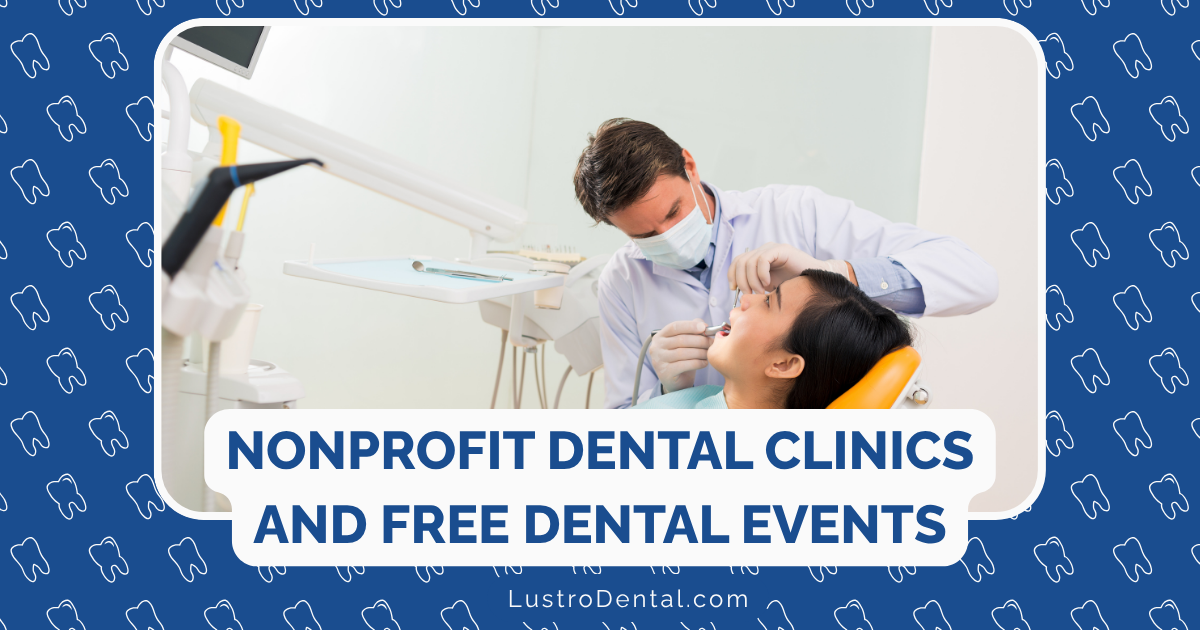
The cost of dental care continues to be a significant barrier for millions of Americans. With basic procedures like fillings costing $150-300 and more complex treatments like crowns reaching $1,000 or more, many individuals and families find themselves postponing essential dental care—often until pain becomes unbearable.
Fortunately, a network of nonprofit dental clinics and free dental events exists across the country, providing vital services to those who might otherwise go without care. These organizations serve as a crucial safety net, offering everything from basic preventive services to comprehensive treatment at little or no cost to eligible patients.
This guide will help you navigate the world of nonprofit dental resources, understand what services are available, and learn how to access care in your area.
Several different models of nonprofit dental care exist, each with its own focus and eligibility requirements:
These established facilities operate year-round, providing ongoing dental services to underserved populations. They typically employ paid dental professionals, often supplemented by volunteers, and may offer a wide range of services from preventive care to more complex procedures.
Examples include:
These traveling clinics bring dental care directly to communities with limited access. Operating out of specially equipped vehicles, they can provide basic dental services in schools, community centers, and rural areas.
Organizations like the Medical Teams International operate mobile dental programs that travel to various locations, particularly serving rural and underserved urban areas.
These massive volunteer events provide free dental care to hundreds or thousands of patients over one or more days. They typically operate on a first-come, first-served basis and may offer a range of services from cleanings and fillings to extractions.
Major programs include:
These programs match eligible patients with volunteer dentists who provide comprehensive treatment in their private offices. The most prominent example is the Dental Lifeline Network’s Donated Dental Services (DDS) program, which operates in all 50 states.
Several tools and strategies can help you locate nonprofit dental resources near you:
These searchable databases help you find local dental resources:
Don’t overlook these valuable local sources of information:
Several national organizations lead efforts to provide free and reduced-cost dental care:
The Dental Lifeline Network (DLN) coordinates the Donated Dental Services (DDS) program, which has provided over $500 million in dental care to vulnerable individuals since its inception in 1985.
Who they serve: Primarily elderly, disabled, or medically fragile individuals who cannot afford dental care and don’t qualify for public assistance.
How it works: DLN coordinates a network of 12,350 volunteer dentists and 3,300 volunteer laboratories who provide comprehensive treatment in their offices. According to their website, there are currently more than 5,000 people on their waitlist for services.
How to apply: Visit their state programs page to find application information for your state. Note that eligibility and availability vary by location, with some counties currently closed to new applicants due to high demand.
The America’s Dentists Care Foundation (ADCF) supports large-scale charitable dental clinics known as Mission of Mercy (MOM) events. These events typically provide free dental care to 1,000-2,000 patients over a one or two-day period.
Who they serve: Anyone in need, typically on a first-come, first-served basis.
Services provided: Basic dental care including cleanings, fillings, extractions, and limited other services depending on volunteer availability.
Upcoming events: For 2025, ADCF has scheduled numerous MOM events across the country, including:
Visit their clinic schedule page for a complete list of upcoming events.
Remote Area Medical (RAM) provides free dental, vision, and medical care through mobile clinics across the United States. Founded in 1985, RAM has provided over $215 million in free care to nearly 1 million patients.
Who they serve: Anyone in need, with no eligibility requirements or identification needed.
Services provided: Basic dental services including cleanings, fillings, extractions, and limited denture repairs.
How it works: Patients typically arrive early (often the night before) and receive numbered tickets on a first-come, first-served basis.
Upcoming events: RAM has scheduled numerous free clinics for 2025, including events in Sharon, PA; Montgomery, AL; Knoxville, TN; Paris, IL; Cincinnati, OH; and many more locations across the country. Check their website for the most current schedule.
The American Dental Association Foundation’s Give Kids A Smile (GKAS) program focuses specifically on providing free dental services to underserved children. Since its inception in 2003, GKAS has helped more than 6 million children access free dental services.
Who they serve: Children from low-income families who lack access to dental care.
Services provided: Screenings, preventive care, education, and treatment.
How to find events: The ADA Foundation provides a list of GKAS events by state. Contact your state dental association or visit the GKAS website for information about events in your area.
Understanding what to expect can help you prepare for your visit to a nonprofit dental clinic or event:
Appointment Process: Most permanent clinics require appointments, though some may offer walk-in hours for emergencies. Be prepared for potential waiting lists, especially for non-emergency care.
Documentation Needed: Typically includes:
Services Available: Services vary by clinic but may include:
Cost: Most nonprofit clinics use a sliding fee scale based on income, with fees typically ranging from $0-100 for basic services. Some may require a nominal fee regardless of income.
Arrival Process: These events typically operate on a first-come, first-served basis. Many patients arrive the night before or very early in the morning to secure a place in line.
What to Bring:
Services Available: Services are based on volunteer availability but typically include:
Time Commitment: Expect to spend most of the day at the event. Treatment is provided on a first-come, first-served basis, and waiting times can be substantial.
Eligibility requirements vary by organization, but most nonprofit dental resources focus on serving specific populations:
Income: Most programs have income thresholds, typically between 100-200% of the Federal Poverty Level.
Insurance Status: Many programs prioritize those without dental insurance, though some will accept patients with limited coverage.
Special Populations: Some programs focus specifically on:
The Dental Lifeline Network’s Donated Dental Services program has specific eligibility criteria:
As noted on their website, the program focuses on those with the most significant needs and limited resources.
The impact of nonprofit dental care extends far beyond oral health, affecting overall well-being, employment opportunities, and quality of life:
Veterans Receiving Care: Through programs like VetMOM, veterans who have fallen through the cracks of VA dental coverage receive comprehensive care. One participant shared: “I hadn’t smiled in photos for over a decade because of my teeth. After receiving treatment through the DDS program, I not only smile again—I got a job interview and was hired within a week.”
Seniors Regaining Dignity: An 82-year-old woman who received dentures through a nonprofit clinic reported: “I can eat properly for the first time in years. The nutritional difference has improved my overall health, and I’m no longer embarrassed to socialize with friends.”
Children Getting a Healthy Start: A mother whose children received care through Give Kids A Smile noted: “My son had been complaining of tooth pain for months, but I couldn’t afford to take him to a dentist. The free clinic not only fixed his cavities but taught him how to properly care for his teeth—something no one had ever shown him before.”
While nonprofit dental resources provide invaluable services, it’s important to understand their limitations:
Demand for free and reduced-cost dental services far exceeds supply. Many programs have waiting lists ranging from months to years, particularly for comprehensive care.
Rural areas often have fewer nonprofit dental resources, making access challenging for those without reliable transportation.
Most nonprofit dental clinics focus on basic and emergency care. Complex procedures like implants may not be available or may have limited availability.
Large-scale events provide valuable one-time treatment but may not address ongoing dental needs or preventive care.
These strategies can help improve your chances of accessing nonprofit dental services:
Don’t rely on a single resource. Apply to several programs simultaneously to increase your chances of receiving timely care.
Be willing to travel to events or clinics in neighboring communities and follow up regularly on waitlist status.
When applying, clearly articulate your dental issues and how they affect your overall health, employment, or quality of life.
Some organizations give priority to volunteers. Consider donating your time to help with non-clinical tasks if you’re able.
While waiting for more extensive treatment, seek preventive services through low-cost clinics to prevent further deterioration.
Communities play a vital role in supporting nonprofit dental resources:
The landscape of nonprofit dental care continues to evolve:
Many nonprofit dental organizations are incorporating telehealth for initial assessments, follow-ups, and oral health education, expanding their reach to underserved areas.
Increasing collaboration between nonprofit dental clinics and other healthcare providers is improving comprehensive care for patients with complex medical and dental needs.
Nonprofit dental organizations are increasingly advocating for policy changes to address the root causes of dental care inequity, including expanded public dental benefits and increased reimbursement rates.
Dental care should not be a luxury reserved for those who can afford it. Through nonprofit dental clinics and events, quality care is becoming more accessible to those who need it most. While challenges remain, these resources provide a vital lifeline for millions of Americans who would otherwise go without essential dental services.
If you’re struggling to afford dental care, don’t wait until pain forces you to seek emergency treatment. Explore the nonprofit dental resources in your area, apply for programs you may qualify for, and take advantage of free dental events when they come to your region.
Your oral health is too important to neglect, and with the right resources, quality dental care can be within reach—regardless of your financial situation.
Have you received care from a nonprofit dental clinic or event? Share your experience in the comments to help others navigating similar paths to dental health.