🦷 General Care
✨ Treatments
👶 Family Care
💚 Wellness
💡 Resources

🦷 General Care
✨ Treatments
👶 Family Care
💚 Wellness
💡 Resources

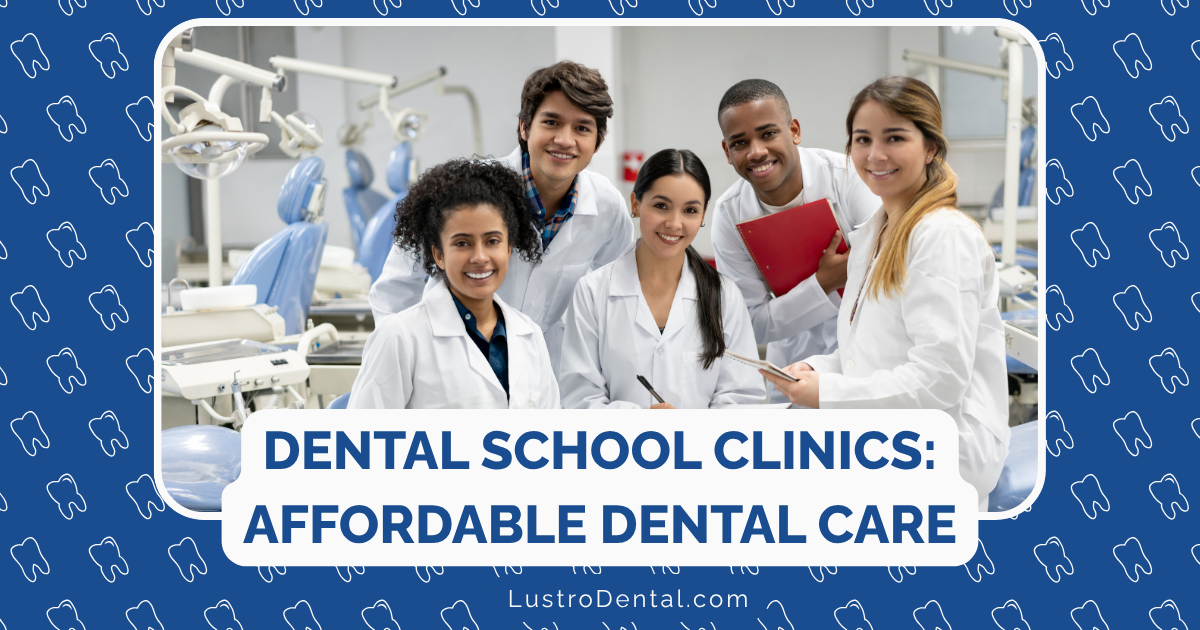
In an era of rising healthcare costs, finding affordable dental care can feel like searching for a needle in a haystack. Yet one of the most overlooked resources for quality, budget-friendly dental treatment exists in nearly every state: dental school clinics and teaching facilities. These educational institutions offer a win-win solution—providing essential clinical experience for dental students while delivering comprehensive care to patients at significantly reduced rates.
As someone who has navigated both sides of the dental chair, I’ve seen firsthand how dental schools bridge the gap between quality care and affordability. This guide explores everything you need to know about receiving treatment at dental school clinics, from the quality of care to what you can expect during your visit.
According to the American Dental Education Association, there are currently 67 dental schools operating clinics across 37 states and Puerto Rico. In the 2021-2022 academic year alone, these institutions facilitated over 2.2 million patient visits, with 90% occurring on campus.
These numbers represent more than just statistics—they reflect a vast network of affordable care options serving communities across the nation. Nearly 19,000 oral health students provide care under the supervision of over 6,000 faculty clinicians, creating a robust educational environment that benefits both students and patients.
The most compelling reason many patients choose dental school clinics is the significant cost savings. Consider these typical price comparisons:
| Procedure | Dental School Clinic | Private Practice |
| Comprehensive Exam | $20-50 | $100-200 |
| Full Set of X-rays | $25-75 | $100-150 |
| Cleaning | $30-60 | $75-200 |
| Filling | $50-100 | $150-300 |
| Crown | $500-700 | $900-1,500 |
| Root Canal | $300-500 | $900-1,200 |
| Complete Dentures | $500-700 | $1,600-2,000 |
According to the University of Colorado School of Dental Medicine, patients typically save 30-50% compared to private practice fees. This substantial difference makes essential dental care accessible to many who might otherwise forgo treatment due to financial constraints.
One of the most persistent myths about dental school clinics is that the quality of care is somehow inferior because students are performing the procedures. In reality, the opposite is often true.
Every step of your treatment at a dental school clinic is meticulously supervised by licensed faculty dentists with years of clinical experience. The Harvard School of Dental Medicine explains their process: “A faculty member checks the work of dental students at each step to ensure high-quality care.”
This multi-layered approach means your treatment plan and execution receive more scrutiny and expert eyes than you might experience in a private practice setting.
Dental schools are at the forefront of dental education, utilizing the latest evidence-based techniques and technologies. Students are trained in current best practices, and many dental schools invest heavily in state-of-the-art equipment to provide comprehensive learning environments.
Rather than the sometimes fragmented approach found in private practice, dental schools typically emphasize comprehensive care. Your overall oral health is assessed, and treatment plans address both immediate concerns and long-term oral health goals.
While the financial benefits are clear, it’s important to understand what the experience entails before deciding if a dental school clinic is right for you.
Perhaps the most significant difference from private practice is the time commitment. Appointments at dental school clinics typically last 2-3 hours, compared to 30-60 minutes at a private practice. This extended timeframe allows students to work carefully and faculty to check their work thoroughly.
According to a study published in the Journal of Dental Education, patients generally understand this trade-off, with satisfaction rates remaining high despite longer appointment times.
Procedures that might be completed in one or two visits at a private practice may require additional appointments at a dental school clinic. Complex treatments like crowns or dentures often necessitate more visits to ensure quality at each stage of the process.
Most dental schools have an initial screening process to determine if your dental needs align with their educational requirements. Not all patients or dental conditions are accepted, as the clinics must ensure cases are appropriate for student learning.
Dental school clinics operate on academic calendars, which may include reduced hours or closures during school breaks. Treatment timelines may be extended if they overlap with these academic interruptions.
While dental school clinics can serve anyone seeking affordable care, certain groups may find them particularly beneficial:
With approximately 76.5 million Americans lacking dental insurance according to the National Association of Dental Plans, dental school clinics provide a crucial safety net for those paying out-of-pocket.
Dental schools are significantly more likely to accept Medicaid than private practices. The American Dental Education Association reports that 94% of dental schools participated in Medicaid and CHIP as of April 2023, compared to a much lower percentage of private practices. In fact, approximately 40% of patients at dental schools were covered by public insurance, compared to just 9% at private practices.
Those requiring extensive dental work can realize substantial savings at dental school clinics. A full mouth rehabilitation that might cost tens of thousands of dollars in private practice could be completed for a fraction of that amount.
Given the longer appointments and multiple visits required, dental school clinics are ideal for those with flexible schedules who can accommodate extended treatment timelines.
If you’re interested in receiving care at a dental school clinic, here’s how to get started:
The American Dental Association maintains a comprehensive directory of accredited dental schools across the United States. You can also search for “dental school clinic” plus your city or state to find options in your area.
Most dental schools require an initial screening appointment to assess your dental needs and determine if you’re a suitable patient for their educational program. This screening may include:
After your screening, you may be assigned to a specific student or clinic based on your treatment needs. Some schools organize clinics by year of study, with more complex procedures handled by advanced students.
While dental school clinics offer reduced rates, it’s important to understand the payment expectations:
Research on patient experiences at dental school clinics reveals both advantages and challenges:
Despite these challenges, research indicates high overall satisfaction rates. The same South African study found that approximately 80% of patients were satisfied with their waiting times, and 85.9% indicated they would return for future care.
If a dental school isn’t available in your area, consider these alternatives that operate on similar teaching models:
Many community colleges offer dental hygiene programs with student clinics providing preventive services like cleanings, x-rays, and fluoride treatments at reduced rates.
For example, the Delta Dental of Kansas Foundation Dental Hygiene Clinic at Wichita State University offers low-cost preventative services to people of all ages, regardless of university affiliation.
Hospitals with dental residency programs often provide care at reduced rates. These clinics are staffed by licensed dentists completing advanced training, supervised by experienced faculty.
While not strictly teaching facilities, many FQHCs partner with dental schools to provide educational opportunities for students while offering sliding-scale fees for dental services.
If you decide to pursue treatment at a dental school clinic, these tips can help optimize your experience:
Communicate clearly about your priorities, concerns, and time constraints. This helps the clinic determine if they can meet your needs.
Understanding the treatment plan, timeline, and supervision process can alleviate concerns and set appropriate expectations.
Detailed medical and dental history helps students and faculty develop appropriate treatment plans and avoid complications.
Recognize that the educational environment requires additional time and potentially more appointments than private practice.
Most dental schools value patient feedback as part of their educational mission. Your input helps improve both student education and patient care.
Dental school clinics offer a valuable option for those seeking quality dental care at reduced rates. The trade-off—primarily in time and convenience—may be well worth the significant cost savings, particularly for those without dental insurance or facing extensive treatment needs.
By understanding what to expect and approaching the experience with appropriate expectations, patients can receive comprehensive, supervised dental care while contributing to the education of future dental professionals. This symbiotic relationship benefits both the patient’s oral health and the development of skilled, compassionate dentists.
Whether you’re struggling to afford necessary dental work or simply looking to maximize your healthcare dollars, dental school clinics deserve consideration as part of your oral healthcare strategy.
Have you received treatment at a dental school clinic? Share your experience in the comments below to help others considering this option for their dental care needs.