Gum Disease Explained: Your Questions Answered with Compassion and Clarity
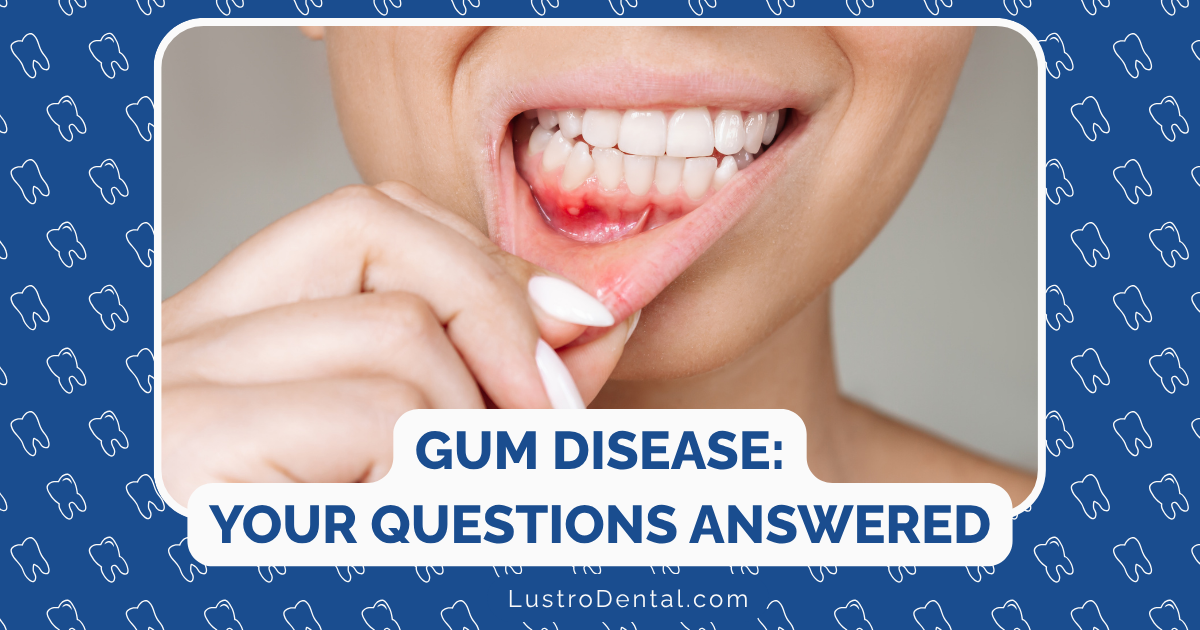
When you notice your gums bleeding while brushing or feel tenderness along your gumline, it’s natural to feel concerned. Gum disease affects millions of people worldwide, yet it remains widely misunderstood and often goes untreated until significant damage has occurred.
In this comprehensive guide, we’ll explore gum disease with both scientific accuracy and compassionate understanding. Whether you’re experiencing symptoms yourself, supporting a loved one, or simply seeking to prevent future problems, this article aims to provide clear answers to your most pressing questions about gum health.
Gum disease, medically known as periodontal disease, is an inflammatory condition affecting the tissues surrounding and supporting the teeth. Despite its prevalence—affecting nearly half of adults over 30 in the United States according to the Centers for Disease Control and Prevention—many people don’t fully understand what it is or how it develops.
What Exactly Is Gum Disease?
At its core, gum disease is an infection of the tissues that hold your teeth in place. These tissues include:
Gingiva (gums): The visible pink tissue surrounding your teeth
Periodontal ligament: Connective tissue fibers that attach the tooth to the bone
Cementum: The layer of connective tissue that covers the tooth’s root
Alveolar bone: The bone that surrounds and supports your teeth
When bacteria in plaque (the sticky film that forms on teeth) are not removed through regular brushing and flossing, they can cause inflammation of these tissues, beginning with the gums.
The Two Main Stages
Gum disease typically develops in two distinct stages:
1. Gingivitis
This is the earliest and mildest form of gum disease. During this stage:
Bacteria in plaque irritate the gums, causing inflammation
Gums become red, swollen, and may bleed easily during brushing or flossing
There is usually little to no discomfort
No irreversible damage to bone or connective tissue has occurred
The condition is fully reversible with proper oral hygiene and professional care
2. Periodontitis
If gingivitis is left untreated, it can progress to periodontitis, a more serious condition where:
Inflammation extends beyond the gums to the periodontal ligament and alveolar bone
The gums pull away from the teeth, forming pockets that become infected
These pockets deepen as the disease progresses
Bone and connective tissue begin to break down
Teeth may become loose and eventually require extraction
The damage at this stage is largely irreversible, though it can be managed
Understanding this progression highlights why early intervention is so crucial. Catching and addressing gum disease at the gingivitis stage can prevent permanent damage to your oral structures.
Recognizing the Warning Signs
One of the challenges with gum disease is that it often develops painlessly, allowing it to progress unnoticed. Being aware of the warning signs can help you seek treatment before significant damage occurs.
Early Signs of Gingivitis
Bleeding gums during brushing or flossing: Perhaps the most common and earliest sign
Red or purple-tinged gums: Healthy gums should be pink
Swollen or puffy gum tissue: Gums may appear enlarged
Tenderness when touched: Gums may be sensitive to pressure
Persistent bad breath: Caused by bacteria in the mouth
Slight recession of the gumline: Teeth may appear longer than normal
Advanced Signs of Periodontitis
Receding gums: Significant pulling back of gum tissue, exposing more of the tooth
New spaces developing between teeth: Teeth may appear to be spreading apart
Pus between teeth and gums: Indicates active infection
Painful chewing: Discomfort when biting or eating
Loose teeth: Movement or shifting of teeth in their sockets
Changes in how teeth fit together: Alterations in your bite
Pain or sensitivity: Particularly to hot or cold temperatures
Silent Symptoms
It’s important to note that some people with gum disease—even in advanced stages—may experience few or no noticeable symptoms. This is why regular dental check-ups are essential; your dental professional can detect signs of gum disease that you might miss.
According to research published in the Journal of Dental Research, up to 27% of people with moderate to severe periodontitis report no symptoms at all, highlighting the importance of professional evaluation.
The Progression: From Gingivitis to Periodontitis
Understanding how gum disease progresses can help you recognize the importance of early intervention and consistent care.
The Timeline of Progression
Stage 1: Initial Gingivitis (Days to Weeks)
When plaque accumulates along the gumline, bacteria in the plaque release toxins that irritate gum tissue. Within days, this can lead to:
Microscopic inflammation
Increased blood flow to the area
Slight swelling and redness
Potential bleeding during brushing
At this stage, the condition is easily reversible with improved oral hygiene and professional cleaning.
Stage 2: Established Gingivitis (Weeks to Months)
If the initial gingivitis isn’t addressed, it becomes more established:
Visible redness and swelling increase
Bleeding becomes more consistent
Mild discomfort may develop
Bad breath becomes more noticeable
Even at this stage, the condition remains reversible, though it may require more intensive professional cleaning.
Stage 3: Early Periodontitis (Months to Years)
The transition from gingivitis to early periodontitis marks a critical threshold:
Inflammation begins to affect the periodontal ligament and alveolar bone
Shallow pockets (3-4mm deep) form between teeth and gums
Early bone loss may begin (detectable on X-rays)
Gum recession becomes more noticeable
At this stage, some permanent damage has occurred, but progression can be halted with appropriate treatment.
Stage 4: Moderate Periodontitis (Years)
As the disease continues:
Pockets deepen (4-6mm)
Bone loss becomes more significant
Teeth may begin to feel slightly loose
Gum recession is more pronounced
Root surfaces may become exposed, leading to sensitivity
Stage 5: Advanced Periodontitis (Years to Decades)
In the final stage:
Deep pockets (>6mm)
Significant bone loss (50% or more around some teeth)
Teeth become loose and may shift position
Chewing becomes painful
Teeth may eventually be lost
Factors Affecting Progression
Not everyone progresses through these stages at the same rate. Several factors can accelerate or slow the development of periodontitis:
Oral hygiene habits: Consistent brushing and flossing significantly slow progression
Smoking: Accelerates disease progression and reduces treatment effectiveness
Diabetes: Particularly when poorly controlled, can speed progression
Genetics: Some people are more susceptible due to genetic factors
Immune system function: Compromised immunity can accelerate progression
Stress levels: Chronic stress can impair immune response to infection
Medications: Some drugs reduce saliva flow, which normally helps protect against bacteria
Understanding this progression underscores why early intervention is so crucial—the earlier treatment begins, the less permanent damage occurs.
The Hidden Connection: Gum Disease and Overall Health
One of the most significant developments in our understanding of gum disease is the recognition that it’s not just an oral health issue—it has implications for your entire body. This bidirectional relationship means that gum disease can affect systemic health, and systemic conditions can influence gum disease.
How Gum Disease Affects Your Body
Research has established links between periodontitis and several serious health conditions:
Cardiovascular Disease
Multiple studies, including research published in the American Journal of Cardiology, have found associations between gum disease and heart disease:
Bacteria from periodontal infections can enter the bloodstream
These bacteria may contribute to arterial plaque formation
The inflammatory response to gum disease may increase inflammation throughout the body
People with gum disease have a 1.5 to 2 times higher risk of heart disease
Diabetes
The relationship between diabetes and periodontitis is particularly strong and bidirectional:
People with diabetes are more susceptible to infections, including gum disease
Periodontal inflammation can make blood sugar control more difficult
Treating gum disease has been shown to improve glycemic control in some diabetic patients
Research suggests connections between gum disease and respiratory issues:
Bacteria from the mouth can be aspirated into the lungs
This may contribute to pneumonia and other respiratory infections
People with chronic respiratory conditions may experience more frequent exacerbations if they have untreated gum disease
Pregnancy Complications
Some studies indicate potential links between periodontitis and:
Preterm birth
Low birth weight
Preeclampsia
While more research is needed, maintaining good oral health during pregnancy is considered an important preventive measure.
Other Potential Connections
Emerging research is investigating links between periodontitis and:
Rheumatoid arthritis
Certain cancers
Alzheimer’s disease
Kidney disease
How Your Health Affects Your Gums
Just as gum disease can impact overall health, certain health conditions and lifestyle factors can increase the risk and severity of periodontal problems:
Diabetes: High blood sugar impairs immune function and healing
Osteoporosis: May accelerate alveolar bone loss
Medications: Many drugs cause dry mouth, reducing the protective effects of saliva
Stress: Impairs immune response and may lead to teeth grinding
Hormonal changes: Pregnancy, menopause, and other hormonal shifts can increase gum sensitivity
Nutritional deficiencies: Particularly vitamin C, which is essential for gum health
This two-way relationship highlights why treating gum disease isn’t just about saving your teeth—it’s about protecting your overall health.
Conventional Treatment Approaches
Treating gum disease typically involves a combination of professional dental care and improved home oral hygiene. The specific approach depends on the stage and severity of the condition.
Treatment for Gingivitis
Since gingivitis is reversible, treatment focuses on removing plaque and irritants:
Professional Treatment
Professional dental cleaning (prophylaxis): Removes plaque and tartar above and slightly below the gumline
Oral hygiene instruction: Personalized guidance on effective brushing and flossing techniques
Identification of risk factors: Addressing contributing issues like misaligned teeth or problematic dental restorations
Home Care
Improved brushing: Twice daily with proper technique
Daily flossing: To remove plaque between teeth
Antimicrobial mouthwash: To reduce bacteria between cleanings
With consistent care, gingivitis typically resolves within 10-14 days, though maintaining these habits is essential to prevent recurrence.
Treatment for Periodontitis
Once the disease has progressed to periodontitis, more intensive interventions are necessary:
Non-Surgical Treatments
Scaling and root planing: A deep-cleaning procedure performed under local anesthesia that removes plaque and tartar from below the gumline and smooths root surfaces to promote healing and reattachment of gum tissue
Antibiotic therapy: May include:
Topical antibiotics applied directly to infected pockets
Antibiotic mouth rinses
Oral antibiotics for more widespread infection
More frequent professional cleanings: Typically every 3-4 months rather than the standard 6 months
Surgical Treatments for Advanced Cases
Flap surgery (pocket reduction): Lifting back gum tissue to remove tartar deposits and reduce pocket depth
Bone grafts: Replacing bone destroyed by periodontitis to provide support for teeth
Soft tissue grafts: Reinforcing thin gums or filling in areas where gums have receded
Guided tissue regeneration: Using special materials to encourage natural regrowth of bone and tissue
Bone surgery: Smoothing shallow craters in bone to eliminate areas where bacteria can hide
Maintenance Therapy
After active treatment, ongoing maintenance is crucial:
Regular professional cleanings (every 3-4 months)
Periodic reassessment of pocket depths
Consistent home care
Management of risk factors
It’s important to understand that while damage from periodontitis isn’t fully reversible, the disease progression can be halted, and with appropriate treatment, many patients maintain their teeth for a lifetime.
The Role of the Oral Microbiome in Gum Health
Recent scientific advances have transformed our understanding of gum disease by highlighting the crucial role of the oral microbiome—the community of microorganisms living in your mouth. This new perspective offers promising approaches for prevention and treatment.
Understanding the Oral Microbiome
Your mouth naturally contains hundreds of species of bacteria, fungi, viruses, and other microorganisms living in a complex ecosystem. In a healthy mouth, these microbes exist in a balanced relationship with each other and with your body.
The Balance of Health and Disease
Healthy microbiome: Dominated by beneficial or neutral species that help protect against disease
Dysbiosis: An imbalance where harmful species become more prevalent, increasing disease risk
Research published in the Journal of Dental Research shows that people with periodontal disease have significantly different oral microbiome compositions compared to those with healthy gums.
How Dysbiosis Leads to Gum Disease
The development of gum disease isn’t simply about the presence of “bad bacteria” but rather about shifts in the microbial community:
Initial colonization: Certain bacteria attach to teeth and form biofilms (plaque)
Community shifts: As plaque matures, the bacterial composition changes
Pathogen emergence: Species associated with gum disease become more dominant
Immune response: Your body’s inflammatory response to these bacteria damages gum tissue
Disease progression: The environment becomes increasingly favorable for disease-associated bacteria
Key bacteria associated with periodontal disease include Porphyromonas gingivalis, Treponema denticola, and Tannerella forsythia—often called the “red complex” due to their strong association with severe disease.
Traditional Approaches vs. Microbiome Perspective
Traditional treatments for gum disease often take a “scorched earth” approach, attempting to eliminate bacteria broadly. However, this can disrupt beneficial bacteria along with harmful ones.
A microbiome-focused approach instead aims to:
Restore balance rather than eliminate all bacteria
Support beneficial species that naturally inhibit pathogens
Create an environment that favors health-associated microbes
Oral Probiotics: Supporting Microbiome Balance
One of the most promising developments in gum disease prevention and management is the use of oral probiotics—beneficial bacteria specifically selected to support oral health.
How Oral Probiotics Work
Unlike traditional treatments that indiscriminately kill bacteria, oral probiotics work by:
Competing with harmful bacteria for space and resources
Producing antimicrobial compounds that target pathogens
Modulating the immune response to reduce inflammation
Creating an environment less favorable for disease-associated bacteria
ProDentim: A Targeted Approach
ProDentim represents an innovative approach to supporting gum health through microbiome balance. Each tablet contains 3.5 billion CFUs (colony-forming units) of beneficial bacteria specifically selected for their role in oral health:
Lactobacillus paracasei: Helps inhibit the growth of periodontal pathogens and supports immune function in the oral cavity
Lactobacillus reuteri: Produces antimicrobial compounds that target harmful bacteria while supporting gum tissue health
Bifidobacterium lactis BL-04: Helps maintain microbial balance and supports immune function
The formula also includes inulin (a prebiotic that selectively feeds beneficial bacteria) and other supporting ingredients that promote oral health.
Benefits for Gum Health
Many users of ProDentim report significant improvements in their gum health, including:
Reduced gum bleeding during brushing and flossing
Decreased gum tenderness and inflammation
Fresher breath throughout the day
Less visible redness in the gum tissue
While oral probiotics like ProDentim should complement rather than replace traditional oral hygiene and professional care, they offer a promising addition to comprehensive gum health strategies.
Innovative Approaches to Gum Disease Prevention
Beyond conventional treatments and oral probiotics, several innovative approaches are expanding our options for preventing and managing gum disease.
Precision Periodontal Medicine
This emerging field takes a personalized approach to gum disease, recognizing that the condition varies significantly between individuals:
Genetic testing: Identifying genetic factors that increase susceptibility
Microbiome analysis: Determining the specific bacterial profile in an individual’s mouth
Biomarker assessment: Measuring inflammatory markers in saliva or gingival fluid
Tailored interventions: Creating personalized prevention and treatment plans based on individual risk factors
Photodynamic Therapy
This non-invasive approach combines light activation with photosensitizing agents:
A photosensitizing solution is applied to the gums
When activated by a specific wavelength of light, it produces oxygen species that kill bacteria
The treatment is highly targeted and doesn’t promote antibiotic resistance
Research shows it can be effective as an adjunct to conventional treatment
Host Modulation Therapy
Rather than targeting bacteria directly, this approach aims to modify the host’s (your body’s) response to bacterial presence:
Reduces excessive inflammatory responses that damage tissue
May include low-dose doxycycline (below antimicrobial levels)
Shows promise for patients with risk factors like diabetes or smoking
Nutritional Approaches
Emerging research highlights the role of nutrition in gum health:
Omega-3 fatty acids: May help reduce gum inflammation
Antioxidants: Vitamins C and E support tissue healing and immune function
Vitamin D: Plays a role in immune regulation and bone health
Coenzyme Q10: May support gum tissue healing
Comprehensive Approach: Combining Methods
The most effective approach to gum disease prevention and management typically combines multiple strategies:
Foundation: Consistent brushing, flossing, and professional cleanings
Microbiome support: Using products like ProDentim to maintain bacterial balance
Risk factor management: Addressing smoking, stress, and systemic conditions
Nutritional support: Ensuring adequate intake of key nutrients
Regular monitoring: Professional assessment to catch changes early
This multi-faceted approach addresses the complex nature of periodontal disease and offers the best chance for long-term gum health.
Living with Gum Disease: Practical Daily Management
For those diagnosed with gum disease or at high risk, daily management becomes crucial for preventing progression and maintaining oral health.
Creating an Effective Home Care Routine
Morning Routine
Thorough brushing: Using a soft-bristled toothbrush and fluoride toothpaste
Brush for a full two minutes
Use gentle circular motions at a 45-degree angle to the gumline
Pay special attention to the gum margin where plaque accumulates
Interdental cleaning: Removing plaque between teeth
Floss, interdental brushes, or water flossers depending on your specific needs
Follow your dental professional’s recommendation for the best tools for your situation
Oral probiotic: Taking ProDentim after brushing
Allows beneficial bacteria to establish themselves throughout the day
Helps maintain microbiome balance between cleanings
Throughout the Day
Hydration: Drinking plenty of water
Helps maintain saliva flow, which has natural antimicrobial properties
Rinses away food particles and bacteria
Rinsing after meals: When brushing isn’t possible
Plain water rinsing can help remove food debris
Alcohol-free antimicrobial rinses for higher-risk individuals
Evening Routine
Thorough brushing and interdental cleaning: Even more important before sleep
Saliva flow naturally decreases during sleep, reducing its protective effect
Removing plaque before bed prevents bacteria from thriving overnight
Additional tools as recommended: May include:
Prescription mouth rinses
Gum massage tools
Rubber-tip stimulators for the gumline
Lifestyle Factors for Gum Health
Nutrition
Anti-inflammatory foods: Fatty fish, leafy greens, nuts, and berries
Vitamin C-rich foods: Citrus fruits, bell peppers, and strawberries support collagen production
Crunchy vegetables: Carrots, celery, and apples provide gentle cleaning action
Limited sugars and refined carbohydrates: Reduce fuel for harmful bacteria
Stress Management
Since stress can impair immune function and worsen inflammation:
Regular exercise
Adequate sleep
Mindfulness practices
Stress reduction techniques
Avoiding Harmful Habits
Quit tobacco: Smoking is one of the strongest risk factors for gum disease
Limit alcohol: Excessive alcohol can dry the mouth and impair immune function
Avoid recreational drugs: Many increase dry mouth and can worsen gum problems
Tracking Your Progress
Maintaining a simple tracking system can help you stay consistent and monitor improvements:
Calendar marking for daily oral care
Notes about symptoms like bleeding or tenderness
Records of professional treatment recommendations
Before and after photos (if comfortable) to visualize improvement
With consistent care, many people with early to moderate gum disease can achieve significant improvements within 2-3 months, though maintenance remains essential for life.
When to Seek Professional Help
While home care is essential, professional dental care plays a crucial role in preventing and treating gum disease. Understanding when to seek help can prevent minor issues from becoming serious problems.
Warning Signs That Require Prompt Attention
Contact your dental professional promptly if you experience:
Persistent bleeding gums: Especially if it continues after improving oral hygiene
Receding gums: Teeth that appear longer or visible root surfaces
Loose teeth: Any mobility or shifting of teeth
Persistent bad breath: Despite good oral hygiene
Pus between teeth and gums: Indicates active infection
Pain or sensitivity: Discomfort when chewing or with temperature changes
Changes in bite: Teeth fitting together differently than before
What to Expect at a Periodontal Evaluation
A comprehensive periodontal assessment typically includes:
Medical and dental history review: Including risk factors and medications
Visual examination: Checking for redness, swelling, and other visible signs
Probing: Measuring the depth of pockets between teeth and gums
1-3mm is generally considered healthy
4mm indicates early periodontitis
5mm or greater suggests moderate to advanced disease
Bleeding assessment: Noting areas that bleed during probing
Mobility testing: Checking for loose teeth
Radiographs (X-rays): Evaluating bone levels around teeth
Treatment planning: Developing a personalized approach based on findings
Periodontist: A specialist in gum diseases, especially for advanced cases
Dental hygienist: Works with dentists to provide cleanings and education
When selecting a provider, look for:
Experience treating gum disease
Willingness to explain findings and treatment options
Comfort with questions and concerns
Compassionate, non-judgmental approach
Remember that seeking help isn’t a sign of failure—it’s a proactive step toward better health. Many dental professionals now take a supportive, educational approach rather than a scolding one, recognizing that fear of judgment often prevents people from seeking needed care.
Moving Forward: Creating Your Gum Health Plan
Armed with knowledge about gum disease, you’re now ready to take proactive steps toward better gum health. Here’s a framework for creating your personalized plan:
Establish a consistent morning and evening routine
Consider incorporating ProDentim to support your oral microbiome
Set reminders or use tracking methods to maintain consistency
Step 4: Address Modifiable Risk Factors
Identify factors you can change to improve your outcomes:
Work toward quitting smoking if applicable
Improve management of conditions like diabetes
Address dry mouth if present
Make dietary adjustments to support gum health
Step 5: Create a Monitoring System
Track your progress to stay motivated and catch any changes early:
Note improvements in symptoms like bleeding or tenderness
Keep a record of professional treatment recommendations
Schedule and maintain regular professional maintenance visits
Periodically reassess your home care effectiveness
Step 6: Build a Support System
Managing gum health is easier with support:
Share your goals with family members
Consider involving your household in improved oral hygiene
Join online communities focused on oral health
Maintain open communication with your dental professionals
Remember: Progress, Not Perfection
It’s important to approach gum health with self-compassion:
Celebrate improvements rather than focusing on setbacks
Recognize that consistent effort over time brings results
Understand that occasional lapses don’t erase your progress
View gum health as an ongoing journey rather than a destination
With the right knowledge, tools, and support—including innovative approaches like ProDentim—you can take control of your gum health and protect both your smile and your overall wellbeing for years to come.
Have you struggled with gum disease or found effective strategies for maintaining gum health? Share your experience in the comments below to help others on their journey.
Frequently Asked Questions
What is the best treatment for gum disease?
The most effective treatment depends on the stage and severity of your condition:
For gingivitis: Professional cleaning, improved home care, and possibly antimicrobial mouth rinses
For early periodontitis: Scaling and root planing (deep cleaning), along with enhanced home care and possibly localized antibiotics
For moderate to advanced periodontitis: May require surgical interventions along with the above treatments
A comprehensive approach typically includes:
Professional treatment to remove existing plaque and tartar
Daily home care to prevent new buildup
Addressing risk factors like smoking or diabetes
Supporting oral microbiome health with products like ProDentim
Regular maintenance visits
What is the quickest way to get rid of gum disease?
While there’s no overnight cure for gum disease, the fastest improvement comes from combining:
Immediate professional dental cleaning
Consistent twice-daily brushing with proper technique
Daily interdental cleaning (flossing, water flossing, or interdental brushes)
Antimicrobial mouth rinses as recommended by your dentist
Oral probiotics like ProDentim to support beneficial bacteria
Eliminating risk factors like smoking
Most people see significant improvement in gingivitis within 10-14 days with this approach. Periodontitis takes longer to address, with noticeable improvement typically requiring 2-3 months of consistent care.
Can you stop gum disease once it starts?
Yes, but with important distinctions:
Gingivitis: Completely reversible with proper treatment and home care
Periodontitis: The progression can be stopped, and symptoms improved, but some damage (like bone loss) is not fully reversible
The key is early intervention—the sooner treatment begins, the better the outcome. Many people with early to moderate periodontitis can maintain their teeth for a lifetime with proper care.
Is gum disease contagious?
Gum disease itself isn’t directly contagious, but the bacteria that contribute to it can be transmitted between people. Research suggests that the bacteria associated with gum disease can be passed through:
Kissing
Sharing utensils or toothbrushes
Other close contact
This is particularly relevant for:
Parents and young children (whose oral microbiome is still developing)
Couples
Family members sharing bathroom facilities
However, exposure to bacteria alone doesn’t guarantee disease development—your immune response, oral hygiene, and other risk factors play significant roles in whether these bacteria cause problems.
Can gum disease grow back?
If you’re asking whether gums can regrow after recession, the answer is:
Natural regrowth of gum tissue is limited once recession has occurred
Professional treatments like gum grafting can restore gum coverage
Stopping the progression of recession is possible with proper treatment and home care
If you’re asking whether gum disease can return after treatment:
Yes, without proper maintenance, gum disease can recur
Consistent home care and regular professional maintenance are essential
Risk factors like smoking significantly increase the chance of recurrence
How can ProDentim help with gum disease?
ProDentim supports gum health through several mechanisms:
Introducing beneficial bacteria that compete with harmful species
Supporting a balanced oral microbiome that’s less conducive to disease
Helping maintain an environment that favors gum health
Complementing traditional oral hygiene practices for more comprehensive protection
While not a replacement for professional treatment of active disease, ProDentim can be valuable for:
Supporting recovery after professional treatment
Helping prevent recurrence in those with a history of gum disease
Providing additional protection for those with risk factors
Maintaining gum health as part of a comprehensive prevention strategy