🦷 General Care
✨ Treatments
👶 Family Care
💚 Wellness
💡 Resources

🦷 General Care
✨ Treatments
👶 Family Care
💚 Wellness
💡 Resources

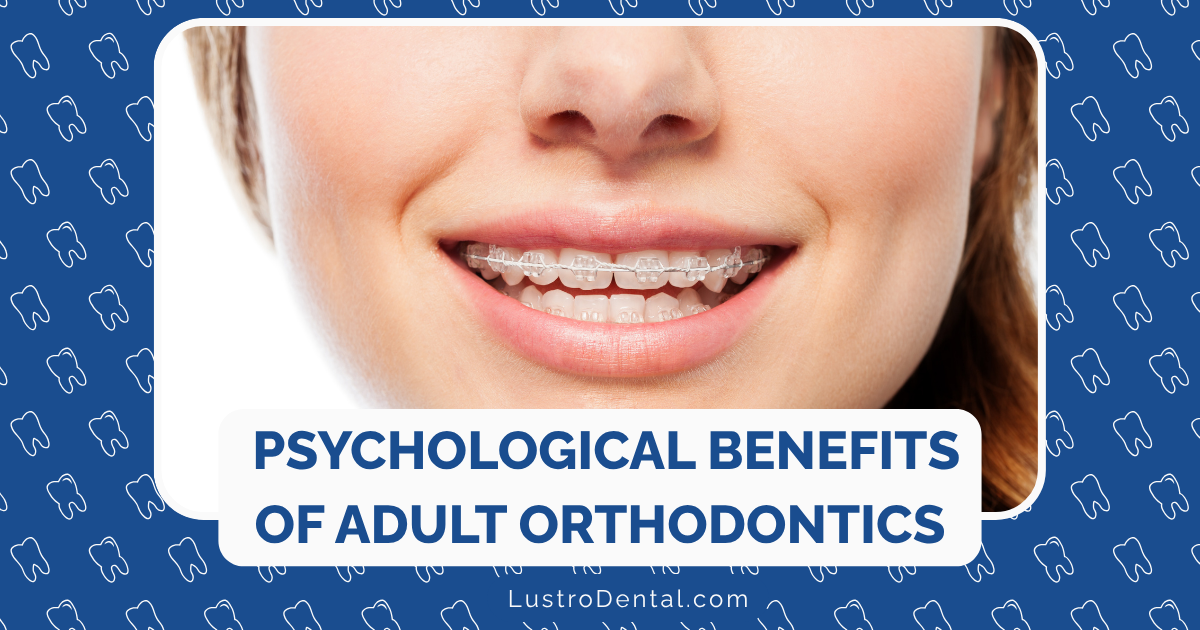
When most people think about orthodontic treatment, the first benefit that comes to mind is a straighter, more attractive smile. While aesthetic improvement is certainly a valuable outcome, the psychological benefits of adult orthodontic treatment extend far beyond mere appearance. As someone who’s worked with countless adult orthodontic patients over the years, I’ve witnessed remarkable transformations that go much deeper than what’s visible in the mirror.
In this article, we’ll explore the profound psychological impact that orthodontic treatment can have on adults, from improved self-confidence to enhanced social interactions and professional opportunities. Drawing on recent research and real-life experiences, we’ll uncover why straightening your teeth might be one of the most significant investments you can make in your overall well-being.
Before diving into specific benefits, let’s look at what the research tells us about the psychological effects of adult orthodontic treatment.
A comprehensive 2025 study published in the Angle Orthodontist found that 85% of adults reported enhanced self-image after completing orthodontic treatment. The same study showed a 40% increase in confidence during social interactions among participants who had completed treatment.
Another significant research study published in the Journal of Psychological and Behavioral Sciences involved 150 adult participants undergoing orthodontic treatment. The study measured psychological outcomes using standardized assessments including the Oral Health Impact Profile (OHIP-14) and the State-Trait Anxiety Inventory (STAI). The results were compelling:
These findings confirm what many orthodontists have observed clinically: the benefits of adult orthodontic treatment extend far beyond cosmetic improvements.
Perhaps the most profound psychological benefit of adult orthodontic treatment is the boost in self-esteem and confidence.
Many adults who seek orthodontic treatment have spent years or even decades feeling self-conscious about their smiles. They may have developed habits like covering their mouth when they laugh or smiling with closed lips in photographs. These compensatory behaviors often become so ingrained that they’re barely conscious.
After treatment, patients frequently report a liberating sense of no longer having to hide. As one 42-year-old patient shared: “I didn’t realize how much mental energy I was spending on hiding my teeth until I didn’t have to anymore. It’s like a weight has been lifted.”
A 2025 study in the Journal of Clinical Orthodontics used Rosenberg’s Self-Esteem Scale to measure changes in self-esteem before and after orthodontic treatment. The results showed that 70.6% of adult patients experienced improved self-esteem scores, with particularly notable improvements in:
The same study found that the percentage of patients satisfied with their smiles rose dramatically from just 14.7% before treatment to 97.1% after treatment completion.
Improved self-esteem often creates a positive ripple effect on overall mental health. Research has shown correlations between completed orthodontic treatment and reduced symptoms of:
As one study participant eloquently stated: “When you feel good about your smile, you feel good about yourself. And when you feel good about yourself, everything else in life seems more manageable.”
Our smiles play a crucial role in how we connect with others. Orthodontic treatment can transform social experiences in several meaningful ways.
Adults who complete orthodontic treatment often report being more willing to engage socially. According to research from the American Journal of Orthodontics and Dentofacial Orthopedics, patients noted:
One 38-year-old patient described it this way: “Before treatment, I would dread certain social events, especially networking functions for work. Now I actually look forward to meeting new people. I’m no longer distracted by worrying about my teeth when someone is talking to me.”
Beyond simply participating more, many adults find that their interpersonal communication improves after orthodontic treatment. This improvement stems from several factors:
While self-perception is important, how others perceive us also impacts our social experiences. Multiple studies have found that people with straight teeth are perceived as:
These perception differences aren’t just superficial—they can create real differences in how people are treated in social settings.
In today’s competitive professional environment, personal presentation matters. Orthodontic treatment can provide tangible career benefits beyond just looking better in work photos.
According to a study by Thomas Orthodontics, 74% of adults believe an unattractive smile can negatively affect career prospects. This belief is supported by research showing that interviewers tend to favor candidates with straight teeth, given similar qualifications.
The impact is particularly significant in:
Many adults report that orthodontic treatment enhances their confidence in professional communication scenarios such as:
This increased confidence isn’t just subjective—it translates into measurable career outcomes.
While orthodontic treatment requires an initial investment, research suggests it may actually pay for itself over time through increased earning potential.
A fascinating economic analysis by Aug Orthodontics found that individuals with straight teeth can expect:
These findings suggest that orthodontic treatment may be one of the best investments adults can make in their professional futures.
While not strictly psychological, several functional improvements from orthodontic treatment have significant effects on mental well-being.
Many adults seek orthodontic treatment due to jaw pain, headaches, or difficulty chewing—issues that can take a psychological toll over time. Correcting malocclusion (improper bite) can alleviate these problems, leading to:
Straighter teeth are easier to clean, reducing the risk of decay and gum disease. This improvement can alleviate dental anxiety in several ways:
One 45-year-old patient shared: “After straightening my teeth, I actually look forward to dental check-ups now. I used to dread them because I always expected bad news.”
Some dental misalignments can affect speech, causing lisps or other articulation issues. Correcting these problems can:
Despite the numerous benefits, many adults hesitate to pursue orthodontic treatment due to concerns about appearance during treatment, discomfort, or cost. Modern orthodontics offers solutions to address these concerns.
Today’s orthodontic options include:
These options allow adults to undergo treatment without the self-consciousness that might come with traditional metal braces.
It’s important to acknowledge that orthodontic treatment can involve some discomfort, particularly in the early stages. However, research consistently shows that the temporary discomfort is outweighed by the long-term psychological benefits.
In the Journal of Psychological and Behavioral Sciences study, participants reported initial discomfort and self-consciousness during the adaptation phase, but these feelings diminished as treatment progressed and were ultimately overshadowed by the positive outcomes.
While the cost of orthodontic treatment can seem significant upfront, viewing it as an investment in mental health, social well-being, and career potential can shift this perspective. Many orthodontists also offer payment plans that make treatment more accessible.
Statistical data is compelling, but personal stories often illustrate the psychological impact of orthodontic treatment most vividly. Here are a few real examples (with names changed for privacy):
Michael, 43, worked in sales but always felt held back by his crooked front teeth. “I was good at building relationships over the phone, but I dreaded in-person meetings,” he recalls. After completing treatment with clear aligners, Michael found himself volunteering for presentations and client meetings. Within a year after treatment, he received a promotion to sales director—a role he wouldn’t have pursued before.
Jennifer, 38, had gradually withdrawn from social activities due to embarrassment about her smile. “I declined so many invitations that eventually, people stopped asking,” she says. Six months into her orthodontic treatment, even before it was complete, Jennifer noticed herself accepting invitations again. “Even with braces, I felt better about my smile because I was doing something about it. Now that treatment is finished, I’ve rebuilt friendships I had let fade away.”
David, 52, sought orthodontic treatment after his daughter’s wedding. “Looking at those photos, all I could see were my crooked teeth. I couldn’t even appreciate this beautiful day because I was so focused on my smile.” After treatment, David describes a mental shift: “It’s not just that my teeth look better—it’s that I’m no longer consumed with negative thoughts about my appearance. That mental freedom is priceless.”
Perhaps most remarkably, the psychological benefits of adult orthodontic treatment tend to be enduring. A 5-year follow-up study found that the positive psychological effects of treatment persisted long after completion, with participants reporting:
This longevity of benefit makes orthodontic treatment different from many other confidence-boosting interventions that may have only temporary effects.
When considering adult orthodontic treatment, it’s important to adopt a whole-person perspective that looks beyond aesthetics. The research is clear: straightening your teeth can transform not just your smile, but also your self-perception, social experiences, and professional opportunities.
As one study participant beautifully summarized: “I thought I was fixing my teeth, but I ended up fixing how I felt about myself. That changed everything.”
If you’ve been considering orthodontic treatment but hesitating due to concerns about age, appearance during treatment, or whether it’s “worth it,” I encourage you to consult with an orthodontist who specializes in adult treatment. The journey may be shorter and more comfortable than you expect, and the psychological benefits may be far greater than you imagine.
Have you undergone orthodontic treatment as an adult? What psychological changes did you experience? Share your story in the comments below—your experience might inspire someone else to take this transformative step.