🦷 General Care
✨ Treatments
👶 Family Care
💚 Wellness
💡 Resources

🦷 General Care
✨ Treatments
👶 Family Care
💚 Wellness
💡 Resources

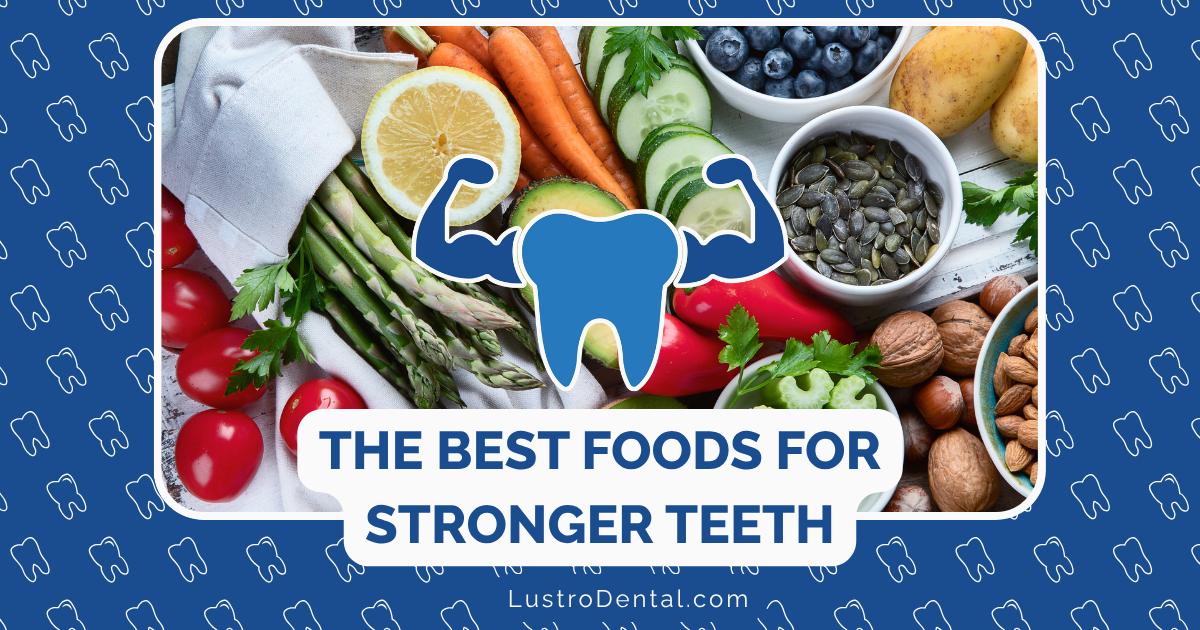
Your tooth enamel is the hardest substance in your body—even stronger than bone. This remarkable outer layer protects the sensitive inner structures of your teeth from decay, temperature extremes, and daily wear and tear. But despite its strength, enamel isn’t invincible. It can gradually wear down from acidic foods, certain medications, dry mouth conditions, and even aggressive brushing.
The good news? Your body has a natural process called remineralization that can help strengthen and repair weakened enamel. Even better, you can support this process through the foods you eat. As a dental health advocate, I’m passionate about helping people understand how nutrition can be a powerful tool for maintaining strong, healthy teeth.
Before we dive into specific foods, let’s understand what remineralization actually means. Your mouth exists in a constant state of balance between demineralization (mineral loss) and remineralization (mineral gain).
Every time you eat or drink something acidic or sugary, the pH in your mouth temporarily drops, creating an acidic environment that pulls minerals from your teeth—a process called demineralization. Your saliva naturally works to neutralize these acids and restore minerals to your teeth, but sometimes this natural process needs support.
Remineralization occurs when minerals like calcium and phosphate, along with fluoride, are redeposited onto the enamel surface. This process strengthens existing enamel and can even reverse early stages of decay.
Several key nutrients play vital roles in enamel remineralization:
Calcium is the primary mineral component of tooth enamel. According to research published in the Journal of the American Dental Association, adequate calcium intake is essential for maintaining strong teeth and supporting remineralization.
Food sources:
Phosphorus works alongside calcium to rebuild tooth enamel. About 85% of the phosphorus in your body is found in your bones and teeth.
Food sources:
Vitamin D is crucial for calcium absorption and utilization. Without adequate vitamin D, your body can’t effectively use the calcium you consume, regardless of how much calcium-rich food you eat.
Food sources:
This often-overlooked nutrient helps direct calcium to your bones and teeth rather than allowing it to deposit in soft tissues or arteries. Research in the Journal of Nutrition suggests that K2 works synergistically with vitamin D for optimal calcium utilization.
Food sources:
Magnesium helps regulate calcium and contributes to bone and tooth formation. It’s also involved in over 300 enzymatic reactions in the body.
Food sources:
While not directly involved in remineralization, vitamin C is essential for gum health. Healthy gums provide the foundation for healthy teeth and create an environment where remineralization can occur.
Food sources:
Now that we understand the key nutrients, let’s look at specific foods that pack the biggest punch for enamel strength:
Cheese is a remineralization powerhouse. It’s rich in calcium and phosphorus, and research in the General Dentistry journal found that eating cheese raises the pH in your mouth, creating an environment that favors remineralization. Cheese also stimulates saliva production, which helps wash away food particles and buffer acids.
Plain yogurt provides calcium and phosphorus while also containing beneficial probiotics. These good bacteria may help reduce harmful bacteria in your mouth, creating a healthier oral environment that supports remineralization.
Vegetables like kale, spinach, and collard greens are packed with calcium, magnesium, and vitamins. Their fibrous texture also stimulates saliva flow as you chew, supporting the natural remineralization process.
Apples, carrots, and celery have high water content and require significant chewing, which stimulates saliva production. While they don’t directly remineralize teeth, they create conditions that support the process by increasing saliva flow and helping to clean teeth surfaces.
Almonds, sesame seeds, and pumpkin seeds provide calcium, phosphorus, and magnesium—all essential for enamel strength. Their crunchy texture also stimulates saliva flow.
Fatty fish like salmon provide vitamin D, which is essential for calcium absorption, along with phosphorus and omega-3 fatty acids that may help reduce inflammation in the gums.
Homemade bone broth contains minerals that leach from the bones during cooking, including calcium, phosphorus, and magnesium—all critical for remineralization.
Tea contains compounds called polyphenols that help reduce bacteria and acid in the mouth. Research in the Journal of Dental Research suggests that regular tea consumption may help prevent enamel erosion and tooth decay.
While focusing on remineralizing foods, it’s equally important to be mindful of foods that can accelerate enamel erosion:
Sugar feeds acid-producing bacteria in your mouth, creating an environment that promotes demineralization. Limit candies, sodas, sports drinks, and sweet treats.
Citrus fruits, tomatoes, vinegar-based dressings, carbonated beverages, and wine can all erode enamel over time. Enjoy these in moderation and rinse your mouth with water afterward (but don’t brush immediately, as this can damage softened enamel).
Dried fruits, caramels, and other sticky foods cling to teeth, prolonging acid production. If you enjoy these foods, rinse thoroughly with water afterward.
White bread, crackers, and chips break down into sugars quickly and can stick to teeth, feeding acid-producing bacteria.
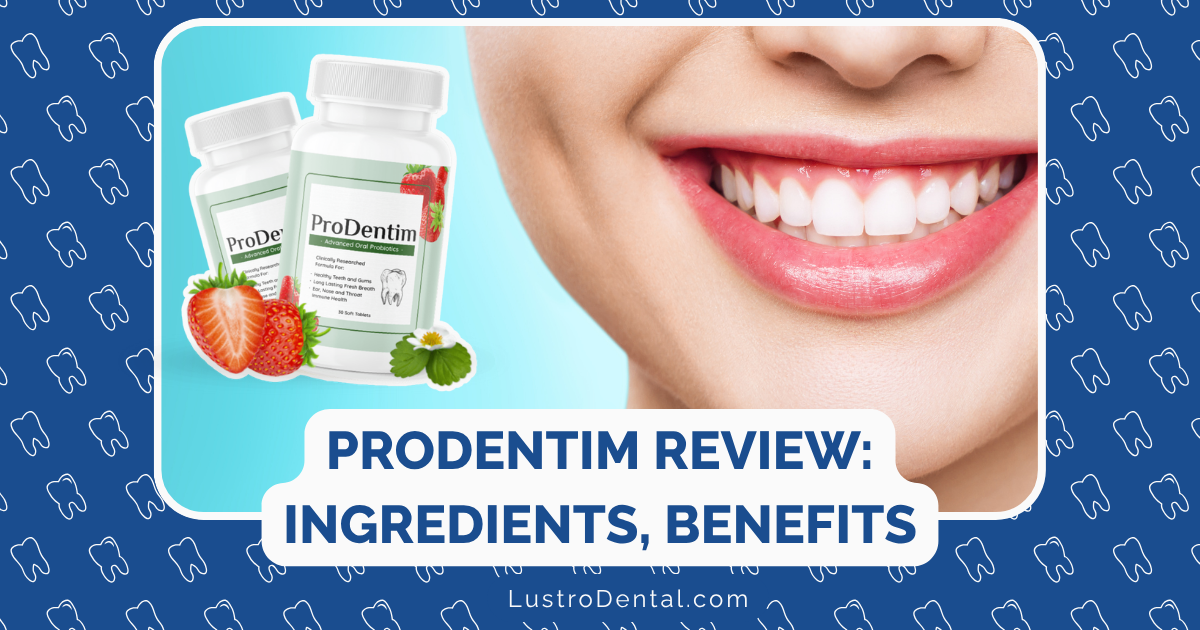
While nutrition forms the foundation of enamel strength, supplements can provide additional support. ProDentim stands out as a comprehensive oral health supplement specifically designed to support remineralization and strengthen enamel.
ProDentim combines probiotics with key minerals that work synergistically to support enamel health:
By combining these ingredients, ProDentim creates a comprehensive approach to enamel protection that works alongside your nutritional efforts.
To maximize enamel strength, consider these practical tips for incorporating remineralizing foods into your daily routine:
When you eat remineralizing foods can be almost as important as what you eat:
Sarah, a 42-year-old patient, came to me concerned about increasing tooth sensitivity and small white spots on her front teeth—early signs of enamel demineralization. As a busy professional, she often relied on acidic energy drinks and grabbed whatever was convenient for meals.
We developed a three-pronged approach:
After three months, Sarah’s sensitivity had decreased significantly, and the white spots were less noticeable. Her dentist confirmed improved enamel strength at her next check-up. “I never realized how much what I eat affects my teeth,” Sarah shared. “The combination of changing my diet and taking ProDentim has made such a difference—not just in how my teeth feel, but in how they look too.”
Your teeth are living structures that respond to the nutrients you provide. By understanding the remineralization process and making strategic food choices, you can actively support your enamel strength and overall oral health.
Remember that remineralization works best as part of a comprehensive approach:
By nourishing your smile from within, you’re investing in both the health and appearance of your teeth for years to come.
What remineralizing foods do you already include in your diet? Share your favorite enamel-strengthening recipes in the comments below!
Once enamel is severely damaged or lost, it cannot be regrown through diet alone. However, nutrition can help strengthen remaining enamel and prevent further damage. For severe enamel loss, professional dental treatments are necessary.
Remineralization is ongoing but subtle. Most people begin to notice improvements in sensitivity within 2-4 weeks of consistent dietary changes and supplementation with products like ProDentim. More significant changes may take 3-6 months.
For most people, a balanced diet provides sufficient calcium. However, if you have dietary restrictions or increased needs, a supplement may be beneficial. Products like ProDentim provide targeted support for oral health with bioavailable calcium phosphate specifically formulated for enamel remineralization.
Absolutely! Children’s developing teeth greatly benefit from remineralizing nutrients. Focus on calcium-rich foods, limit sugary snacks, and consult with a pediatric dentist about age-appropriate oral health supplements.