🦷 General Care
✨ Treatments
👶 Family Care
💚 Wellness
💡 Resources

🦷 General Care
✨ Treatments
👶 Family Care
💚 Wellness
💡 Resources

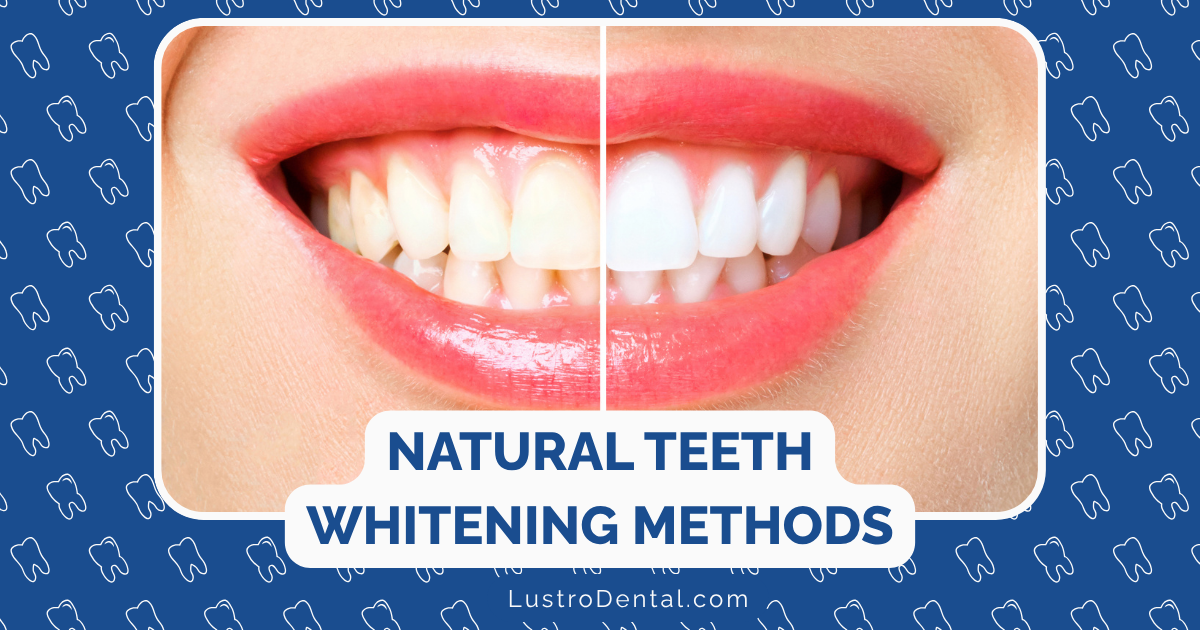
In my years of dental practice, I’ve heard it all when it comes to natural teeth whitening remedies. Patients proudly tell me about brushing with activated charcoal, swishing coconut oil, or creating homemade pastes with strawberries and baking soda. The appeal is understandable—natural methods promise a brighter smile without chemicals, often at a fraction of the cost of professional treatments.
But as someone committed to evidence-based dental care, I always ask: what does the science actually say? Which natural whitening methods have legitimate research backing their effectiveness, and which are simply perpetuating dental myths?
Let’s separate fact from fiction by examining the scientific evidence behind the most popular natural whitening methods. I’ll rate each method based on scientific support, effectiveness, and safety to help you make informed decisions about your smile.
Before diving into whitening solutions, it’s important to understand what causes teeth to discolor in the first place. This knowledge helps explain why certain methods might work—or why they don’t.
Tooth discoloration falls into three main categories:
These affect the outer layer of the tooth (enamel) and are typically caused by:
Extrinsic stains are the easiest to address and most responsive to whitening methods.
These occur within the tooth structure when:
Intrinsic stains are more challenging to treat and often less responsive to natural methods.
This combines aspects of both extrinsic and intrinsic discoloration as:
According to a 2023 review in the Journal of Dental Research, understanding the type of discoloration you have is crucial for selecting an effective whitening approach. Natural methods primarily target extrinsic stains, while intrinsic discoloration typically requires professional intervention.
Let’s examine the most commonly used natural whitening methods and what the research actually says about their effectiveness and safety.
Scientific Evidence: Moderate
Baking soda (sodium bicarbonate) is perhaps the most scientifically supported natural whitening agent. Its mechanism of action is twofold:
A 2017 systematic review published in the Journal of the American Dental Association analyzed 21 studies and found that toothpastes containing baking soda were more effective at removing plaque than non-baking soda toothpastes. Additionally, higher concentrations of baking soda showed greater whitening efficacy.
A more recent 2023 in vitro study comparing natural whitening agents found that baking soda produced statistically significant whitening effects, though less dramatic than professional systems.
Effectiveness Rating: 3/5
Baking soda can effectively remove surface stains and provide modest whitening, but results are gradual and less dramatic than professional treatments.
Safety Rating: 4/5
When used occasionally and properly (not scrubbing aggressively), baking soda is generally safe. However, the American Dental Association cautions that overuse can wear down enamel due to its abrasive properties. The recommended approach is using it no more than twice weekly, and ideally in formulations specifically designed for dental use.
Scientific Evidence: Weak
Oil pulling—swishing oil (typically coconut) in the mouth for 15-20 minutes—has roots in Ayurvedic medicine and has gained popularity as a natural whitening method.
While some studies suggest oil pulling may reduce plaque and gingivitis, the evidence specifically for whitening is sparse. A 2022 systematic review in the International Journal of Dental Hygiene found insufficient evidence to support oil pulling for teeth whitening.
The American Dental Association explicitly states: “There is no reliable scientific evidence to show that oil pulling whitens teeth.”
Effectiveness Rating: 1/5
Any whitening effect is likely due to the removal of surface plaque rather than actual changes to tooth color. Any perceived benefits are minimal and temporary.
Safety Rating: 4/5
Oil pulling is generally safe when performed correctly, though the ADA does not recommend it as a replacement for proven oral hygiene practices like brushing and flossing.
Scientific Evidence: Weak to Contradictory
Despite its tremendous popularity on social media, activated charcoal has little scientific support as a teeth whitener. Its proposed mechanism is adsorption—the binding of particles to its surface—which theoretically could remove stains.
However, a 2023 laboratory study comparing whitening methods found that while activated charcoal did produce some whitening effect, concerns about its abrasiveness outweighed potential benefits.
More concerning, a 2019 review in the British Dental Journal found insufficient scientific evidence to support the safety and efficacy of charcoal-based dentifrices, with some products potentially causing damage to teeth.
Effectiveness Rating: 2/5
Some studies show modest whitening effects, but results are inconsistent and potentially come at the cost of enamel integrity.
Safety Rating: 2/5
The abrasive nature of charcoal raises significant concerns about enamel wear, especially with repeated use. The American Dental Association states there is “no evidence that shows dental products with charcoal are safe or effective for teeth.”
Scientific Evidence: Limited but Positive
Strawberries contain malic acid, which has been suggested to have natural whitening properties. Unlike some other natural remedies, strawberries have been the subject of several scientific studies.
A 2023 in vitro study found that strawberry pulp produced a statistically significant whitening effect, though it was milder than other methods tested. The mean color change for strawberries was 38.2 ± 4.8 on the ΔE scale, which was detectable but the lowest among the tested agents.
Effectiveness Rating: 2/5
Strawberries may provide a mild whitening effect, primarily by removing surface stains rather than changing the intrinsic color of teeth.
Safety Rating: 3/5
While generally safer than highly acidic fruits like lemons, strawberries still contain acids that could potentially erode enamel with frequent use. The American Dental Association recommends rinsing with water after consuming acidic foods to minimize potential damage.
Scientific Evidence: Weak to Contradictory
Turmeric has gained popularity as a natural whitening agent, despite its intense yellow color that stains almost everything it touches. Proponents claim its anti-inflammatory properties benefit gum health while somehow whitening teeth.
A 2023 comparative study found that turmeric did not show statistically significant whitening effects compared to baseline measurements. This contradicts anecdotal claims on social media and natural health websites.
Effectiveness Rating: 1/5
Scientific evidence does not support turmeric as an effective teeth whitening agent.
Safety Rating: 3/5
While turmeric is generally safe for consumption and may have some oral health benefits due to its anti-inflammatory properties, its staining potential on other surfaces raises questions about long-term effects on dental restorations.
Scientific Evidence: Strong
While debated whether it qualifies as “natural,” diluted hydrogen peroxide is the active ingredient in many commercial whitening products and has substantial scientific backing.
A 2021 systematic review in the Journal of Dentistry concluded that hydrogen peroxide is effective for tooth whitening, with concentration and application time being key factors in results.
Effectiveness Rating: 4/5
At appropriate concentrations (typically 3% for home use), hydrogen peroxide can effectively whiten teeth by breaking down stain molecules.
Safety Rating: 3/5
The American Dental Association considers hydrogen peroxide safe when used as directed, but cautions that overuse can lead to tooth sensitivity and gum irritation. The organization recommends consulting with a dentist before using peroxide-based whitening products.
To provide context, let’s briefly compare the effectiveness of natural methods to professional options:
Effectiveness: Can lighten teeth by up to 8 shades in a single session Scientific Evidence: Extensive clinical research supporting efficacy Safety: Performed under professional supervision to minimize risks Cost: $500-$1,000 per treatment
Effectiveness: Can lighten teeth by 2-4 shades over 1-2 weeks Scientific Evidence: Strong clinical support Safety: Custom-fitted trays minimize gum exposure to whitening agents Cost: $200-$600
Effectiveness: Typically 0-2 shades of improvement with consistent use Scientific Evidence: Varies from weak to moderate depending on method Safety: Generally safe when used appropriately, though some carry risks Cost: $2-$20 for supplies
While “natural” often implies “safe,” this isn’t always the case with teeth whitening. Several natural methods carry significant risks:
The 2023 comparative study found lemon juice produced the highest color change among tested natural agents (44.0 ± 2.9). However, this comes at a severe cost to dental health.
The high acidity (pH 2-3) can cause irreversible enamel erosion, leading to:
The American Dental Association explicitly warns against using acidic fruits for whitening, stating they “can wear away your enamel, exposing the yellow tissue below called dentin.”
DIY scrubs combining abrasive ingredients like activated charcoal, baking soda, and salt can damage enamel, especially when used frequently or vigorously.
A 2021 study in the Journal of Applied Oral Science found that homemade abrasive whitening mixtures increased surface roughness of enamel, potentially leading to:
Despite popular claims, apple cider vinegar’s high acidity (pH 3-3.5) poses similar risks to citrus fruits. A 2022 laboratory study found significant enamel erosion after simulated apple cider vinegar treatments.
If you’re committed to natural approaches, here are the most scientifically supported methods:
Evidence-Based Approach: Mix a small amount with water to form a paste, use no more than twice weekly, and brush gently for no more than 30 seconds.
According to a 2023 comparative study, baking soda showed statistically significant whitening effects with less risk than more acidic options.
Evidence-Based Approach: Reduce consumption of staining foods and beverages (coffee, tea, red wine, berries) and rinse with water after consuming them.
A 2023 longitudinal study in the Journal of Dental Research found that dietary modifications alone resulted in measurable reductions in tooth discoloration over a 6-month period.
Evidence-Based Approach: Incorporate apples, celery, and carrots into your diet.
These foods have a natural cleansing effect on teeth, with a 2022 review in the International Journal of Dental Hygiene noting their ability to mechanically remove plaque and food particles that contribute to staining.
Evidence-Based Approach: Brush twice daily with a whitening toothpaste containing the ADA Seal of Acceptance, floss daily, and maintain regular dental cleanings.
The American Dental Association identifies this as the most effective “natural” approach to maintaining white teeth.
Research into natural whitening continues to evolve, with some promising developments on the horizon:
Derived from papaya, papain enzymes have shown potential for breaking down protein-based stains. A 2023 preliminary study found papain-containing formulations produced whitening effects without significant enamel damage.
This naturally occurring mineral component of teeth has shown promise in both remineralizing enamel and providing a whitening effect. A 2022 clinical trial found that nano-hydroxyapatite toothpaste produced gradual whitening while strengthening enamel.
Emerging research suggests certain probiotic strains may help prevent stain formation by altering the oral microbiome. A 2023 pilot study found that participants using a probiotic mouthwash experienced less stain accumulation over a 3-month period.
After reviewing the scientific evidence, here’s my professional advice for those interested in natural whitening:
While natural whitening methods have their place, the scientific evidence clearly shows their limitations. Many popular trends lack substantial research support, and some may actually harm your dental health in pursuit of a whiter smile.
As I tell my patients, there’s nothing wrong with incorporating evidence-based natural approaches into your oral care routine. However, it’s important to have realistic expectations about their effectiveness and to prioritize the long-term health of your teeth over quick cosmetic fixes.
Remember that the healthiest smile is one that’s properly cared for—and sometimes that means choosing evidence-based approaches over the latest natural whitening trend on social media.
Have you tried any natural whitening methods? What was your experience? Share in the comments below!