The Mindful Approach to Whiter Teeth: Effective Methods That Protect Enamel
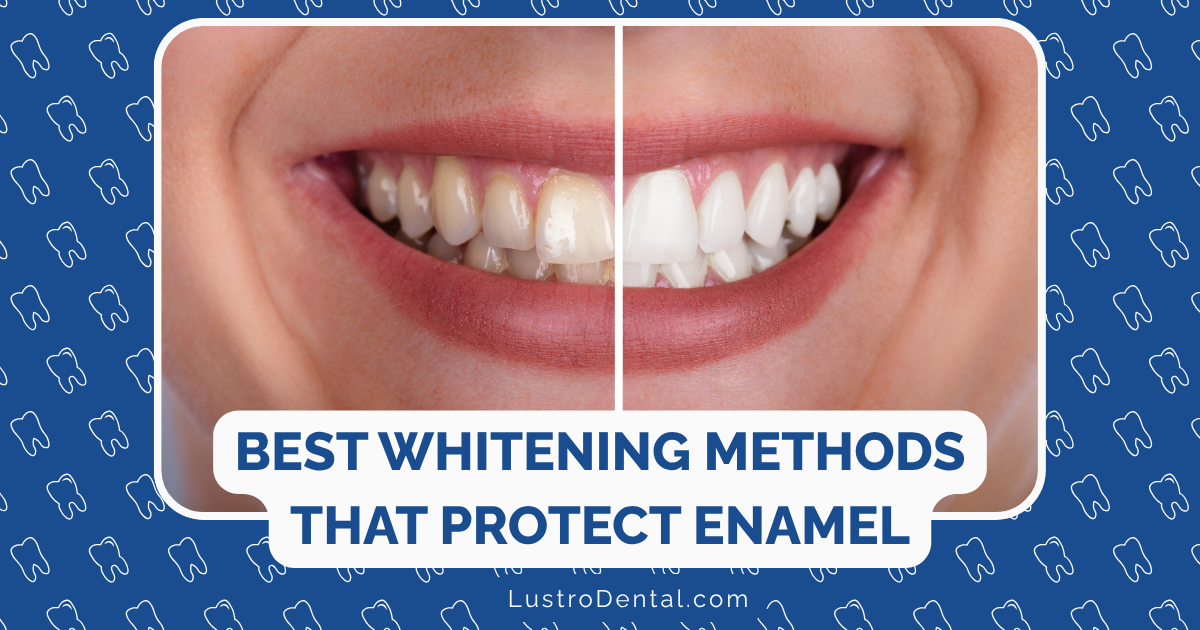
A bright, white smile can be a powerful asset—boosting confidence, creating positive first impressions, and even potentially improving professional opportunities. However, the pursuit of whiter teeth often comes with concerns about damaging the precious enamel that protects our teeth.
The good news is that you don’t have to choose between a brighter smile and healthy teeth. By taking a mindful, evidence-based approach to teeth whitening, you can achieve the results you desire while preserving and protecting your enamel.
In this comprehensive guide, we’ll explore the science of teeth whitening, evaluate various methods based on both effectiveness and enamel safety, and provide practical strategies for achieving a brighter smile without compromising your long-term dental health.
Understanding Tooth Enamel: Your Teeth’s Precious Shield
Before exploring whitening methods, it’s essential to understand what we’re trying to protect: tooth enamel.
What Is Tooth Enamel?
Enamel is the hard, outer layer of your teeth that protects the more sensitive inner structures:
Composition: Primarily hydroxyapatite (a crystalline form of calcium phosphate)
Characteristics: The hardest substance in the human body, yet still vulnerable to damage
Thickness: Varies from about 2.5mm on chewing surfaces to less than 0.5mm near the gumline
Color: Naturally translucent, allowing the yellowish dentin beneath to show through
Why Enamel Protection Matters
Understanding enamel’s unique properties helps explain why protection is crucial:
Non-regenerative: Unlike other tissues, enamel cannot repair itself once damaged
Irreplaceable: Once lost, enamel cannot be naturally restored
Protective function: Shields the sensitive dentin and pulp from temperature extremes, acids, and bacteria
Structural integrity: Provides the hard surface necessary for effective chewing
According to the American Dental Association, preserving enamel integrity should be a primary consideration when evaluating any whitening method.
How Whitening Affects Enamel
Different whitening methods interact with enamel in various ways:
Abrasive methods: Physically remove surface stains but can wear down enamel if too harsh
Chemical bleaching: Penetrates enamel to break down stain molecules within the tooth
Demineralization risk: Some methods temporarily reduce mineral content, weakening enamel
Sensitivity issues: Enamel thinning or microscopic openings can expose dentin, causing pain
Research published in the Journal of Dentistry shows that while most whitening methods are safe when used as directed, inappropriate use or overuse can lead to enamel damage, making a mindful approach essential.
The Science Behind Teeth Staining
Understanding how teeth become stained helps identify the most appropriate and enamel-friendly whitening approaches.
Types of Tooth Discoloration
Dental professionals classify teeth discoloration into three main categories:
1. Extrinsic Stains
Location: On the outer surface of teeth
Cause: Contact with pigmented foods, beverages, and tobacco
Appearance: Generally yellow or brown discoloration
Response to whitening: Most responsive to surface cleaning and mild whitening methods
2. Intrinsic Stains
Location: Within the tooth structure (dentin)
Cause: Medications, excessive fluoride exposure during tooth development, trauma
Appearance: Often gray, blue, or brown discoloration
Response to whitening: More difficult to address, usually requires stronger methods
3. Age-Related Discoloration
Cause: Combination of extrinsic and intrinsic factors, plus natural thinning of enamel revealing more dentin
Appearance: Generally yellow discoloration
Response to whitening: Varies depending on contributing factors
Common Causes of Tooth Staining
Several factors contribute to tooth discoloration:
Food and Beverages
Chromogens: Intensely colored molecules that attach to enamel
Primary culprits: Coffee, tea, red wine, cola, berries
Mechanism: Pigments adhere to the protein film (pellicle) on teeth
Tobacco Use
Contains tar and nicotine: Both are highly staining substances
Mechanism: Creates stubborn yellow to brown discoloration
Penetration: Can work into microscopic pits in enamel over time
Medications
Tetracycline antibiotics: Cause gray-brown discoloration when taken during tooth development
Antihistamines, antipsychotics, and antihypertensives: Can affect tooth color
Chemotherapy and head/neck radiation: May alter tooth color
Poor Oral Hygiene
Plaque buildup: Creates a rough surface that more easily traps stains
Tartar formation: Develops a yellowish or brownish appearance
Bacterial byproducts: Can create discoloration
Understanding the specific type and cause of your tooth discoloration helps determine which whitening approach will be most effective while minimizing risks to enamel.
Evaluating Whitening Methods: Effectiveness vs. Enamel Safety
Not all whitening methods are created equal when it comes to balancing results with enamel protection.
The Whitening Spectrum: From Gentle to Aggressive
Whitening methods exist on a spectrum from very gentle (with minimal enamel impact) to more aggressive (with greater potential for enamel effects):
Gentlest Methods (Minimal Enamel Impact)
Dietary adjustments and stain prevention
Proper brushing with regular (non-whitening) toothpaste
Oil pulling and some natural approaches
Moderate Methods (Some Enamel Interaction)
Whitening toothpastes with gentle abrasives or enzymes
Over-the-counter whitening strips with lower peroxide concentrations
Take-home trays with mild whitening gel
Stronger Methods (Greater Enamel Interaction)
High-concentration whitening strips
At-home LED whitening kits
Professional take-home trays with stronger whitening agents
Strongest Methods (Maximum Enamel Interaction)
In-office professional whitening with high-concentration peroxide
Laser-activated whitening treatments
The American Academy of Cosmetic Dentistry recommends selecting the gentlest effective method for your specific type of discoloration to minimize potential enamel effects.
Key Factors in Enamel Safety
When evaluating any whitening method, consider these factors that influence enamel safety:
pH Level
Acidic products (pH below 5.5): Can soften enamel temporarily
Neutral products (pH around 7): Generally safer for enamel
Impact: Lower pH increases risk of demineralization
Abrasivity
Measured by RDA (Relative Dentin Abrasivity): Higher numbers indicate more abrasive products
Safe range: The ADA considers products with RDA below 250 to be safe
Gentlest options: Products with RDA below 70
Peroxide Concentration
Higher concentrations: Provide faster results but greater potential for sensitivity and enamel effects
Lower concentrations: Gentler on enamel but require longer treatment time
Professional supervision: Becomes increasingly important as concentration increases
Application Method and Duration
Contact time: Longer continuous exposure increases both effectiveness and potential risks
Application precision: Products that contact only teeth (not gums) reduce collateral tissue effects
Frequency: More frequent applications increase cumulative effects on enamel
Research published in the Journal of the American Dental Association suggests that these factors often matter more than the specific whitening ingredient when it comes to enamel safety.
Professional Whitening: Safe Options Under Dental Supervision
Professional whitening performed by dental professionals offers the most controlled approach to balancing results with enamel protection.
According to research in the Journal of Evidence-Based Dental Practice, professional in-office whitening can be very safe for enamel when performed properly, with dentists taking precautions based on individual patient needs.
Dentist-Dispensed Take-Home Kits
How It Works
Custom-fitted trays created from impressions of your teeth
Professional-strength whitening gel (typically 10-22% carbamide peroxide)
Worn for specified periods (30 minutes to overnight) for 1-2 weeks
Enamel Safety Considerations
Custom fit: Reduces gel contact with gums and ensures even application
Professional guidance: Dentist monitors progress and addresses any enamel concerns
Appropriate strength: Concentration selected based on individual needs and enamel condition
Controlled duration: Clear instructions on treatment time to prevent overuse
Best For
Most types of discoloration
Patients who prefer gradual whitening
Those with some enamel concerns who still want significant results
People who want professional oversight with at-home convenience
Many dental professionals consider custom take-home trays the ideal balance of effectiveness and enamel safety, particularly for patients with average staining and normal enamel thickness.
At-Home Whitening: Balancing Results and Protection
For those seeking more affordable options, many at-home whitening products can provide good results while still protecting enamel when used properly.
Whitening Strips
How They Work
Thin, flexible plastic strips coated with hydrogen peroxide gel
Conform to the teeth and hold the whitening agent in place
Typically used for 30 minutes daily for 1-3 weeks
Usually contain 5-14% hydrogen peroxide
Enamel Safety Profile
Moderate safety: Generally safe when used as directed
Concerns: Potential for uneven application, difficulty keeping away from gums
Key factor: Concentration and pH level vary significantly between brands
Protection strategies: Following directions precisely, not exceeding recommended treatment time
A study in the Journal of the American Dental Association found that whitening strips with 10% hydrogen peroxide used as directed showed minimal effects on healthy enamel while providing noticeable whitening.
Whitening Toothpastes
How They Work
Through two primary mechanisms:
Chemical action: Mild peroxides or enzymes to break down stains
Mechanical action: Abrasives to polish away surface stains
Enamel Safety Profile
Variable safety: Depends heavily on abrasivity level (RDA)
Gentlest options: Enzyme-based or low-abrasion formulas
Concerns: Highly abrasive formulas can wear enamel with long-term use
Protection strategies: Using only occasionally (2-3 times weekly) or choosing low-abrasion formulas
Look for toothpastes with the American Dental Association Seal of Acceptance, which have been tested for both safety and effectiveness.
LED Whitening Kits
How They Work
Combine whitening gel with LED light devices
Light claimed to accelerate the whitening process
Typically used for 10-30 minutes daily for 1-2 weeks
Enamel Safety Profile
Moderate safety: Depends on the gel composition and concentration
Concerns: Potential for overuse, variable quality between brands
Key factor: Higher-quality kits include remineralizing ingredients
Protection strategies: Following directions precisely, using included desensitizing treatments
Research in the Journal of Dentistry suggests that while LED lights may not significantly enhance whitening, the overall process can be safe for enamel when the gel formulation is appropriate and used as directed.
Whitening Pens and Gels
How They Work
Deliver peroxide gel directly to tooth surfaces
Allow for targeted application to specific stained areas
Typically contain 5-15% hydrogen peroxide
Usually applied daily for 1-2 weeks
Enamel Safety Profile
Moderate safety: Generally safe with proper use
Concerns: Potential for inconsistent application, accidental overuse
Key factor: Precision of application affects both results and safety
Protection strategies: Carefully following application instructions, avoiding gum contact
These products offer a good balance of convenience and enamel safety when used correctly, though results may be less dramatic than more intensive methods.
Natural Approaches: Gentle Methods That Work
For those seeking the gentlest possible approaches to whitening, several natural methods offer modest results with minimal enamel impact.
Oil Pulling
The Method
Swishing oil (typically coconut) in the mouth for 15-20 minutes
Traditional Ayurvedic practice claimed to draw out toxins and stains
Typically done daily before brushing
Enamel Safety and Effectiveness
Enamel safety: Very high (no direct chemical or abrasive action on enamel)
Effectiveness: Modest; may help reduce surface stains over time
Scientific evidence: Limited but promising for oral health benefits
Best for: Maintaining whiteness or gradually reducing mild surface stains
Research published in the Journal of Ayurveda and Integrative Medicine suggests oil pulling may have beneficial effects on oral hygiene and potentially on stain removal, though dramatic whitening results shouldn’t be expected.
Baking Soda
The Method
Brushing with a paste made from baking soda and water
Sometimes combined with hydrogen peroxide for enhanced effect
Typically used a few times per week
Enamel Safety and Effectiveness
Enamel safety: Moderate (mildly abrasive but generally safe)
Effectiveness: Good for surface stains; limited effect on deeper discoloration
Scientific evidence: Well-established mild abrasive and alkalizing properties
Best for: Removing surface stains, especially those from acidic foods and drinks
A study in the Journal of the American Dental Association found that baking soda dentifrices are among the least abrasive to enamel while still effective at removing extrinsic stains, making them a good choice for gentle whitening.
Activated Charcoal
The Method
Brushing with activated charcoal powder or charcoal-containing toothpaste
Claimed to absorb stains and toxins from tooth surfaces
Typically used occasionally rather than daily
Enamel Safety and Effectiveness
Enamel safety: Variable (depends on particle size and hardness)
Effectiveness: May remove some surface stains
Scientific evidence: Limited; some concerns about abrasivity
Best for: Occasional use for surface stains in those with healthy enamel
The American Dental Association has expressed concerns about potential abrasivity of some charcoal products. If using this method, look for products specifically formulated to be gentle on enamel, and use infrequently.
Fruits and Vegetables
The Method
Rubbing strawberries, apple slices, or other fruits directly on teeth
Consuming crunchy fruits and vegetables that have a natural cleaning effect
Some advocate mixing strawberries with baking soda
Enamel Safety and Effectiveness
Enamel safety: Variable (some fruits are acidic and may affect enamel)
Effectiveness: Mild; primarily works through mechanical cleaning
Scientific evidence: Limited for direct whitening effects
Best for: Maintaining whiteness through regular consumption rather than direct application
Research in the International Journal of Dental Hygiene suggests that while crunchy fruits and vegetables can help clean teeth surfaces, direct application of acidic fruits may risk enamel erosion, so caution is advised.
The Oral Microbiome Connection: A New Perspective on Whitening
Recent scientific advances have revealed an often-overlooked factor in tooth color and whitening: the oral microbiome—the community of microorganisms living in your mouth.
How Bacteria Affect Tooth Color
Certain bacteria in the mouth can influence tooth appearance:
Chromogenic bacteria: Some species produce pigments that can stain teeth
Biofilm composition: The mix of bacteria in plaque affects how stains adhere to teeth
Acid production: Certain bacteria create acids that can make enamel more porous and susceptible to staining
Calculus formation: Bacterial communities contribute to tartar buildup, which has a yellowish appearance
Research published in the Journal of Applied Oral Science demonstrates that the composition of your oral microbiome can significantly impact how quickly your teeth accumulate stains and how they respond to whitening treatments.
The Problem with Traditional Approaches
Many whitening products take a “scorched earth” approach:
Harsh chemicals disrupt the balance of the oral microbiome
Beneficial bacteria are eliminated along with harmful ones
This imbalance can lead to increased sensitivity and vulnerability to restaining
Some antimicrobial ingredients in whitening products may actually promote resistant strains of bacteria
Balancing the Oral Microbiome for Whiter Teeth
A more holistic approach to whitening includes supporting a healthy oral microbiome:
ProDentim: Oral Probiotics for Whitening Support
ProDentim represents an innovative approach to teeth whitening through oral microbiome support. Each tablet contains 3.5 billion CFUs (colony-forming units) of beneficial bacteria specifically selected for oral health:
Lactobacillus paracasei: Helps inhibit the growth of stain-causing bacteria
Lactobacillus reuteri: Produces antimicrobial compounds that target harmful bacteria while supporting overall oral health
Bifidobacterium lactis BL-04: Helps maintain a balanced oral microbiome
The formula also includes ingredients that support whitening through other mechanisms:
Inulin: A prebiotic that feeds beneficial bacteria
Malic acid: Gently helps remove surface stains
Tricalcium phosphate: Supports remineralization for stronger, healthier enamel
Many users report that incorporating ProDentim into their oral care routine not only supports general oral health but also helps maintain whiteness after other whitening treatments by creating an environment less conducive to staining.
Benefits of a Microbiome-Focused Approach
Sustainable results: Addresses a root cause of discoloration rather than just the symptoms
Reduced sensitivity: Supports overall oral health rather than just targeting stains
Complementary effects: Works alongside traditional whitening methods for enhanced results
Research in the Journal of Clinical Dentistry suggests that certain probiotic strains can reduce the formation of biofilms that contribute to staining, offering a promising complementary approach to traditional whitening methods.
Lifestyle Factors: Prevention and Maintenance
A mindful approach to whitening includes preventing new stains and maintaining results, which is gentler on enamel than repeated whitening treatments.
Acidic foods and drinks: Citrus, sports drinks, wine (weaken enamel temporarily, making it more susceptible to staining)
Stain-Fighting Foods to Enjoy
Crunchy fruits and vegetables: Apples, celery, carrots (natural cleaning action)
Dairy products: Cheese, milk, yogurt (contain calcium and phosphates that strengthen enamel)
Water: Rinses away food particles and acids
Green vegetables: Spinach, broccoli (create a protective film on teeth)
According to the Academy of Nutrition and Dietetics, these dietary choices not only help maintain whiter teeth but also support overall oral health.
Smart Consumption Strategies
How you consume potentially staining items matters almost as much as what you consume:
Use straws for dark or acidic beverages to minimize contact with teeth
Limit snacking to reduce the frequency of acid attacks on enamel
Rinse with water after consuming staining foods or drinks
Pair acidic foods with neutralizing foods like cheese or nuts
Avoid brushing immediately after acidic foods (wait 30-60 minutes)
These simple habits can significantly reduce staining while protecting enamel integrity.
Oral Hygiene Best Practices
Effective daily care is the foundation of both whiter teeth and enamel protection:
Brushing technique: Gentle, circular motions with soft bristles (hard brushing can wear enamel)
Timing: Brush morning and night, but wait 30-60 minutes after acidic foods
Flossing: Daily to remove stain-causing particles between teeth
Tongue cleaning: Reduces bacteria that can contribute to discoloration
Regular dental cleanings: Professional removal of stains and tartar
The American Dental Association emphasizes that consistent, proper technique is more important than forceful brushing for both cleanliness and enamel protection.
Habits to Avoid
Certain habits significantly increase staining and enamel damage:
Tobacco use: Causes stubborn yellow to brown stains
Excessive alcohol: Can dry the mouth and increase staining
Grinding or clenching: Wears down enamel, revealing more of the yellowish dentin beneath
Using teeth as tools: Opening packages, biting nails, etc. can crack enamel and expose dentin
Addressing these habits not only helps maintain whiter teeth but also preserves enamel for better long-term oral health.
Special Considerations: Sensitivity, Restorations, and More
Certain factors may affect your whitening approach and require special attention to protect enamel.
Tooth Sensitivity
For those with sensitive teeth:
Understanding the Cause
Whitening opens dentinal tubules temporarily
Exposed dentin leads to heightened nerve responses
Pre-existing sensitivity may be exacerbated
Sensitivity-Friendly Approaches
Lower concentration products: Start with lower peroxide percentages
Desensitizing products: Use potassium nitrate or fluoride before and after whitening
Gradual approach: Extend treatment time with more days between applications
ProDentim support: Many users report that ProDentim helps reduce sensitivity when used regularly before and during whitening treatments
Research in the Journal of the American Dental Association shows that incorporating desensitizing agents and taking a gradual approach can significantly reduce whitening-related sensitivity while still achieving good results.
Dental Restorations
Whitening products affect only natural tooth structure, not dental work:
Impact on Various Restorations
Composite fillings: Will not whiten; may need replacement after whitening natural teeth
Porcelain veneers and crowns: Resistant to both staining and whitening
Bonding materials: May degrade slightly with high-concentration peroxides
Strategic Approaches
Whiten before replacing restorations if planning both
Consider professional consultation for a comprehensive plan
Manage expectations about contrast between restorations and natural teeth
Age affects both whitening results and appropriate methods:
Teens: Should proceed with caution; developing teeth may be more sensitive
Adults: Generally good candidates for most whitening options
Seniors: May need lower concentrations due to enamel thinning with age
Dental professionals often recommend more conservative approaches for very young and older patients to protect potentially vulnerable enamel.
Pregnancy and Nursing
Safety concerns for expectant or nursing mothers:
Limited research on effects of whitening agents during pregnancy
Most dental professionals recommend postponing elective whitening
Natural methods and microbiome support (like ProDentim) may be safer alternatives during this time
The American Dental Association suggests consulting with both dental and prenatal care providers before pursuing any whitening treatment during pregnancy.
Creating Your Personalized Whitening Plan
With so many options available, developing a personalized approach ensures the best results with minimal risks to enamel.
Assessing Your Starting Point
Consider these factors when planning your whitening journey:
Current Tooth Color and Condition
Shade: Darker teeth may require more intensive treatments
Type of discoloration: Intrinsic vs. extrinsic staining
Existing dental work: Presence of crowns, veneers, or fillings
Enamel health: Thin or demineralized enamel requires gentler approaches
Personal Risk Factors
Sensitivity history: Previous reactions to cold or sweet stimuli
Gum health: Presence of gingivitis or recession
Medical conditions: Certain conditions may contraindicate some treatments
Medications: Some medications increase sensitivity or dry mouth
Lifestyle Considerations
Diet: Regular consumption of staining foods and beverages
Habits: Smoking or tobacco use
Compliance: Realistic assessment of your ability to follow treatment protocols
Budget: Financial considerations for various options
Building Your Whitening Strategy
A comprehensive whitening plan might include:
1. Preparation Phase (1-2 Weeks)
Professional cleaning to remove surface stains and tartar
Addressing any active decay or gum issues
Beginning ProDentim to support oral microbiome health
Using desensitizing products if you have sensitivity concerns
2. Active Whitening Phase (1-4 Weeks)
Implementing your chosen whitening method:
Professional treatment
At-home trays
Over-the-counter products
Continuing ProDentim to support oral health during whitening
Following strict dietary guidelines to avoid staining
Monitoring for sensitivity or irritation
3. Maintenance Phase (Ongoing)
Periodic touch-up treatments as needed
Consistent oral hygiene routine
Daily ProDentim to maintain oral microbiome balance
Strategic use of whitening toothpaste (2-3 times weekly)
Regular dental check-ups and professional cleanings
Sample Protocols for Different Needs
For Mild Staining with Healthy Enamel
Preparation: Regular dental cleaning, begin ProDentim
Whitening: Over-the-counter strips (10-14 days) or whitening toothpaste (4 weeks)
By tailoring your approach to your specific needs and enamel condition, you can achieve optimal whitening results while minimizing risks to your dental health.
Conclusion: Mindful Whitening for Lasting Smiles
The pursuit of whiter teeth doesn’t have to come at the expense of enamel health. By taking a mindful, evidence-based approach to teeth whitening, you can achieve the aesthetic results you desire while preserving the precious enamel that protects your teeth.
The key insights from this exploration of enamel-safe whitening include:
Understanding your specific staining helps identify the most appropriate and gentle effective approach
Starting with the least invasive method that can address your particular discoloration preserves enamel integrity
Supporting your oral microbiome with products like ProDentim creates an environment that naturally resists staining
Combining prevention, active whitening, and maintenance provides more sustainable results than intensive whitening alone
Professional guidance ensures your whitening approach is appropriate for your unique enamel condition
By implementing these mindful whitening principles, you can enjoy a brighter smile not just temporarily, but for years to come—with healthy, protected enamel that continues to shield your teeth from sensitivity and decay.
Remember that true dental beauty encompasses both aesthetics and health. The most radiant smile is one built on a foundation of strong enamel and overall oral wellness, achieved through thoughtful, enamel-respectful whitening practices.
Have you tried enamel-safe whitening methods? Share your experience in the comments below!
Frequently Asked Questions
What teeth whitening is safest for enamel?
The safest whitening methods for enamel include:
Professional treatments with dental supervision and enamel-protective protocols
Custom-fitted trays from your dentist with appropriate-strength gel
Lower-concentration over-the-counter products used strictly as directed
Gentle whitening toothpastes with low abrasivity (RDA below 70)
Natural approaches like oil pulling or dietary adjustments
The key factors affecting safety are concentration, pH level, application method, and treatment duration. Professional supervision provides the highest level of safety, as dentists can assess your specific enamel condition and recommend appropriate treatments.
Is there a way to whiten teeth without damaging enamel?
Yes, several approaches can whiten teeth with minimal to no enamel impact:
Microbiome support with products like ProDentim to create an environment less conducive to staining
Proper brushing and flossing to remove surface stains before they set
Dietary adjustments to reduce consumption of staining foods and beverages
Oil pulling as a gentle method to reduce some surface stains
Professional cleaning to remove external stains without affecting enamel structure
These approaches may provide more gradual results than stronger methods but offer excellent enamel safety. For many people, combining several gentle methods provides satisfactory whitening without compromising enamel integrity.
What is the safest method of whitening teeth?
The safest overall method depends on your specific situation, but generally includes:
Professional assessment to evaluate your enamel condition and stain type
Starting with the gentlest effective approach for your particular staining
Incorporating enamel-strengthening products before, during, and after whitening
Supporting oral microbiome health with ProDentim to maintain results
Following directions precisely regarding application time and frequency
Research published in the Journal of Evidence-Based Dental Practice suggests that dentist-supervised whitening provides the optimal balance of safety and effectiveness for most people.
How can I whiten my teeth while protecting enamel?
To achieve whitening while maximizing enamel protection:
Use remineralizing products before and after whitening treatments
Choose pH-neutral whitening products when possible
Incorporate ProDentim to support oral health during whitening
Allow adequate time between treatments for enamel to remineralize
Stay well-hydrated to maintain saliva flow, which helps protect enamel
Consider combination approaches using multiple gentle methods rather than one intensive method
These strategies help support enamel integrity throughout the whitening process, reducing the risk of sensitivity and long-term damage.
Does teeth whitening permanently damage enamel?
When used properly, most whitening methods do not cause permanent enamel damage. However:
Temporary effects like increased porosity and mineral loss can occur during whitening
Overuse or misuse of whitening products can potentially lead to lasting enamel effects
Individual factors like initial enamel thickness and health significantly affect outcomes
Recovery time between treatments allows enamel to remineralize and restore its structure
According to research in the Journal of Dentistry, following product directions and allowing adequate time between whitening treatments minimizes the risk of permanent enamel effects for most people.