🦷 General Care
✨ Treatments
👶 Family Care
💚 Wellness
💡 Resources

🦷 General Care
✨ Treatments
👶 Family Care
💚 Wellness
💡 Resources

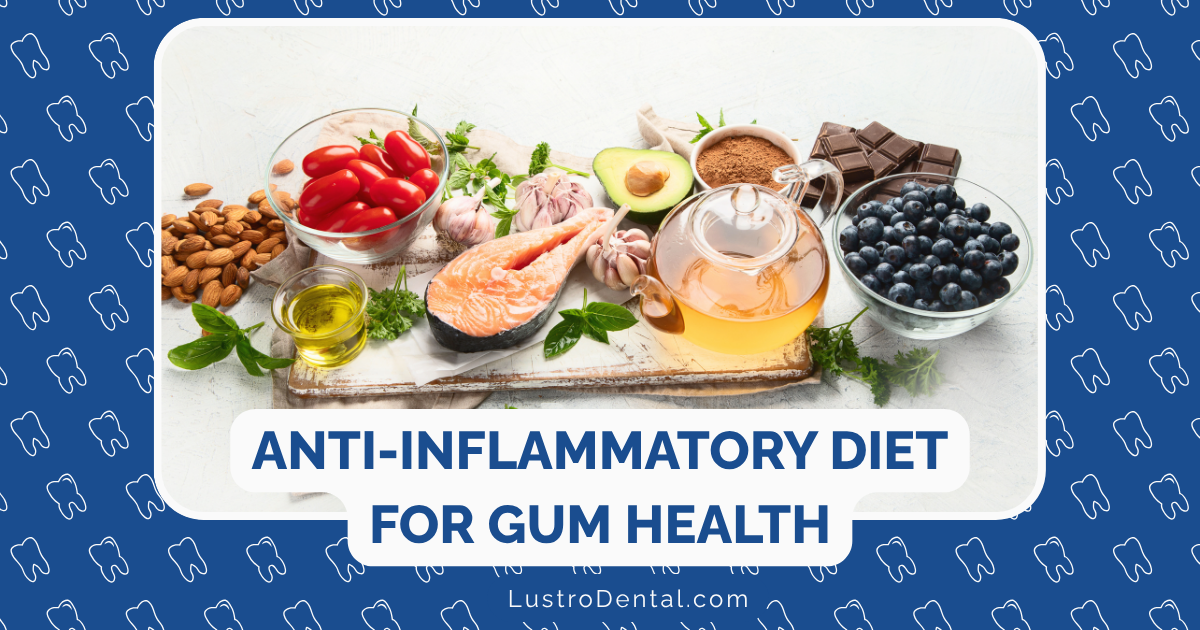
When it comes to fighting gum disease, your toothbrush and dental floss aren’t your only allies. The foods you eat play a crucial role in either promoting or reducing inflammation throughout your body—including your gums. As a dental health advocate, I’ve seen remarkable improvements in patients who complement their oral hygiene routines with anti-inflammatory eating habits.
In this comprehensive guide, I’ll share how specific foods can help combat periodontal disease, provide a practical 7-day meal plan, and offer delicious recipes that support gum health. The best part? These foods don’t just benefit your mouth—they promote overall wellness too.
Before diving into meal plans and recipes, let’s understand why an anti-inflammatory approach works for gum health.
Periodontal disease begins with bacterial growth in your mouth, but it’s your body’s inflammatory response to these bacteria that causes the real damage. When inflammation persists, it breaks down the tissues and bone that support your teeth, potentially leading to tooth loss.
Research published in the Journal of Clinical Periodontology confirms that dietary patterns significantly impact gum inflammation. By choosing anti-inflammatory foods, you can help:
These specific nutrients have been shown to benefit periodontal health:
These powerful anti-inflammatory compounds help reduce gum inflammation. A study in the Journal of Dental Research found that people with higher omega-3 intake had a 30% lower prevalence of periodontal disease.
Sources: Fatty fish (salmon, mackerel, sardines), flaxseeds, chia seeds, walnuts
Antioxidants combat oxidative stress, which contributes to tissue damage in periodontal disease. Vitamin C, in particular, is essential for collagen production, which helps maintain the integrity of your gums.
Sources: Colorful fruits and vegetables, especially berries, citrus, bell peppers, carrots, and leafy greens
These nutrients support bone health, including the alveolar bone that holds your teeth in place. Research in the American Journal of Clinical Nutrition suggests that higher vitamin D levels are associated with better periodontal health.
Sources: Fatty fish, fortified dairy or plant milks, eggs, leafy greens
Beneficial bacteria can help restore a healthy balance in your oral microbiome, potentially crowding out harmful bacteria that contribute to gum disease.
Sources: Yogurt, kefir, sauerkraut, kimchi, kombucha
These plant compounds have antimicrobial and anti-inflammatory properties that can help protect against gum disease.
Sources: Green tea, berries, dark chocolate, red wine (in moderation)
Based on the nutrients above, here are the top foods to include in your anti-inflammatory diet for gum health:
Just as some foods fight inflammation, others can promote it:
Here’s a practical week-long meal plan designed to reduce inflammation and support periodontal health:
Breakfast: Greek yogurt with berries, walnuts, and a drizzle of honey
Lunch: Salmon salad with mixed greens, avocado, and olive oil vinaigrette
Dinner: Turmeric-ginger chicken with roasted sweet potatoes and steamed broccoli
Snack: Apple slices with almond butter
Breakfast: Smoothie with spinach, blueberries, banana, flaxseeds, and unsweetened almond milk
Lunch: Lentil soup with leafy greens and whole grain bread
Dinner: Baked cod with quinoa and roasted vegetables
Snack: Small handful of mixed nuts and seeds
Breakfast: Overnight chia pudding with berries and unsweetened coconut flakes
Lunch: Turkey and avocado wrap with leafy greens (use lettuce leaves instead of tortilla for lower carb option)
Dinner: Grass-fed beef stir-fry with plenty of colorful vegetables and shiitake mushrooms
Snack: Celery sticks with hummus
Breakfast: Vegetable omelette with sautéed spinach, tomatoes, and a sprinkle of turmeric
Lunch: Mediterranean chickpea salad with feta, cucumbers, tomatoes, and olive oil
Dinner: Grilled wild salmon with asparagus and cauliflower rice
Snack: Green tea and a small square of dark chocolate (70%+ cacao)
Breakfast: Steel-cut oatmeal with cinnamon, chopped apple, and walnuts
Lunch: Bone broth-based vegetable soup with chicken
Dinner: Stuffed bell peppers with ground turkey, quinoa, and tomato sauce
Snack: Carrot sticks with Greek yogurt dip
Breakfast: Avocado toast on whole grain bread with a poached egg
Lunch: Large salad with mixed greens, grilled chicken, berries, and olive oil dressing
Dinner: Slow-cooked lentil and vegetable stew with herbs
Snack: Kefir with a small handful of berries
Breakfast: Anti-inflammatory smoothie bowl with spinach, berries, avocado, and chia seeds
Lunch: Sardines on whole grain crackers with a side of sliced vegetables
Dinner: Baked wild-caught fish with roasted Brussels sprouts and sweet potato
Snack: Sliced bell peppers with guacamole
Here are detailed recipes that incorporate the key nutrients for fighting gum disease:
This soup is packed with anti-inflammatory compounds that can help reduce gum inflammation.
Ingredients:
Instructions:
These patties provide a powerful dose of omega-3 fatty acids, essential for reducing gum inflammation.
Ingredients:
Instructions:
This smoothie is loaded with vitamin C and antioxidants to support gum tissue health.
Ingredients:
Instructions:
This dish combines lean protein with anti-inflammatory vegetables and spices.
Ingredients:
Instructions:
This breakfast provides beneficial bacteria to help balance your oral microbiome.
Ingredients:
Instructions:
Inflammation doesn’t resolve overnight. Consistency with your anti-inflammatory eating pattern is key to seeing results in your gum health.
Even the best diet can’t replace proper brushing, flossing, and regular dental check-ups. Think of anti-inflammatory eating as a powerful complement to good oral hygiene.
Drinking plenty of water helps maintain saliva production, which naturally cleanses the mouth and contains proteins that help control oral bacteria.
If you have active gum inflammation, you may find that softer foods are more comfortable. Many anti-inflammatory foods can be prepared in ways that are gentle on sensitive gums.
Keep a journal of your symptoms and any changes you notice in your gum health. This can help you identify which dietary changes are most beneficial for you.
One of my patients, Michael, a 45-year-old with moderate periodontal disease, was skeptical when I suggested dietary changes alongside his scaling and root planing treatment. His gums bled easily, and he had several deep pockets between his teeth and gums.
Michael agreed to try an anti-inflammatory eating approach for three months. He particularly enjoyed the salmon recipes and began starting each day with a berry-green smoothie. He also cut back significantly on processed foods and sugary snacks.
At his three-month follow-up, not only had his gum bleeding decreased dramatically, but his periodontal pockets had begun to shrink. “I never thought what I ate could make such a difference in my mouth,” he told me. “And I’m sleeping better and have more energy too!”
Your fork can be a powerful tool in your fight against gum disease. By embracing an anti-inflammatory diet rich in omega-3 fatty acids, antioxidants, and nutrients that support tissue healing, you’re not just protecting your gums—you’re enhancing your overall health.
Remember that dietary changes work best alongside proper dental care, including regular professional cleanings and excellent home oral hygiene. The combination of good nutrition and proper dental care provides a comprehensive approach to managing and potentially reversing gum disease.
Have you noticed improvements in your oral health after changing your diet? Share your experience in the comments below!
Most people begin to notice reduced bleeding and inflammation within 2-4 weeks of consistently following an anti-inflammatory diet. However, more significant improvements in periodontal measurements may take 3-6 months.
While nutrition plays a vital role in gum health, it’s most effective when combined with proper dental care. Advanced periodontal disease typically requires professional treatment like scaling and root planing, possibly alongside dietary changes.
Some research suggests benefits from omega-3, vitamin D, and CoQ10 supplements for periodontal health. However, it’s best to consult with your healthcare provider before starting any supplement regimen.
The anti-inflammatory diet is highly adaptable. Vegetarians can focus on plant sources of omega-3s like flaxseeds and walnuts. Those with food allergies can substitute problematic foods with other anti-inflammatory options in the same category.